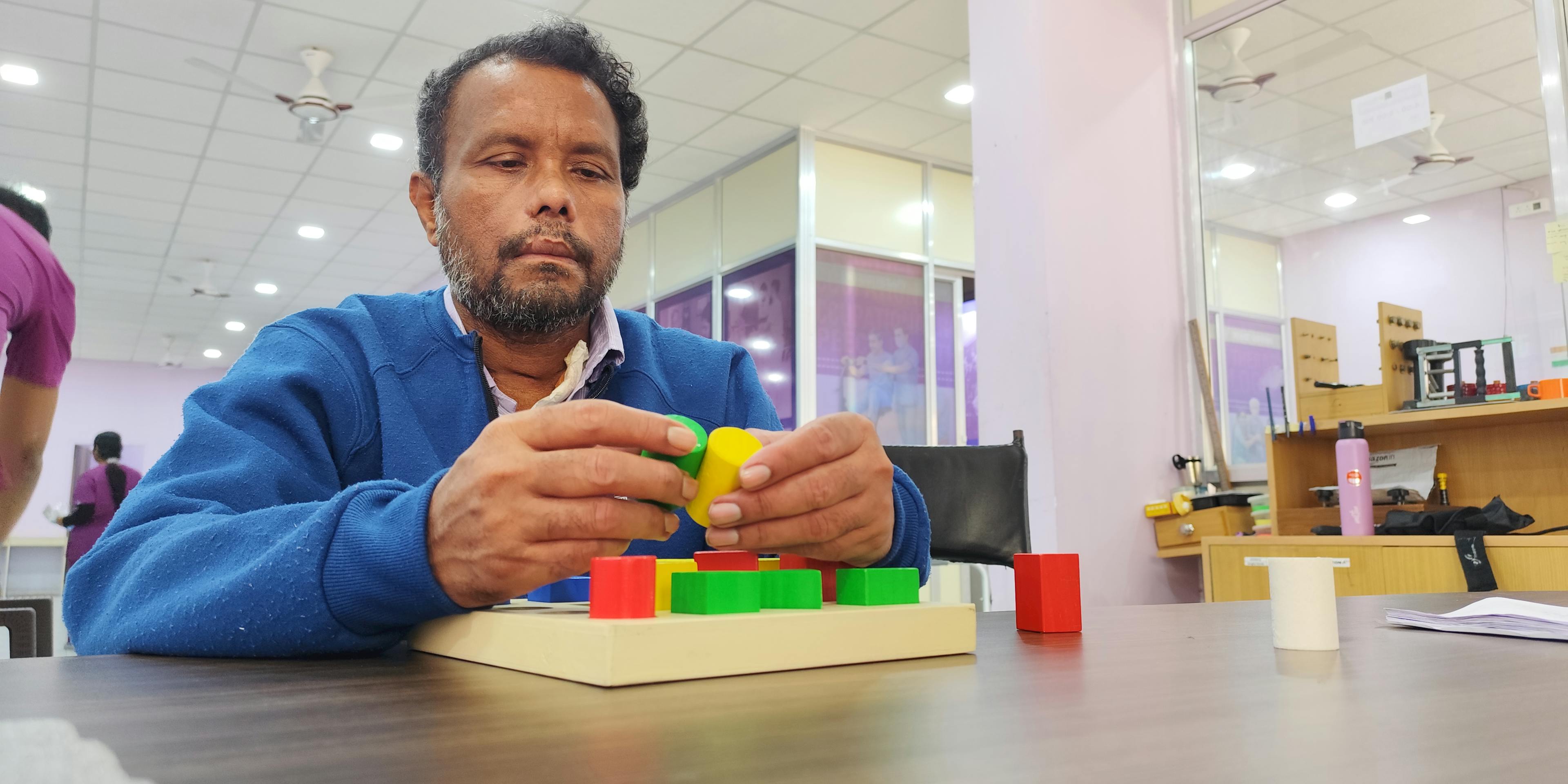
Occupational Therapy for Traumatic Brain Injuries Helps Recovery
Occupational Therapy for Traumatic Brain Injuries Helps Recovery. Discover how occupational therapy helps traumatic brain injury recovery.
Read MoreRehabilitation psychology is a specialty that supports people with disabilities or chronic health conditions. Let’s explore the role of rehabilitation psychologists and how they restore hope and meaning in people’s lives.
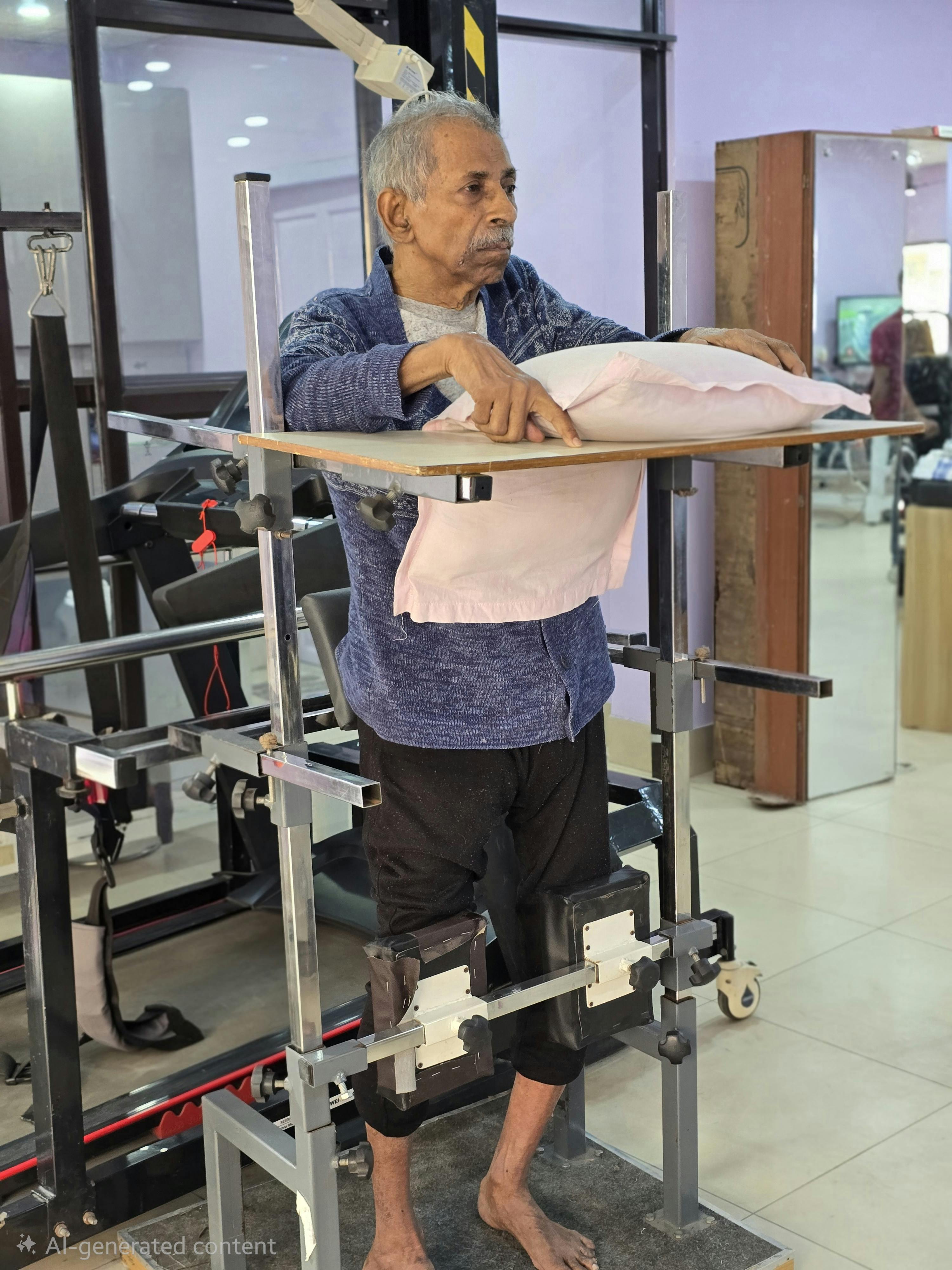
Let me tell you something I see all the time at Rehabana in Kolkata.
A father, 52 years old, was a lively man he never missed his morning walk in Salt Lake, enjoyed adda over chai with friends, and loved helping his daughter with her college notes. Then one evening, he suffered a stroke.
The hospital did its part: medicines, emergency care, and close monitoring. His life was saved. But when he came home, he stared at his right hand that no longer moved, his words stuck somewhere between his brain and his lips.
One night, he whispered to his wife:
“Am I still the same man?”
This is the kind of moment where medicine cannot answer. This is where a rehabilitation psychologist steps in.
If you look it up, you’ll find formal definitions: “Rehabilitation psychology is a specialty area within psychology that supports individuals with disabilities or chronic health conditions to achieve quality of life, independence, and social role participation.”
That’s correct, but here’s how I explain it to families:
👉 Rehabilitation psychology is about giving people back their sense of self when life has knocked it away.
It’s not just about treating depression or anxiety. It’s about helping someone with a spinal cord injury believe they can still go back to work. It’s about teaching a mother with chronic pain that she can still be there for her children in meaningful ways.
It’s about hope. Pure and simple.
Read This: What Is Rehabilitation: How It Can Transform Your Life
When someone is told they have a disability or chronic health condition, the medical struggle is visible: machines, therapies, medicines.
But the invisible wounds? Those are harder:
This emotional earthquake is what rehabilitation psychologists are uniquely trained to handle.
When someone is told they will live with disability or chronic health conditions, the body is not the only thing affected. The mind takes a shock too, an emotional earthquake.
At Rehabana, I have heard patients say:
These words are as heavy as any broken bone or paralyzed limb. And if left untreated, they can stop physical recovery too.
That is why the rehabilitation psychologist is a vital part of the rehabilitation team
Must read: Exploring Physiotherapy in Kolkata: Top 10 FAQs Answered for Better Health
So what exactly does a rehabilitation psychologist do every day? Let me explain in simple human terms.
Doctors are busy. Therapists focus on exercises. Families are overwhelmed. The psychologist sits with the patient and says: “Tell me how you’re feeling.” And that simple invitation often unlocks tears, fears, and truths that no one else hears.
A man with a spinal cord injury may not walk again, but he can still study, work, laugh, and love. Adjustment doesn’t mean giving up, it means finding new ways to live fully.
Caregivers are silent sufferers. A wife caring for her husband with a brain injury may whisper, “I feel angry, but I can’t say it aloud.” A psychologist helps caregivers release guilt, manage stress, and take care of themselves too.
For someone with multiple sclerosis or chronic pain, every day feels like a battle. Psychologists provide interventions like relaxation, mindfulness, and behavioral strategies to make life bearable.
You are not just a patient you are also a parent, friend, teacher, neighbor. Rehabilitation psychology focuses on social role participation making sure recovery includes returning to these roles, even if in new ways.
A good rehabilitation program is not just about muscles and machines. Psychologists work with the whole PMR doctors in Kolkata, physiotherapists, occupational therapists, speech therapists, and nurses to make sure emotional health is part of the plan.
Recommended: Challenges of Rehabilitation in India
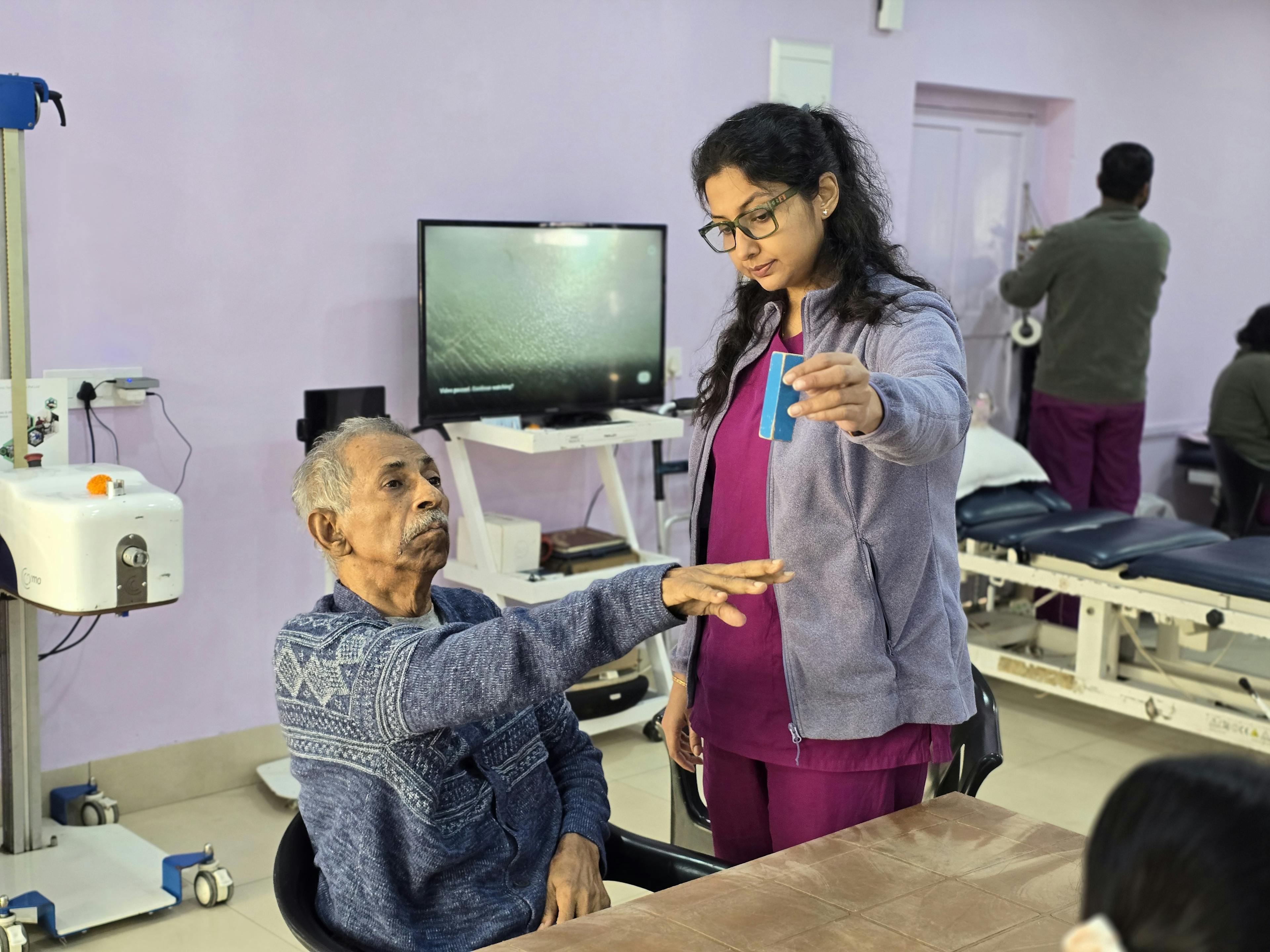
When people hear “psychologist,” they often think of a quiet room, long talks, and advice. Rehabilitation psychology is much more.
At Rehabana, here’s what I’ve seen:
It’s intervention, support, coping strategies, and program development all rolled into one.
They don’t just ask, “How are you feeling?” They ask, “What do you want to be able to do again? How can we help you get there?”
One of my favorite patients was a 17-year-old boy with a spinal cord injury after a bike accident. He told the psychologist, “All my friends will leave me. What’s the point of living?”
Over months, they worked together, sessions filled with anger, silence, small jokes, and eventually hope. One day, he surprised everyone by rolling into his college classroom with his wheelchair. His friends stood up and clapped.
That moment wasn’t just physical rehabilitation. It was rehabilitation psychology, restoring his belief that he still belonged in the world.
Another was a grandmother with Parkinson’s disease. She used to love tending to her plants. After therapy and counseling, she proudly walked out to her garden one morning, hands trembling but steady enough to touch her favorite hibiscus. Her family cried watching her.
These may sound like small victories, but to patients, they mean everything.
They are not working alone. They are always part of the rehabilitation team – alongside doctors, physiotherapists, occupational therapists, speech therapists, nurses, and families.
They are found everywhere rehabilitation happens:
Wherever they are, their goal is the same: to make sure rehabilitation isn’t only about survival, but also about living with dignity.
I’ll be honest, sometimes the most broken people I see are not the patients, but their caregivers.
A daughter once told me, “I love my father, but I feel guilty for feeling tired. I haven’t laughed in months.”
That guilt eats away silently. And this is why rehabilitation psychologists also support caregivers teaching them to cope, reminding them it’s okay to rest, helping them find meaning in the toughest journey of their lives.
Because if caregivers collapse, the patient’s journey collapses too.
This isn’t just “nice to have.” Rehabilitation psychology is an established field.
Globally, the World Health Organization emphasizes that disability is not only about medical conditions, it’s about participation in society. Rehabilitation psychology is fully aligned with this vision.
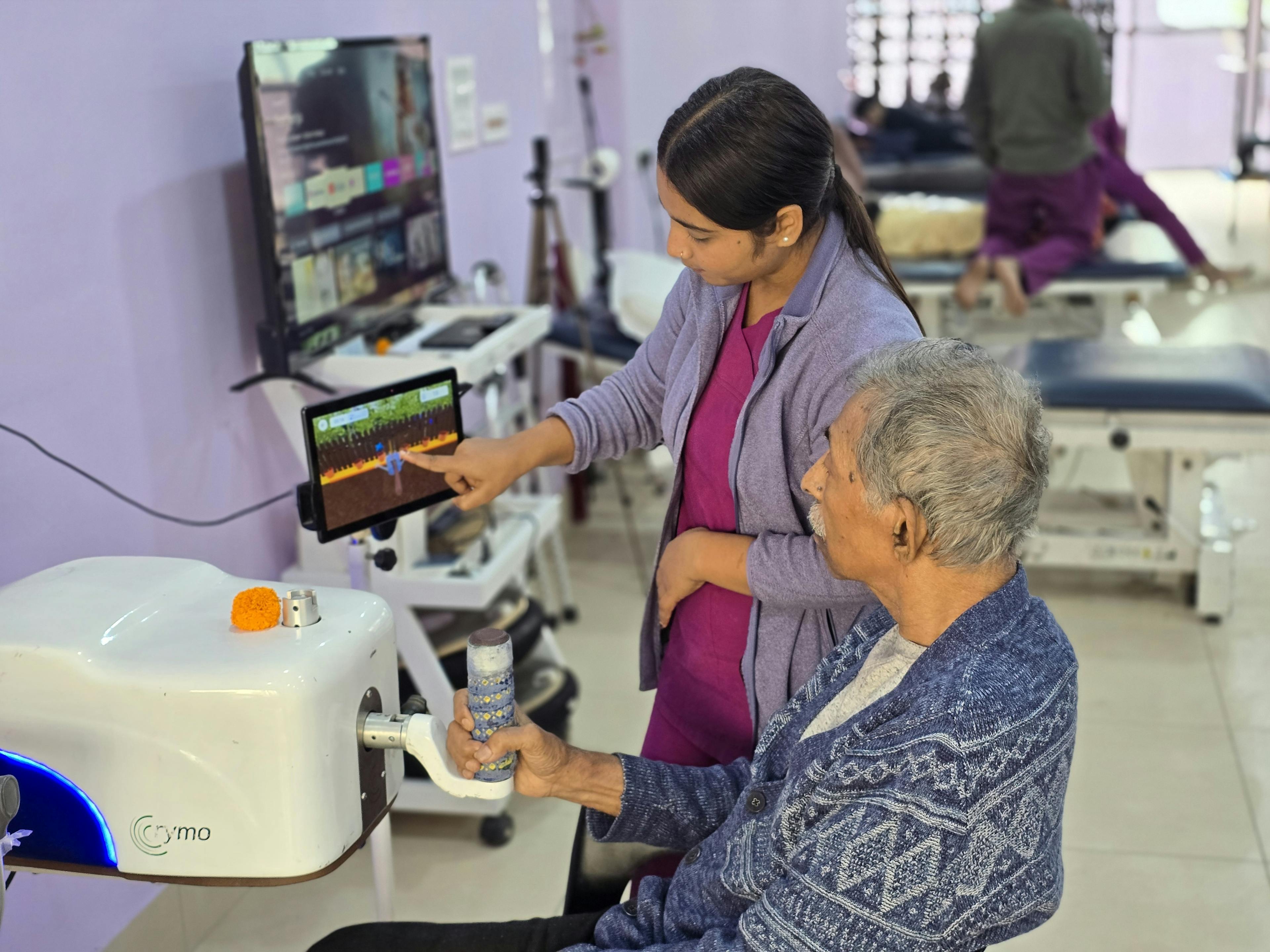
From everything I’ve seen, here’s what rehabilitation psychologists provide:
At the end of the day, the role of rehabilitation psychologist can be summed up like this:
At Rehabana – Neuro Rehabilitation Centre in Kolkata, we see it daily. Patients walk in broken, families walk in afraid. Slowly, through counseling, coping strategies, and sheer patience, they walk out smiling again.
Because rehabilitation is not just about the body it’s about the person, the family, the life around them.
That’s why we always say: Neuro Rehab means Rehabana.
Must Read: The Future of Rehabilitation Services in India: What You Must Know
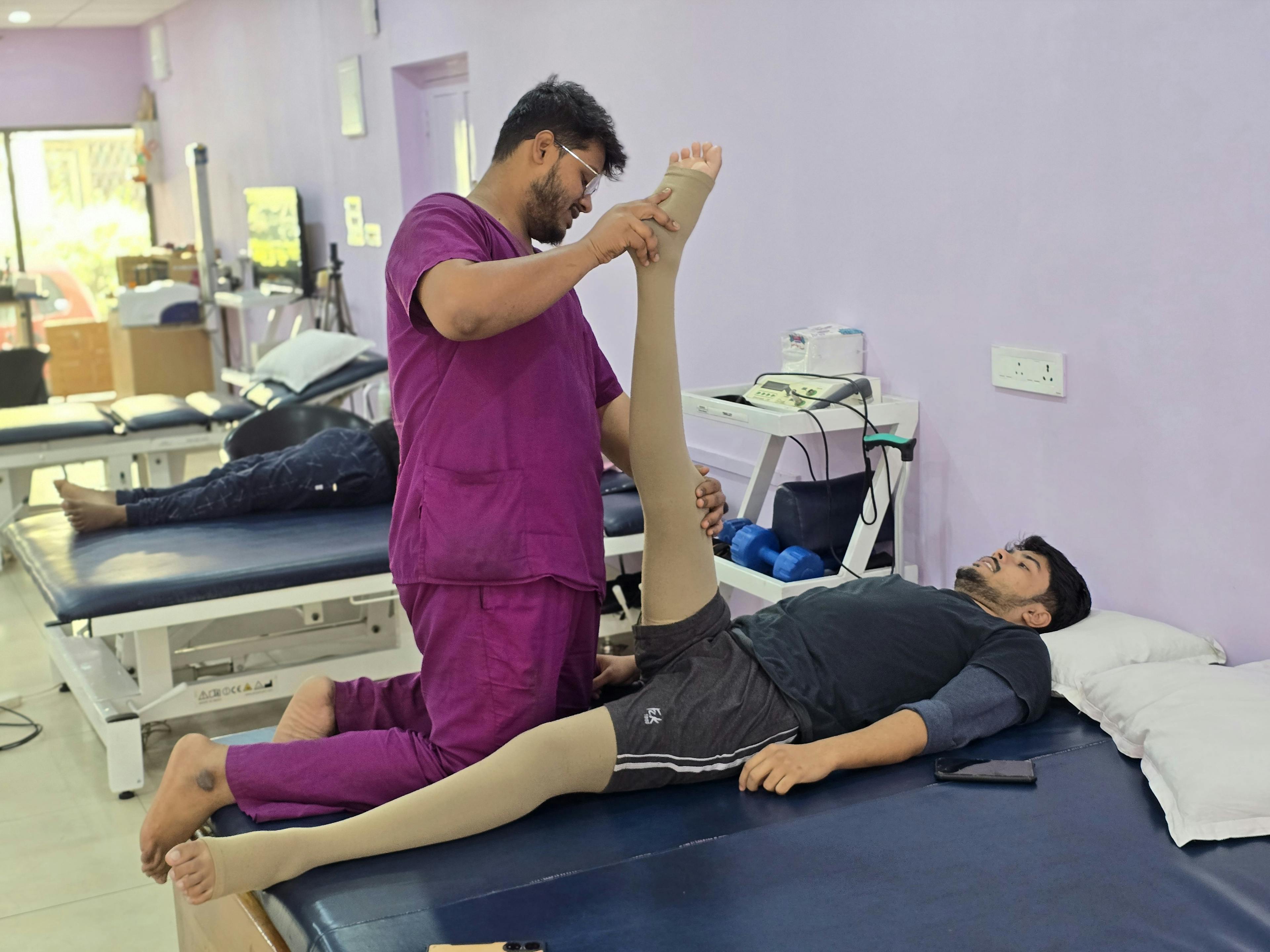
Living with a disability or chronic health condition is tough, not just physically, but emotionally. Rehabilitation psychologists provide the support, care, and guidance you need to rebuild hope and meaning.
Knowledge That Guides Recovery
Get expert neuro rehabilitation tips from the doctors at Rehabana, Kolkata — simple guidance on stroke recovery, spinal cord injury rehab, Parkinson’s care, and enhancing quality of life after neurological conditions.
Occupational Therapy for Traumatic Brain Injuries Helps Recovery. Discover how occupational therapy helps traumatic brain injury recovery.
Read More
How Speech Therapy Helps Patients with Parkinson’s Disease: Learn how speech therapy can help with slur, speech and swallowing difficulties.
Read More
Speech therapy and language therapy improve communication skills. Speech-language pathologists can help with speech and language, and swallowing.
Read More