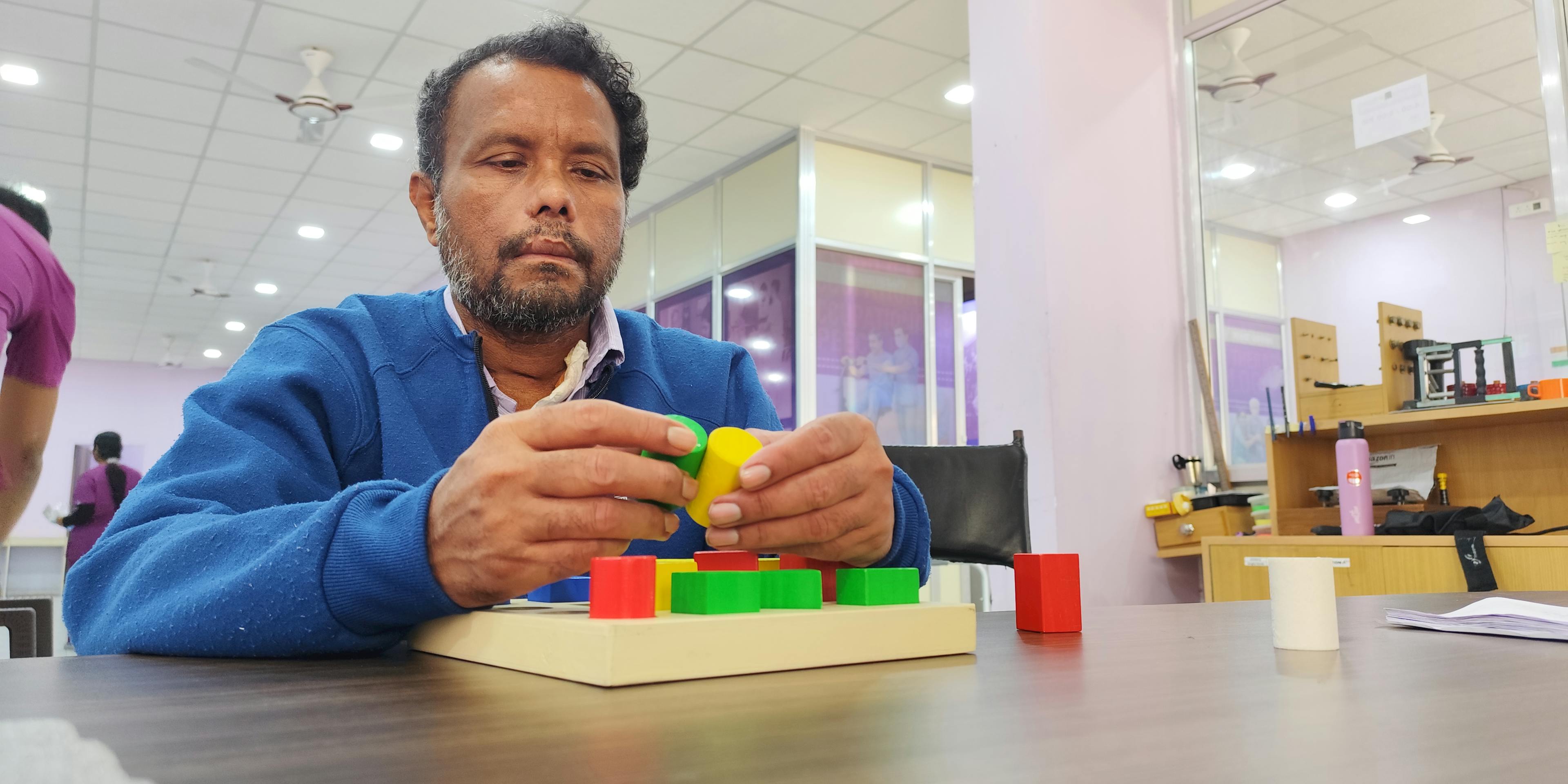
Occupational Therapy for Traumatic Brain Injuries Helps Recovery
Occupational Therapy for Traumatic Brain Injuries Helps Recovery. Discover how occupational therapy helps traumatic brain injury recovery.
Read MoreRehabilitation is not just medical management; it’s about rejuvenating life. Rehabilitation has multiple subtypes depending upon their limitations and their goals, outcomes, and how they change lives.
Close your eyes and imagine this for a moment.
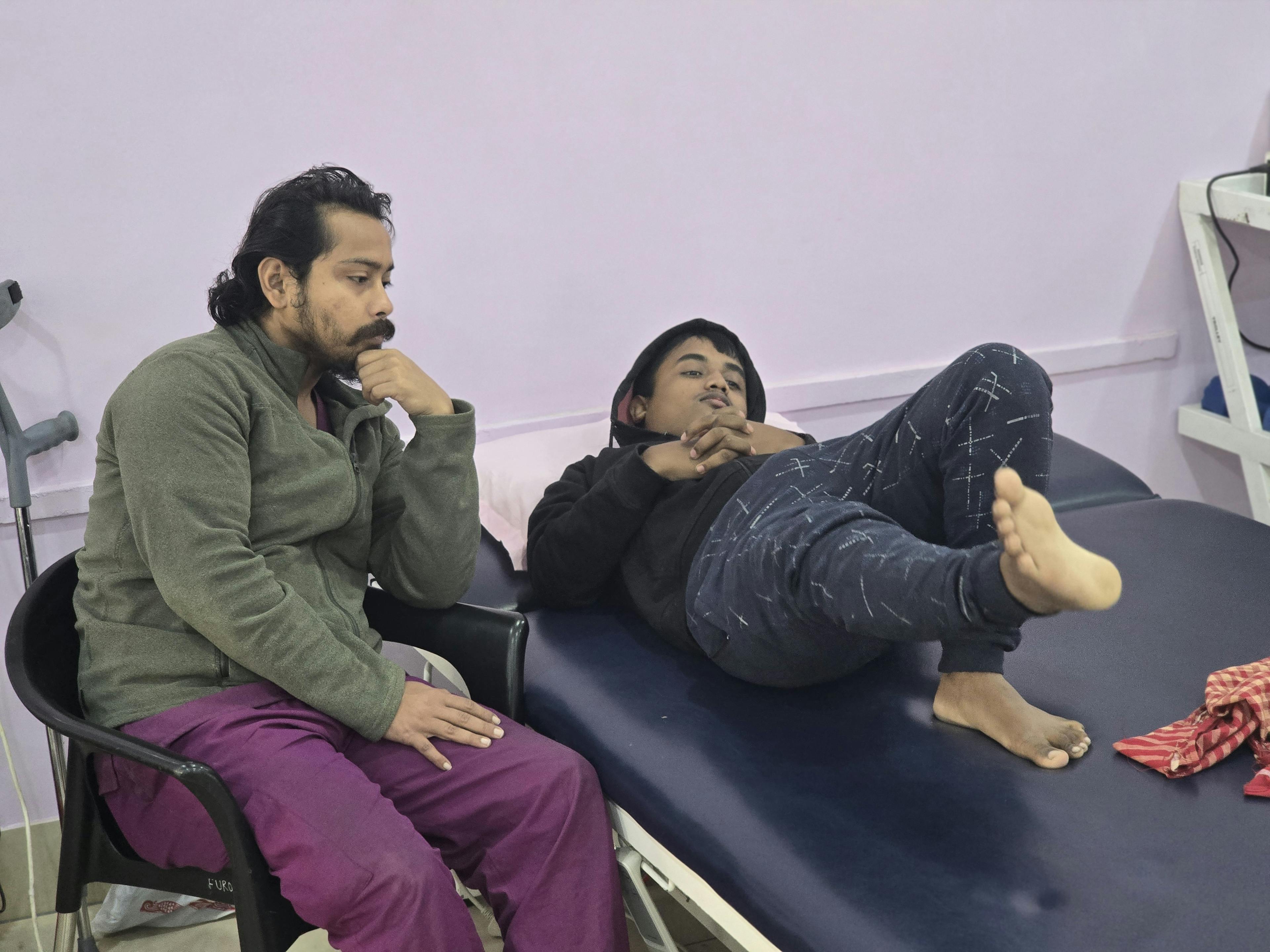
A father in his 50s suffers a stroke. Just yesterday, he was laughing with his children, walking to the market, and living a full life. Today, he struggles to lift his spoon or say a full sentence. His family sits around his hospital bed asking the one question every family asks:
“Will he ever be the same again?”
This is where rehabilitation steps in. Quietly, patiently, and powerfully.
Rehabilitation is not about “curing” everything. It is about rediscovering ability, about crossing the bridge from survival to living. It helps people with health conditions, disabilities, or injuries find their way back to independence and dignity.
Whether it is physiotherapy after a fracture, speech therapy for someone recovering from brain injuries, or cardiac rehabilitation after surgery , each type of rehabilitation focuses on one simple goal: to improve quality of life.
Let’s explore the different types of rehabilitation, their objectives, outcomes, and why millions of people worldwide may need rehabilitation at some point in their lives.
If you’re looking for the right support, a Rehabilitation Center in Kolkata can help rebuild lives with care and therapy. Guided by a PMR Doctor in Kolkata, recovery plans focus not just on treatment, but on restoring independence and daily living.
Know more: Rehabilitation vs. Therapy: What’s the Difference & Why It Matters
Many people think of rehabilitation as being only for the severely disabled, or for those that are “stuck in bed.” The truth is that rehabilitation is for any person with health issues that is interfering with everyday life, even if that means walking up and down stairs, grasping a coffee cup, or walking to the mailbox.
Many people think of rehabilitation as physiotherapy. While it certainly can be that – and much more! Rehabilitation can affect things like speech and language, memory and cognition, returning to work, as well as mental and emotional health. For that comprehensive rehabilitation is needed, which need a team consists of occupational therapist, speech & language pathologist, psychologist, rehab nurse, social worker and obviously physiotherapist; led by Rehab Physician.
Rehabilitation is often thought to be a service for people who have fallen, been in a serious accident, or undergone surgery, but can also benefit people working to manage chronic health conditions that affect them every day, like heart disease, lung disease, or arthritis. For example, a PMR Doctor in Kolkata can help design a program tailored to these conditions.
Rehabilitation, the term often brings drug addiction in mind, but it’s small part of psychological rehabilitation.
There is the misconception that rehabilitation happens overnight, instantly. But it needs patience, and can only be achieved with the help of some extraordinary therapists, teamwork, and small successes along the way.
Rehabilitation at its core is about not only focusing on what you cannot do. It is about discovering what you can do; and supporting you in a journey back to living a life that is meaningful to you.
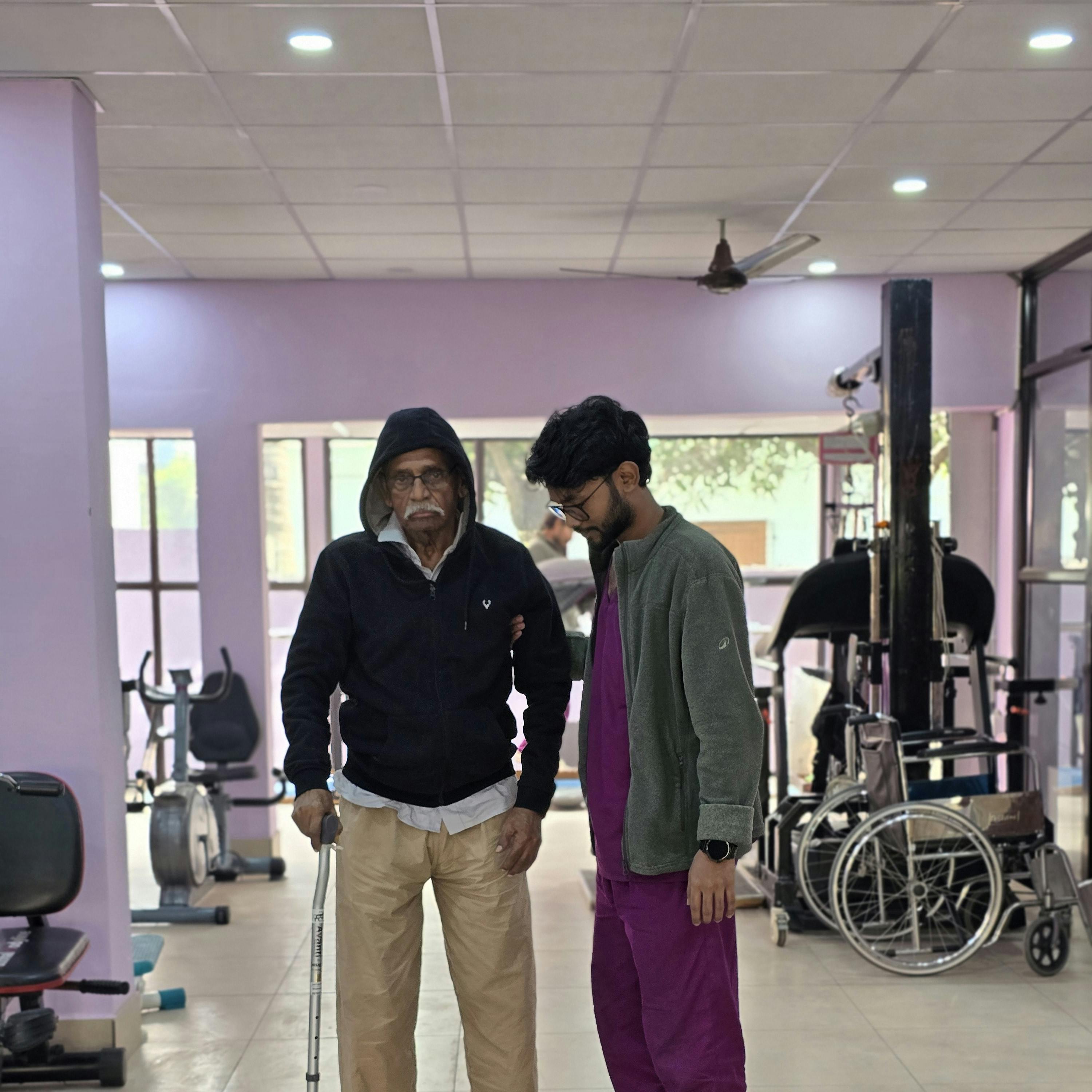
Must Read: Role of Rehabilitation Center: Why It Speeds Up Healing More Than You Think
We’ll cover:
Physical rehabilitation is about helping people regain strength, mobility, and independence after an injury, surgery, or health condition. Think of it as teaching the body to trust itself again.
Physical therapy (or physiotherapy) is one of the most common rehabilitation services. It helps patients recover after fractures, joint replacements, sports injuries, or surgeries. Physical therapists use strengthening exercises, stretches, balance training, and sometimes assistive technology to support recovery.
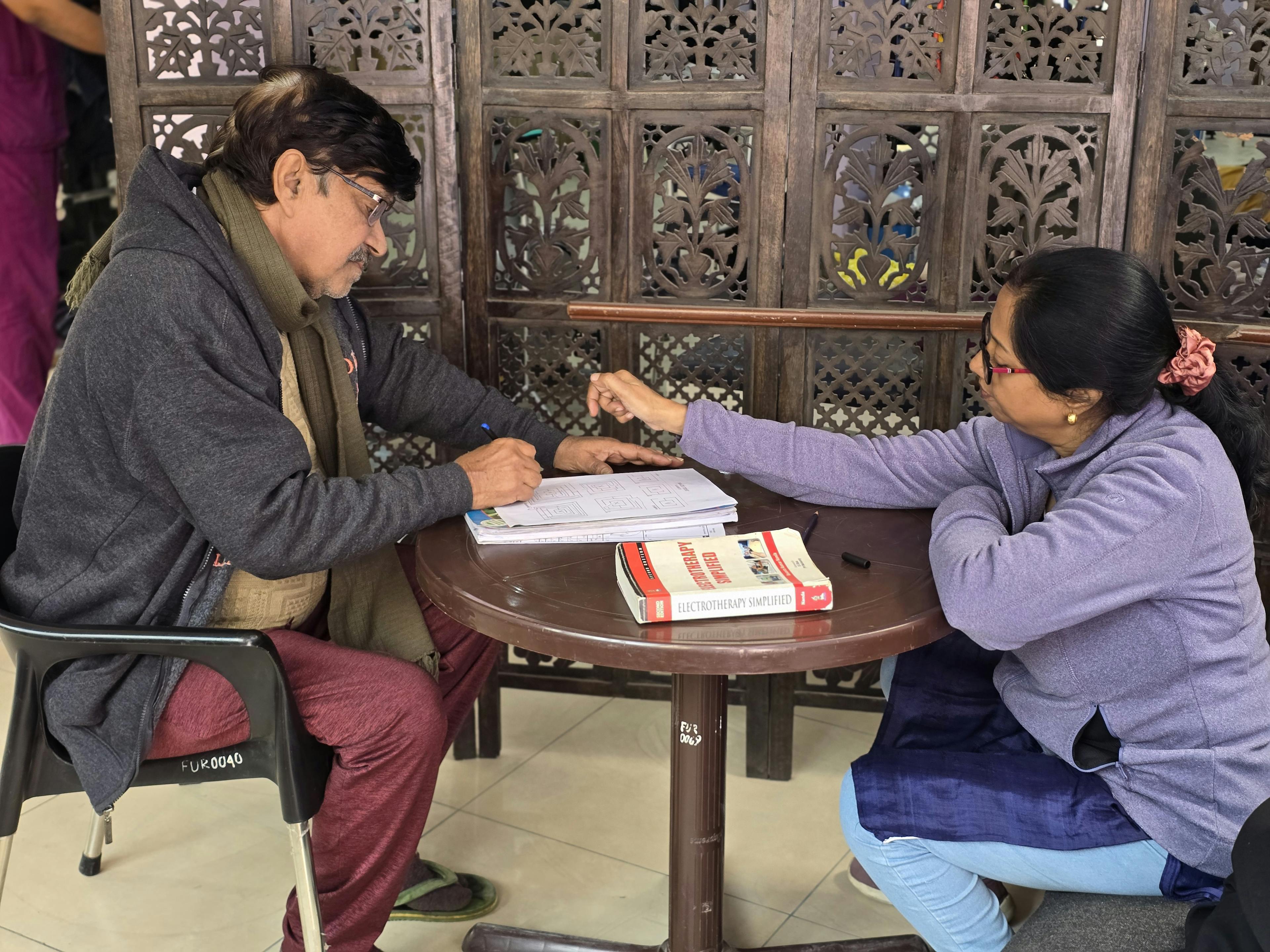
It is rehabilitation designed for individuals who have disorders of the brain, spinal cord or nerves. It can be as simple as teaching the nervous system to relearn and rebuild step by step.
Neurological rehabilitation is focused on illnesses or conditions such as stroke, spinal-cord injury, multiple sclerosis, Parkinson’s disease, and traumatic brain injuries, to name only a few.
Rehabilitation professionals could use a combination of physical therapy, occupational therapy, speech therapy, or cognitive rehabilitation according to Neurological deficit.
Know more: Key Differences Between Physiotherapy and Neurotherapy
Amputation rehabilitation is about helping people who have lost their limb due to trauma or other medical issues, to return to work and society. It is not just about mobility but finding jobs about adapting skills, retraining, and supporting individuals to live independently with dignity. Rehabilitation professionals prescribe prosthetic limb after assessment and orthotics prepare it as per need. Then training with prosthesis take time to cope in.
It deals children with disease like, cerebral palsy, club foot, muscular dystrophy etc. They need special attention in gait, balance, hand function and psychological development. Orthosis and modified shoe is often used for these programmes.
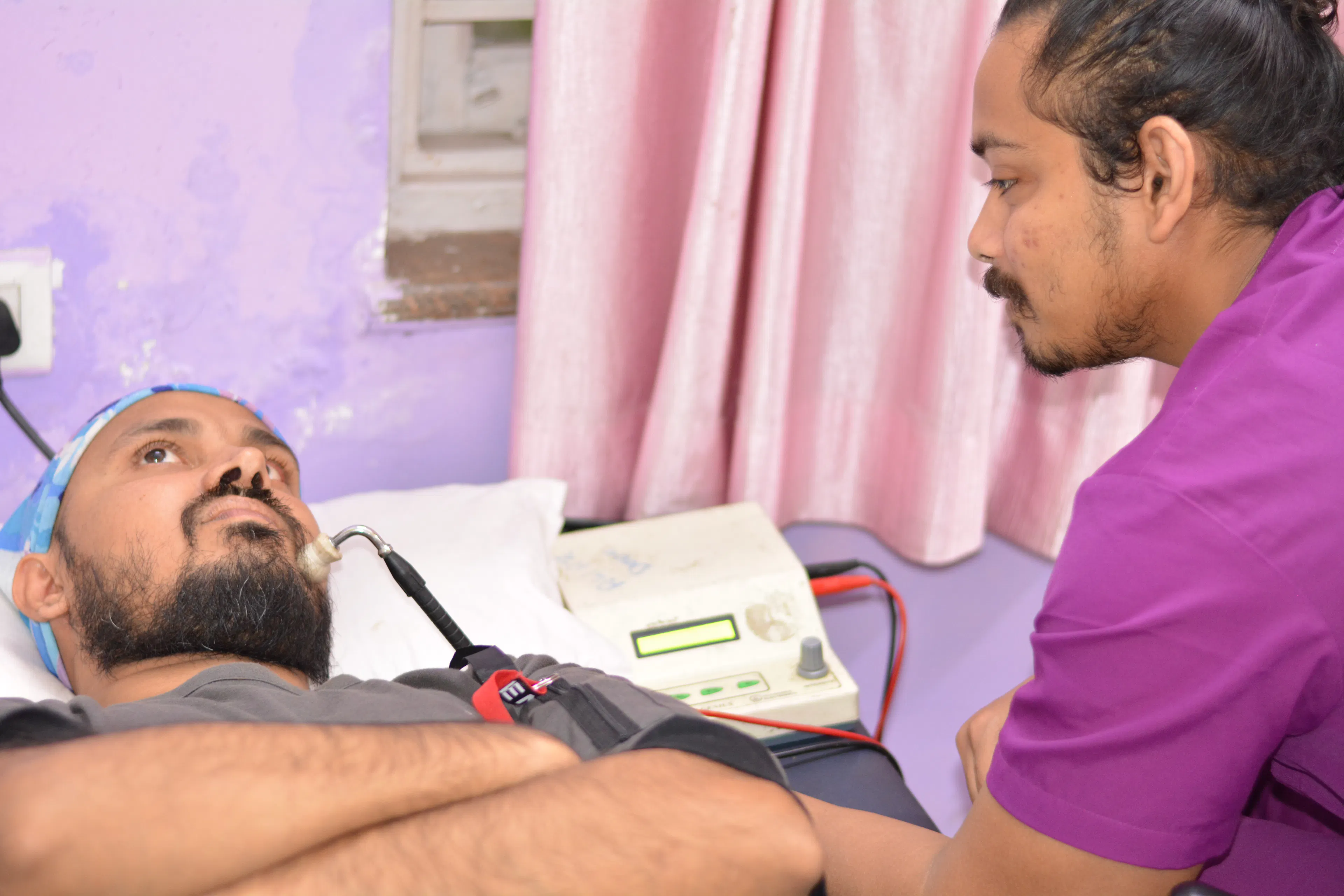
This form of rehabilitation helps people recover from bone, joint, and muscle conditions.
It includes therapy for fractures, arthritis, back pain, and orthopaedic surgeries including joint replacement, tendon transfer, and capsular release.
Orthopedic rehabilitation involves physiotherapy, occupational therapy, and sometimes assistive devices.
Studies show that physical therapy reduces pain and improves mobility in up to 80% of patients with musculoskeletal disorders such as arthritis or back pain.
Must read: The Future of Rehabilitation Services in India: What You Must Know
Geriatric rehabilitation focuses on complete recovery from age related illness, or chronic disease.
It is comprehensive rehabilitation involving doctors, nurses, physiotherapists, and occupational therapists, psychologist and rehab nurse. Rehabilitation starts with individualised customized programs.
According to the World Health Organization, an estimated 2.4 billion people globally are currently living with a health condition2.4 billion people globally are currently living with a health condition that could benefit from rehabilitation
It is rehabilitation designed for heart and lung pathology. It art of comeback from deconditioning of heart and lungs .
Cardiac rehab supports recovery after heart attacks, surgeries, or heart failure. Pulmonary rehab helps patients with COPD, asthma, or lung surgery recover.
This is about reintegrating individuals back into their life with cancer related disability. Community programs aim to reduce isolation and promote inclusion.
Addiction rehabilitation is designed to help people recover from drug, alcohol, or behavioral addictions. It is about rebuilding control over one’s life.
Addiction rehab combines behavioral therapy, counseling, group support, and medical interventions. The goal is not only detoxification but also long-term recovery.
It is rehabilitation for the mind and emotions, especially after trauma, mental health disorders, or psychological injury.
This type focuses on anxiety, depression, PTSD, or trauma recovery. Therapy aims to improve coping skills, emotional strength, and social reintegration.
Know more: Challenges of Rehabilitation in India | Why Families Struggle
Rehabilitation is more than just get back your life, it’s returning to recovery and about rediscovering life.
From physical therapy following surgery to neurological rehabilitation with stroke clients, addiction recovery, and cardiac rehabilitation- there is a single purpose to every rehabilitation type to restore people’s independence, dignity, and hope. As the World Health Organization says, rehabilitation is part of universal health coverage. Every person, at some point in life, may need rehabilitation.
If you or your loved one may benefit from rehabilitation services, remember this: progress is possible, no matter how small the step.
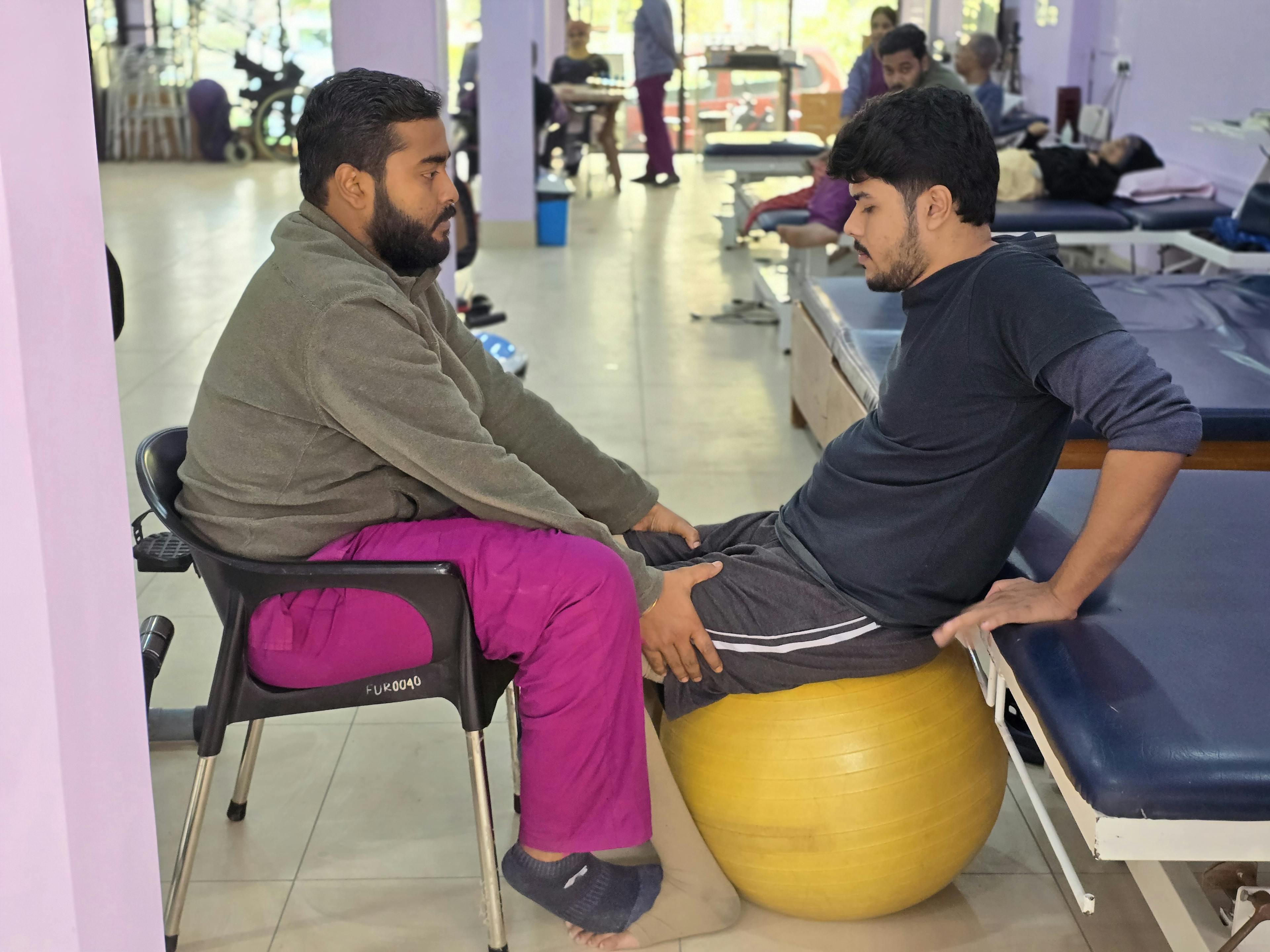
Don’t wait for tomorrow. If you or your loved one may need rehabilitation, start today.
Knowledge That Guides Recovery
Get expert neuro rehabilitation tips from the doctors at Rehabana, Kolkata — simple guidance on stroke recovery, spinal cord injury rehab, Parkinson’s care, and enhancing quality of life after neurological conditions.
Occupational Therapy for Traumatic Brain Injuries Helps Recovery. Discover how occupational therapy helps traumatic brain injury recovery.
Read More
How Speech Therapy Helps Patients with Parkinson’s Disease: Learn how speech therapy can help with slur, speech and swallowing difficulties.
Read More
Speech therapy and language therapy improve communication skills. Speech-language pathologists can help with speech and language, and swallowing.
Read More