Occupational Therapy for Traumatic Brain Injuries Helps Recovery
Occupational Therapy for Traumatic Brain Injuries Helps Recovery. Discover how occupational therapy helps traumatic brain injury recovery.
Read MorePeople say “physiotherapy” like it’s one single thing but there are many physiotherapy types, and each one helps a different injury or condition. In this guide, we’ll review the conditions they treat and the different types of physiotherapy available, so you can choose the right help for your health condition.
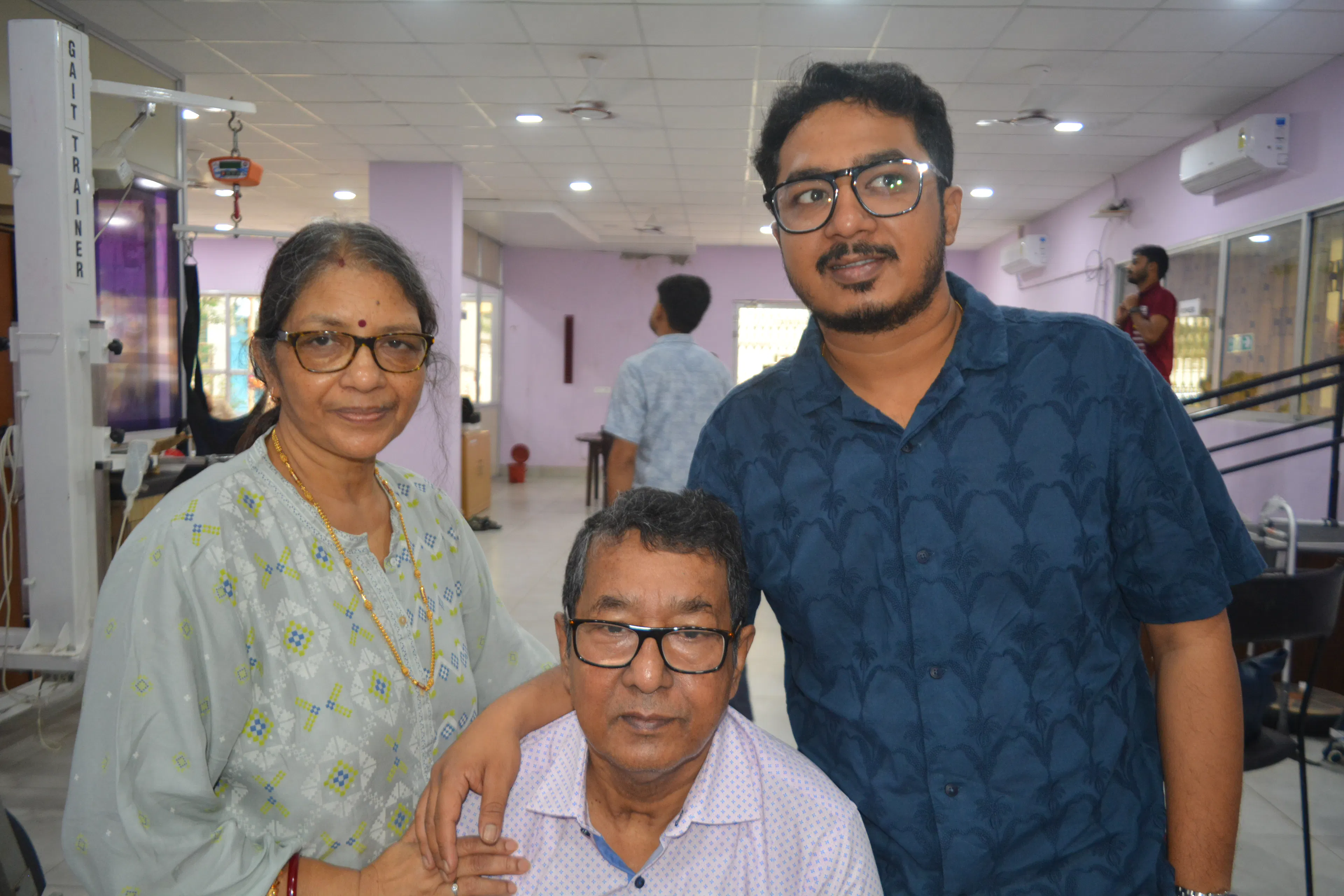
Let me start with something I hear almost every week.
A family walks in and says, “We need physiotherapy.”
And I usually ask, gently, “Okay… what kind?”
They look at me like I’m being tricky. “Isn’t physiotherapy just physiotherapy?”
No. Not really.
The term physiotherapy is like saying “medicine.” There are many forms inside it. And choosing the right type of physiotherapy matters – because a person with back pain needs a different approach than someone with a spinal cord injury, and a child needs a different approach than an older adult.
At Rehabana, where people come for physiotherapy in Kolkata, we see a wide array of conditions every day – from musculoskeletal aches to neurological disorders like stroke, Parkinson’s disease, and multiple sclerosis, and also respiratory problems like chronic obstructive pulmonary disease (yes, people also say obstructive pulmonary issues in conversation). So we wrote this in plain language – not textbook language.
We’ll review the conditions they treat, the types of physiotherapy treatments, and the real-life benefits – so it’s easier to decide what you need and how physiotherapy can help.
Physiotherapy is a type of healthcare that focuses on movement, function, and recovery. In a very simple way: it helps people move better and feel better.
You may also hear the phrase type of physical therapy in some places. Same idea – different wording.
A physiotherapist (your therapist) looks at your body like a system – your joints, muscles, nerves, balance, breathing, posture, and daily activities – and then creates a treatment plan that fits your goals.
Here’s the part many people don’t realize: physiotherapy treatment isn’t only exercise. It can include:
In other words, physiotherapy encompasses more than “do these 10 exercises.” Physiotherapy focuses on improving how your body works in real life.
And yes – physiotherapy aims to reduce pain, relieve pain, and help you return to normal life. But it also aims to prevent future problems, especially in chronic conditions.
Read more: Difference Between Occupational Therapy Vs Physiotherapy: Which Is Better?
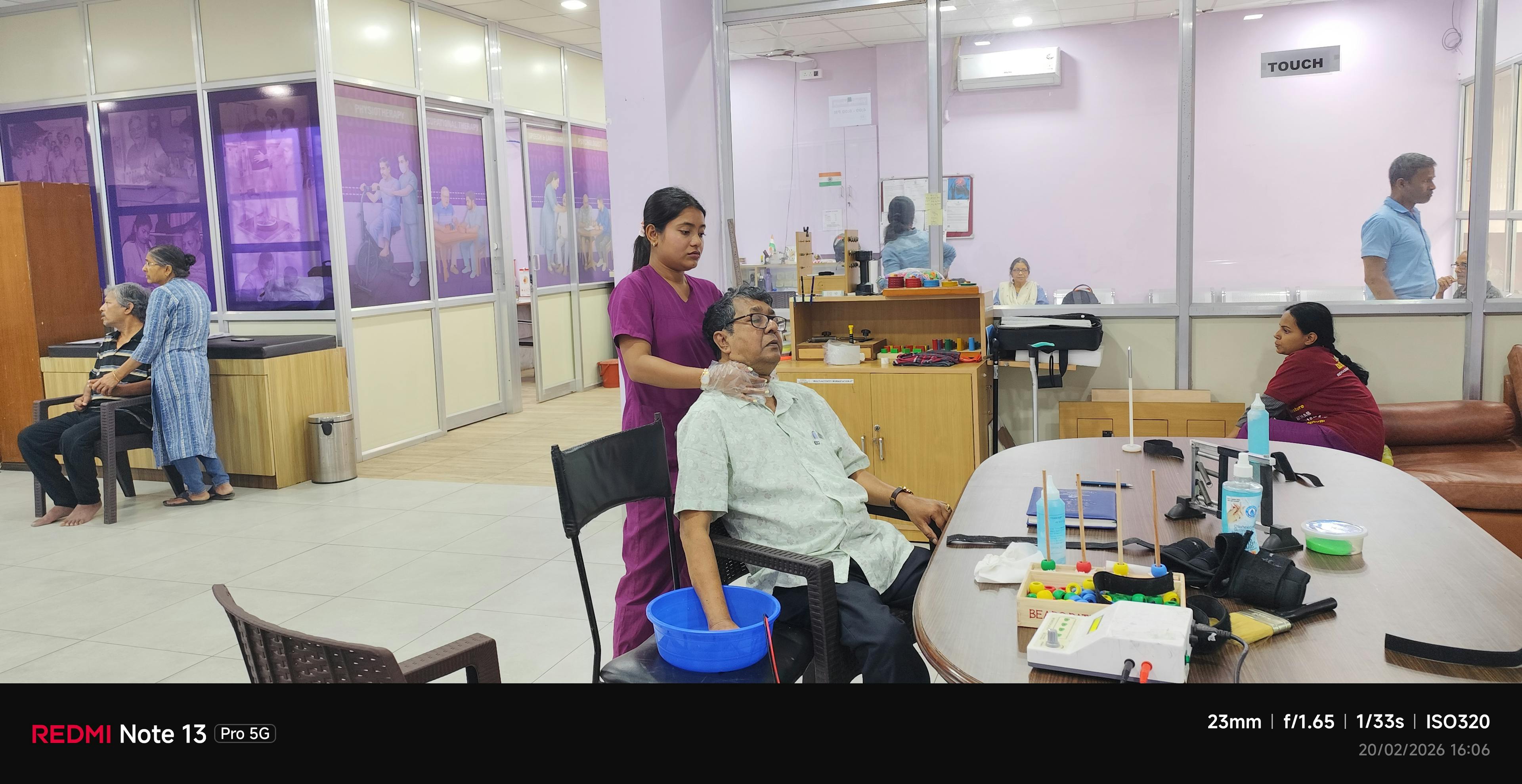
Because different problems need different tools.
Pain in the neck can come from stiff joints, weak muscles, stress, or poor posture. A neurological condition like Parkinson’s affects movement planning and balance. A child may need help with development. An elderly person may need fall prevention and confidence rebuilding.
That’s why there are different types of physiotherapy and different types of physiotherapists. It’s also why you’ll hear phrases like “we offer physiotherapy” in clinics – but you should still ask which specialization they provide and whether it matches your condition.
Now let’s break down the main physiotherapy types.
Musculoskeletal physiotherapy is one of the most common types of physiotherapy available. It focuses on the musculoskeletal system – muscles, bones, joints, and soft tissues like the ligament and tendon.
If you’ve ever had:
…this is usually the category.
Musculoskeletal physiotherapy helps to:
This is where manual therapy often plays a big role – hands-on techniques to loosen stiff joints and reduce pain. Along with that, you’ll see:
Musculoskeletal physio is where many people first “meet” physiotherapy. It’s also where patients who suffer for years finally realize: “Oh… the right plan makes a difference.”
You’ll see both spellings: orthopedic and orthopaedic. Both are correct. People also say orthopaedic physiotherapy and orthopedic physiotherapy interchangeably.
Orthopaedic physiotherapy focuses on bones, joints, post-surgical recovery, and injury rehabilitation. It’s a major part of rehab after fractures and orthopedic surgery.
Orthopaedic physiotherapy helps patients:
Orthopedic physiotherapy is also where the treatment plan has to be smart. Too little movement can create stiffness. Too much can create swelling and setbacks. So it’s guided, step-by-step.
Recommended: Physiotherapy in Kolkata: Key to Post-Surgery Recovery
This is a big one at Rehabana.
Neurological physiotherapy (also called neuro physiotherapy) focuses on the nervous system – the brain, spinal cord, nerves – and how they control movement.
So if someone has:
…then neuro physio is often essential.
Neurological physiotherapy helps patients:
Neuro physiotherapy uses:
Neurological physiotherapy often looks slow from the outside, but it’s deeply skill-based. It’s about teaching the nervous system new pathways.
You’ll see both terms: pediatric physiotherapy and paediatric physiotherapy.
And yes, families ask: “Is it the same as adult physio?” Not really.
Children aren’t small adults. Their bodies are growing, and their brains are developing. That changes everything about how we plan therapy.
You’ll hear this phrase sometimes: pediatric physiotherapy is simply the delivery of physiotherapy services to children – and that’s true. Even more specifically, physiotherapy services to children and services to children and youth are designed around development, learning, and play.
(Some clinics describe it as simply the delivery of physiotherapy services in a child-friendly way – and honestly, that’s a good way to think about it.)
You’ll often work with pediatric physiotherapists (or paediatric physiotherapists). Same meaning, different spelling.
Paediatric physiotherapy helps:
And one more thing: pediatric work is emotional. Parents carry worry. Kids carry fear sometimes. A good pediatric therapist works with the family, not just the child.
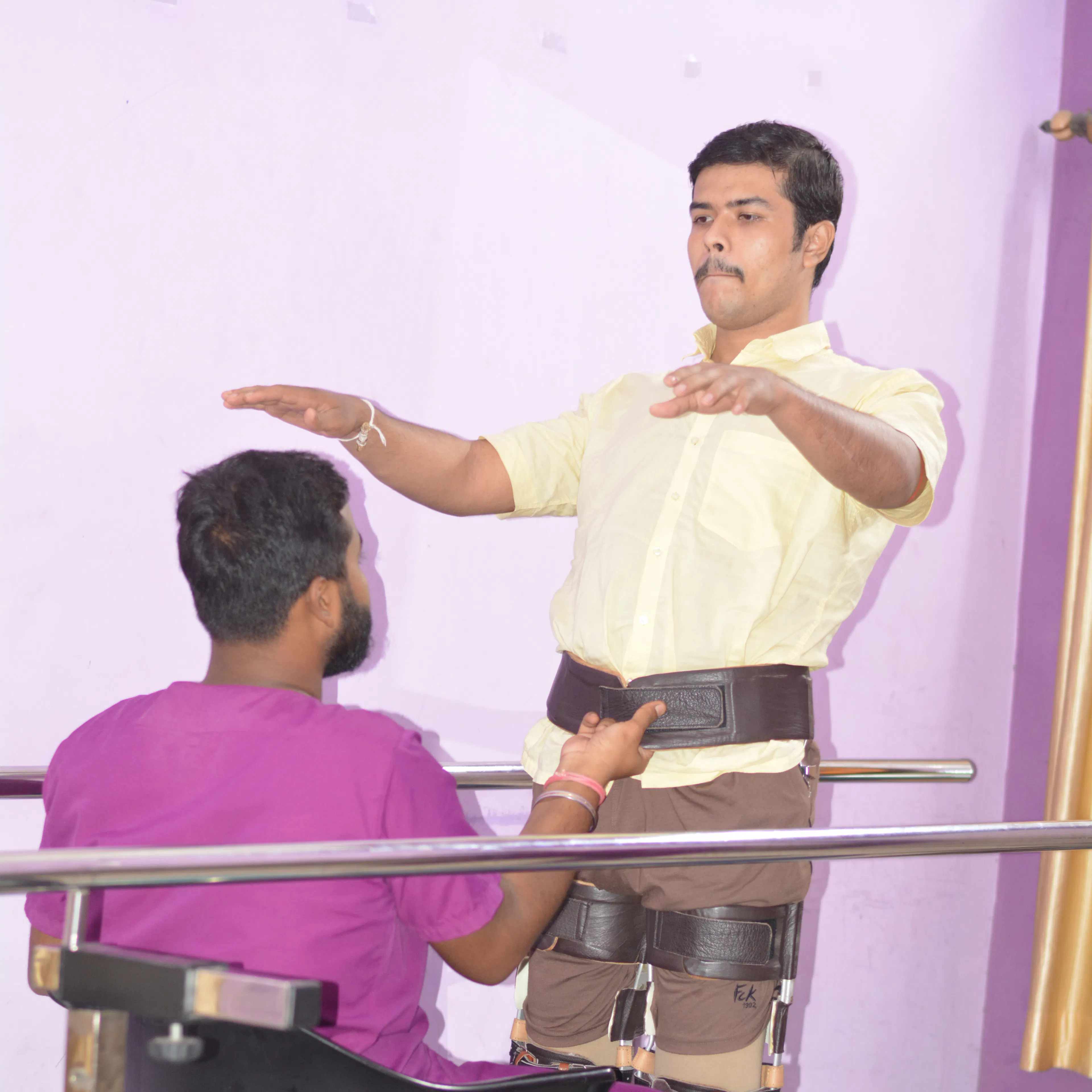
Geriatric physiotherapy supports older adults – and honestly, it’s one of the kindest parts of our profession.
Because what older people want is simple: “I want to walk safely.” “I don’t want to fall.” “I want to be able to go to the bathroom without fear.”
Geriatric physiotherapy can help:
The goal here isn’t to turn someone into an athlete. It’s to help them live safely and comfortably – and that is huge.
Sports physiotherapy helps active people and athletes recover and return to sport safely. And it’s not only for professionals. If you play weekend football, run, go to the gym, dance – you count.
Sports physiotherapy helps athletes in many ways:
And yes, physiotherapists can help athletes with performance habits too – warm-ups, strengthening exercises, load management, and avoiding repeat injury.
In simple words: sports physio is designed to get you back – but in a safer way, not a rushed way.
This is a type many people forget exists – until they really need it.
Respiratory physio supports breathing and endurance for people with respiratory conditions like:
Some people describe it casually as obstructive pulmonary trouble – breathlessness, chest tightness, fatigue.
Respiratory physiotherapy:
It can be life-changing for people who feel breathless even on short walks.
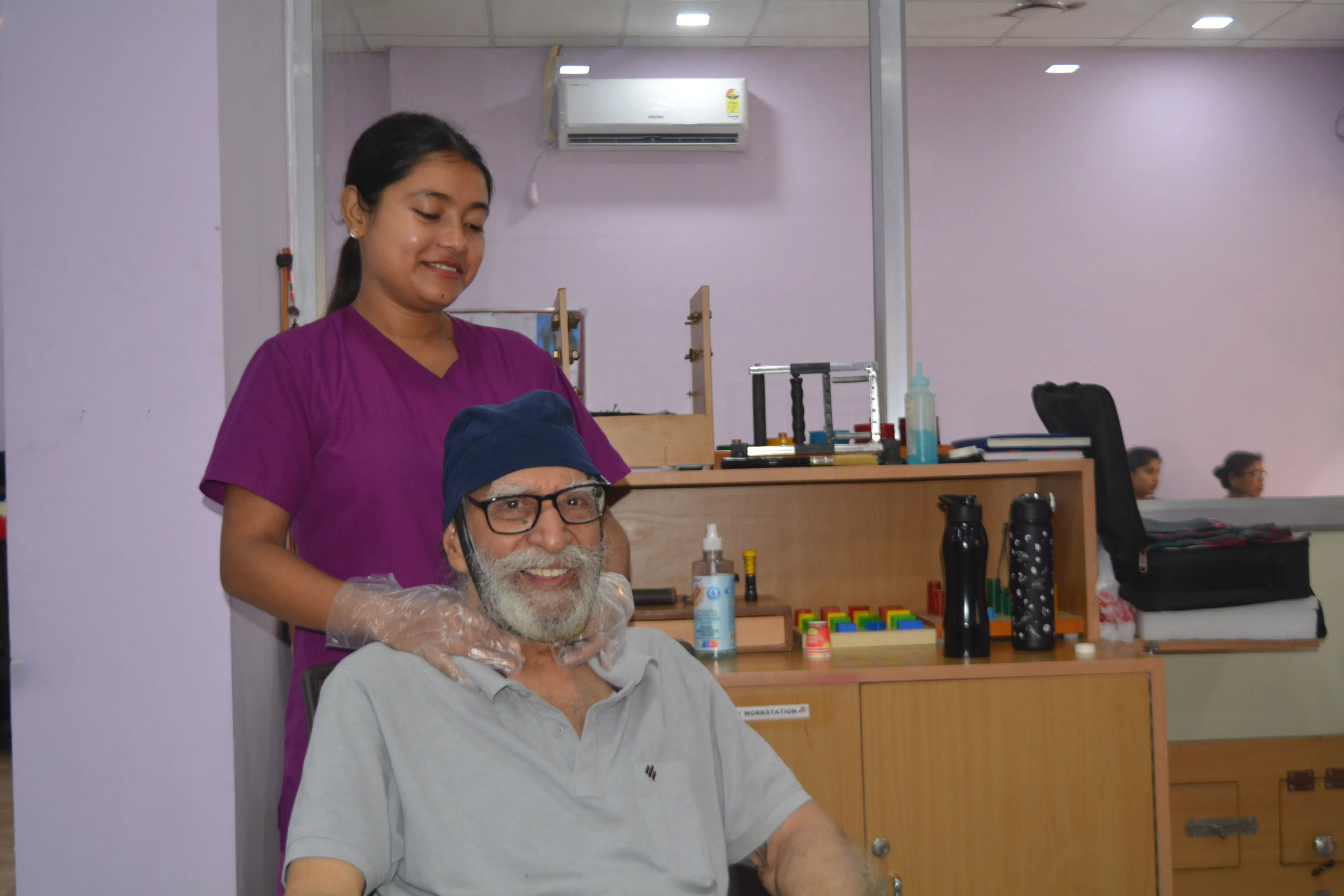
This is the part where I want to be very practical.
The “best physiotherapist” isn’t the one with the loudest marketing. The best physiotherapist for you is the one who matches your condition and builds a proper treatment plan.
A physiotherapist will assess:
Then they’ll choose the right tools – because used in physiotherapy are many methods, and they should fit your body and your needs.
This is also where the delivery of physiotherapy services matters – you want clarity, consistency, and progress tracking. Not random sessions that change every time.
Know more: Physiotherapy in Kolkata : 5 Cutting-Edge Techniques
Yes, physiotherapy has numerous benefits. But I don’t want to list them like a brochure. I want to say what it looks like in real life:
Physiotherapy helps people move toward those moments.
Physiotherapy offers support for a wide array of conditions – and physiotherapy can help in both short-term injury rehab and long-term chronic conditions.
And when done well, physiotherapy aims to reduce pain, improve mobility, and rebuild confidence. That’s the heart of it.
So here’s the breakdown, in one breath:
There are different types of physiotherapy available because people have different needs.
If you’re confused about which one you need, that’s okay. Most families are. The important thing is: don’t guess. Get assessed. Get the right plan. Then stick with it.
That’s how physiotherapy helps.
If you’re looking to start physiotherapy – or you’re not sure which type of physiotherapy fits your injury or condition – we’re here to guide you.
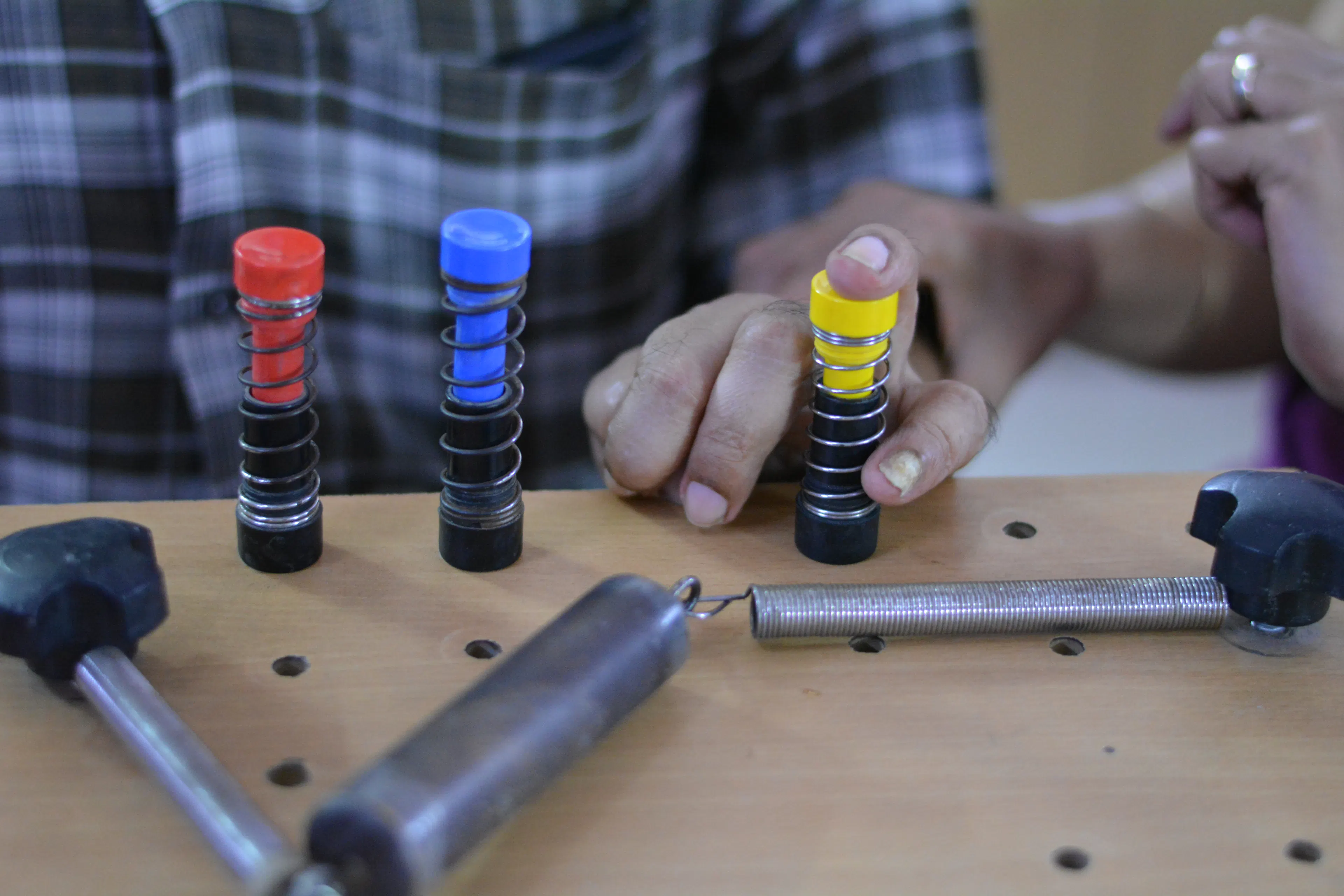
Choosing the correct type of physiotherapy makes all the difference in recovery. Whether you’re dealing with pain, post-surgery stiffness, neurological challenges, or mobility issues, the right assessment leads to the right results.
Knowledge That Guides Recovery
Get expert neuro rehabilitation tips from the doctors at Rehabana, Kolkata — simple guidance on stroke recovery, spinal cord injury rehab, Parkinson’s care, and enhancing quality of life after neurological conditions.
Occupational Therapy for Traumatic Brain Injuries Helps Recovery. Discover how occupational therapy helps traumatic brain injury recovery.
Read More
How Speech Therapy Helps Patients with Parkinson’s Disease: Learn how speech therapy can help with slur, speech and swallowing difficulties.
Read More
Speech therapy and language therapy improve communication skills. Speech-language pathologists can help with speech and language, and swallowing.
Read More