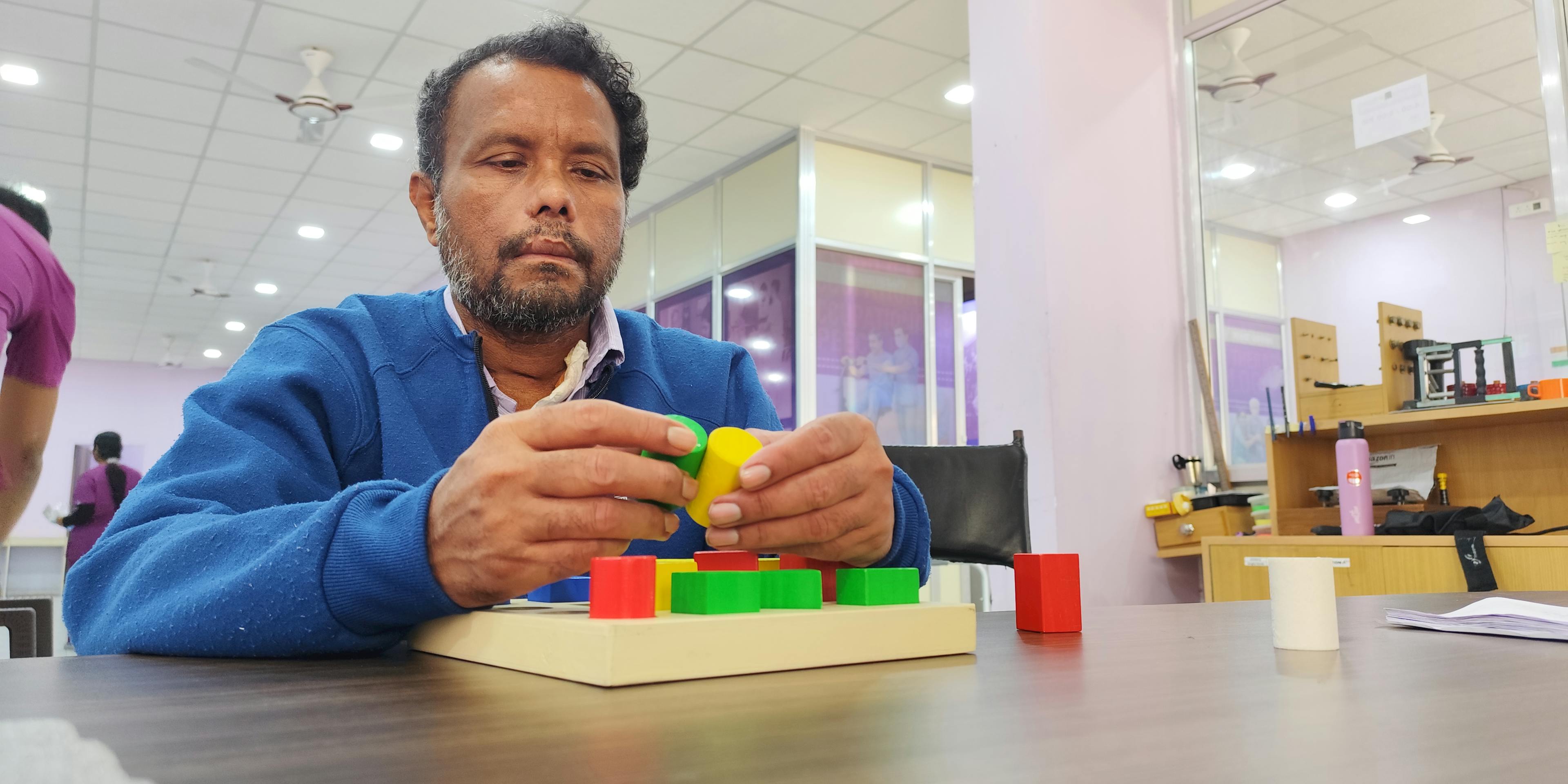
Occupational Therapy for Traumatic Brain Injuries Helps Recovery
Occupational Therapy for Traumatic Brain Injuries Helps Recovery. Discover how occupational therapy helps traumatic brain injury recovery.
Read MoreHospitals save lives. But rehabilitation centers give life back. They help people walk again, speak again, smile again, and live with dignity. Let’s talk about why their role in healthcare matters so much.
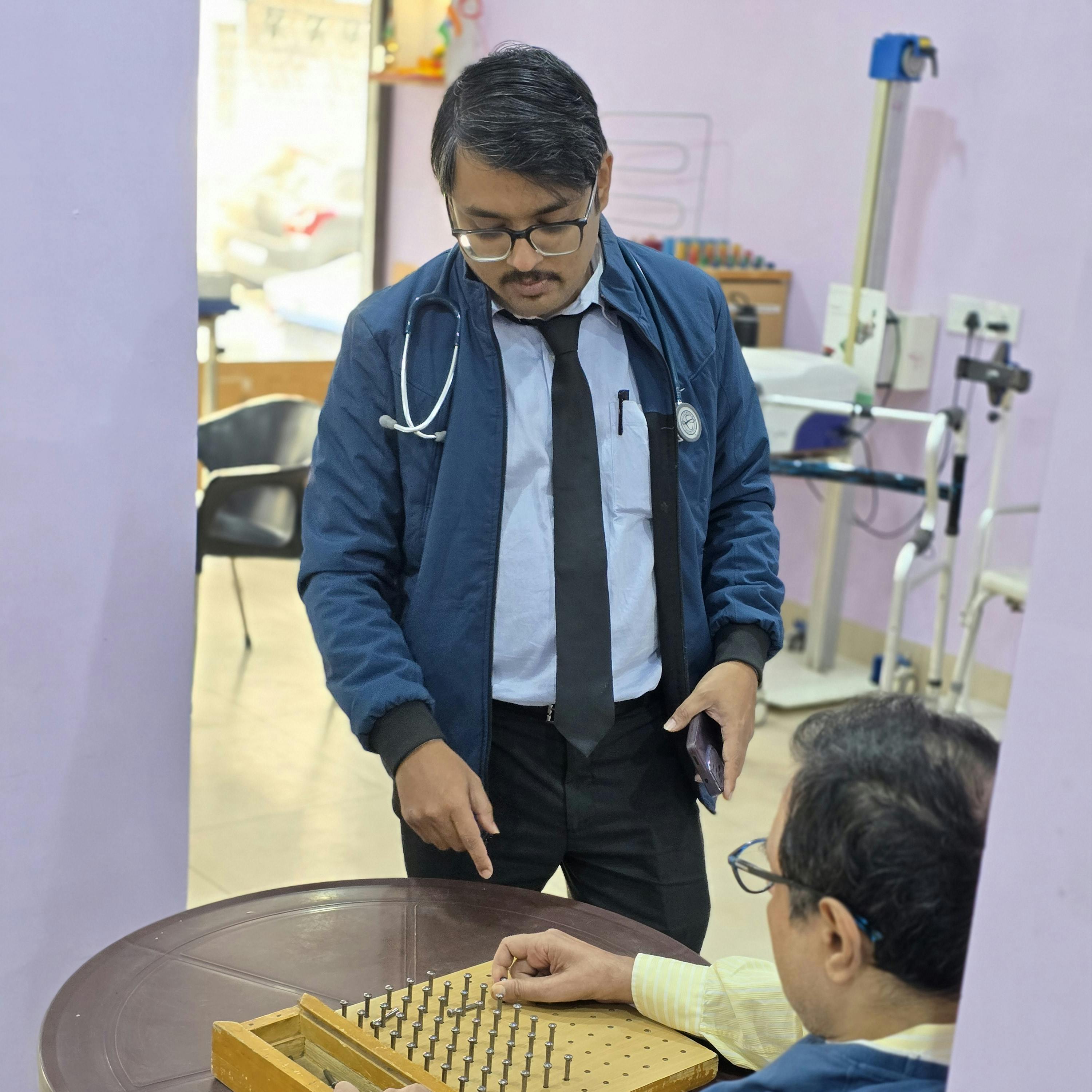
A story I see often at our centre goes like this.
A man in his 50s has a stroke. He is rushed to the hospital, where doctors and nurses do their best. They stabilize him, give him medicines, and after a week, the family is told: “He’s safe now.”
The family is relieved. But when they bring him home, a new reality unfolds. He cannot move one side of his body. He struggles to hold a spoon. Words get stuck in his throat. His wife sits by his side, helping him eat, helping him sit, helping him dress.
The hospital saved his life. But who will give him back the ability to live it?
This is where the role of a Rehabilitation Center in Kolkata becomes deeply important.
Rehabilitation is not about curing an illness. It’s about helping people regain independence, dignity, and confidence after illness, injury, or addiction. Hospitals are for saving lives. Rehabilitation centers are for giving life back.
The World Health Organization (WHO) defines rehabilitation as a set of interventions designed to optimize function and reduce disability in individuals with health conditions.
But let me put it simply:
👉 Treatment saves life. Rehabilitation restores life.
Without rehabilitation, patients may survive but remain dependent. Families feel helpless. Caregivers feel burdened.
With rehabilitation, patients slowly reclaim life.
This is why rehabilitation is not “optional.” It is a crucial part of healthcare.
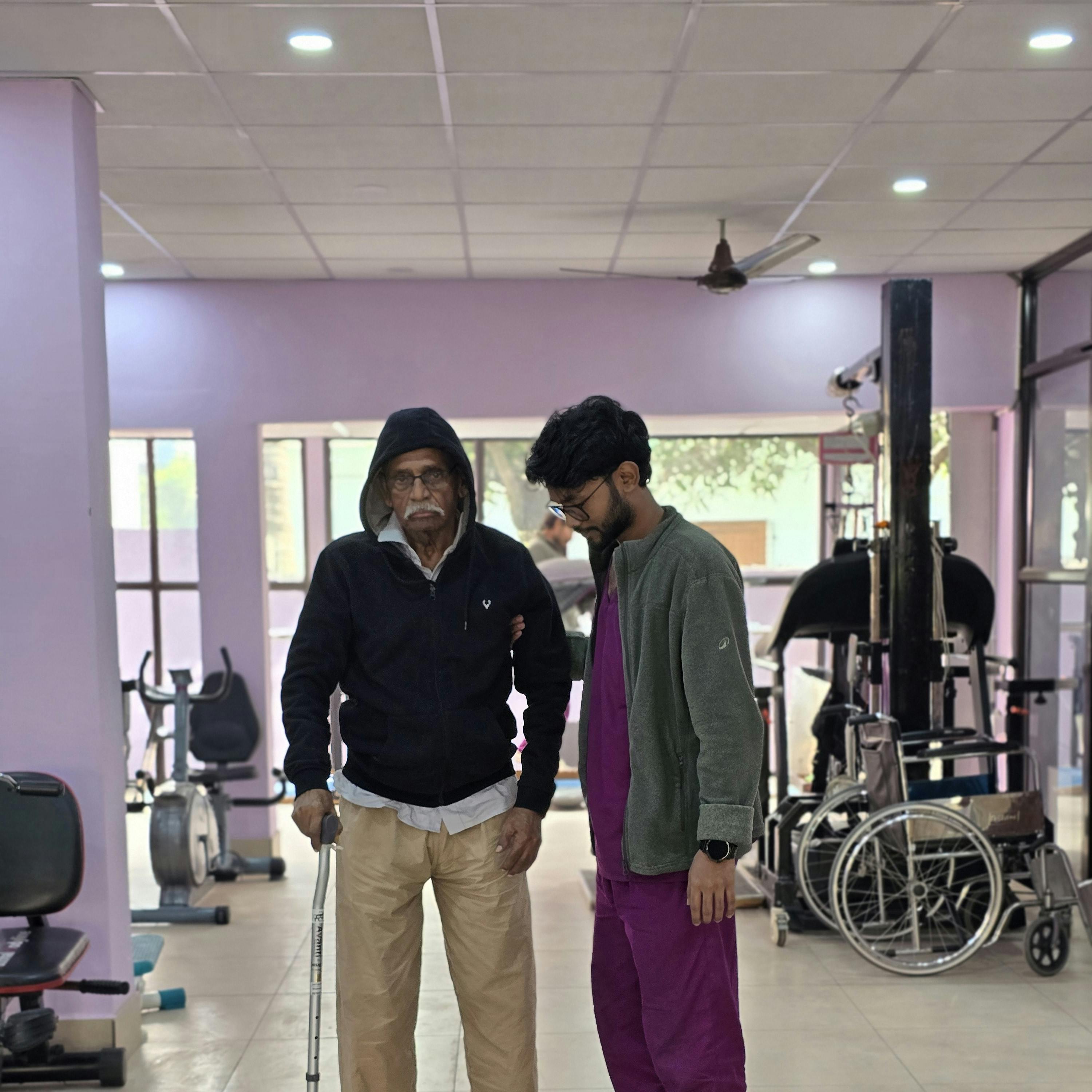
One reason rehabilitation is often ignored is because people misunderstand it. Let’s clear up some common misconceptions about rehabilitation:
Breaking these myths is one of the first roles of rehabilitation centers: teaching families that rehab is not extra, it is essential.
Read This: Challenges of Rehabilitation in India
The need for rehabilitation has never been greater.
The World Health Organization estimates that nearly 2.4 billion people worldwide may need rehabilitation at some point. That’s one in three people.
This means almost every family will face a moment when rehabilitation is needed. The question is: Will the services be there when we need them?
That’s where rehabilitation centers come in.
Recommended: What Is Rehabilitation: How It Can Transform Your Life
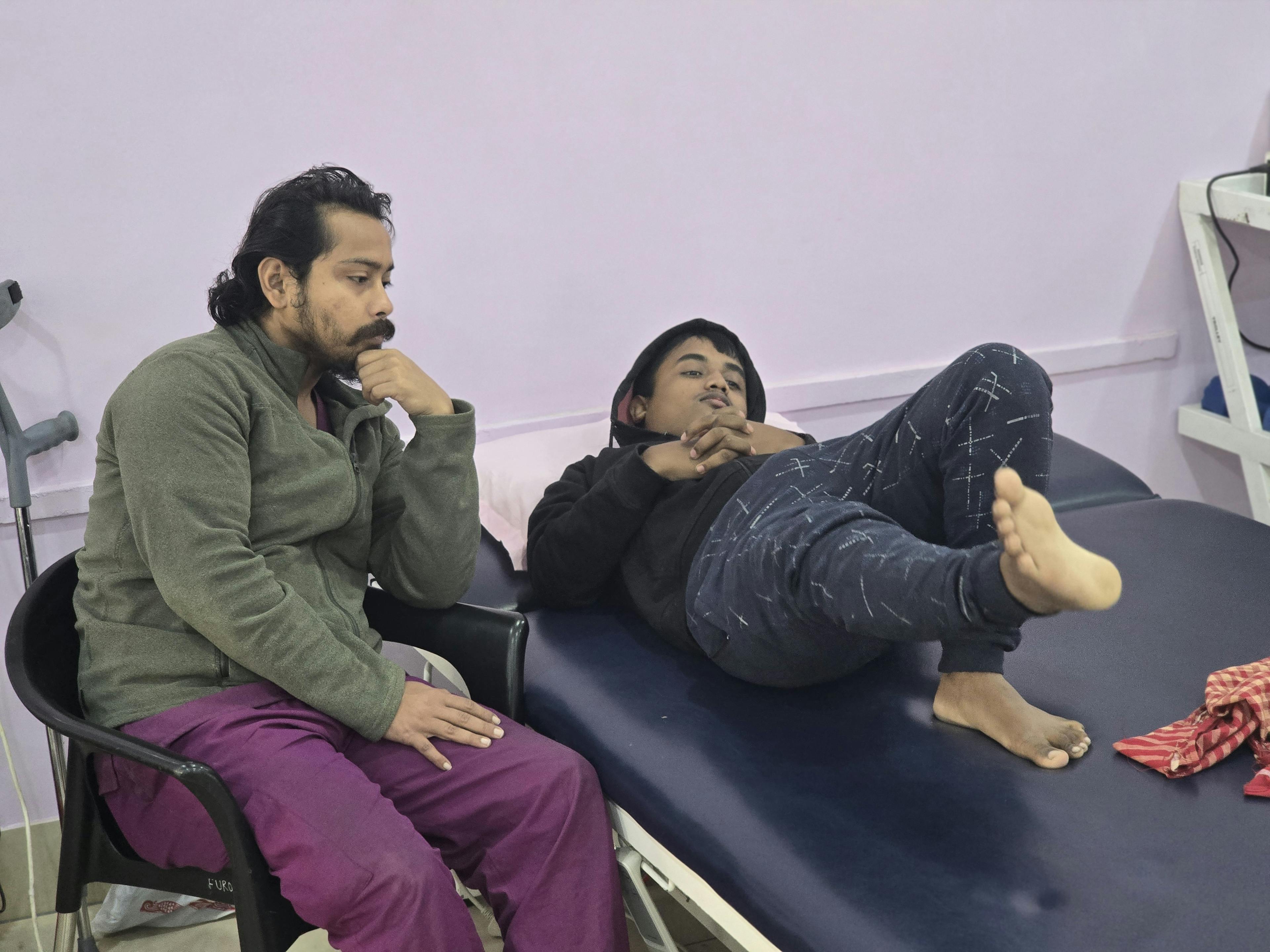
Now let’s talk about the heart of this blog, the role of rehabilitation centres in healthcare.
Hospitals focus on diseases: heart attack, stroke, fractures, cancer. But rehabilitation centres focus on people.
When a patient arrives at a rehab centre, the first questions are not, “What was the diagnosis?” but rather:
Rehab places the person at the centre of care. It’s about real life, not just medical charts.
Recovery is not one therapy, it’s a combination.
Rehab centres bring together different services into one care program:
Instead of families running from one clinic to another, a rehab centre offers all these services under one roof.
In India, families are the biggest caregivers. Spouses, children, even grandchildren take turns to care. But without proper training, families often feel lost.
Rehabilitation centers help by:
A big part of the role of rehabilitation centers is not just treating patients but supporting entire families.
One of the biggest gaps in healthcare is what happens after hospital discharge.
That’s where rehab centers step in with continuing care.
Examples:
Without continuing care, progress often stops. With it, recovery keeps moving forward.
Rehabilitation is often linked with addiction and rightly so.
Rehabilitation centers play a vital role in drug and alcohol rehabilitation. These programs provide:
But rehab is not just for addictions. It also supports patients with mental health disorders like depression, anxiety, and trauma.
This holistic care addressing both body and mind is one of the most powerful roles of rehabilitation centres.
Hospitals are busy saving lives. But when patients don’t get rehabilitation, they often return with complications bedsores, contractures, depression, or falls.
Rehab centers reduce this burden by:
This saves costs for both families and the health system.
Another important role of rehabilitation centers is training more experts.
India needs more rehabilitation professionals PMR doctors in Kolkata, physiotherapists, occupational therapists, and rehab nurses.
Rehab centres become training grounds, strengthening the health system so more patients can benefit from rehabilitation in the future.
Finally and most importantly rehabilitation centers restore dignity.
A grandmother walking to her balcony without fear of falling.
A stroke survivor holding a pen again.
A teenager smiling after breaking free from drug addiction.
These moments may look small, but they are life itself. They remind us that patients are not defined by their illness. They are people with dreams, families, and hopes.
And this is the true role of rehabilitation centres in healthcare not just recovery, but restoring dignity.
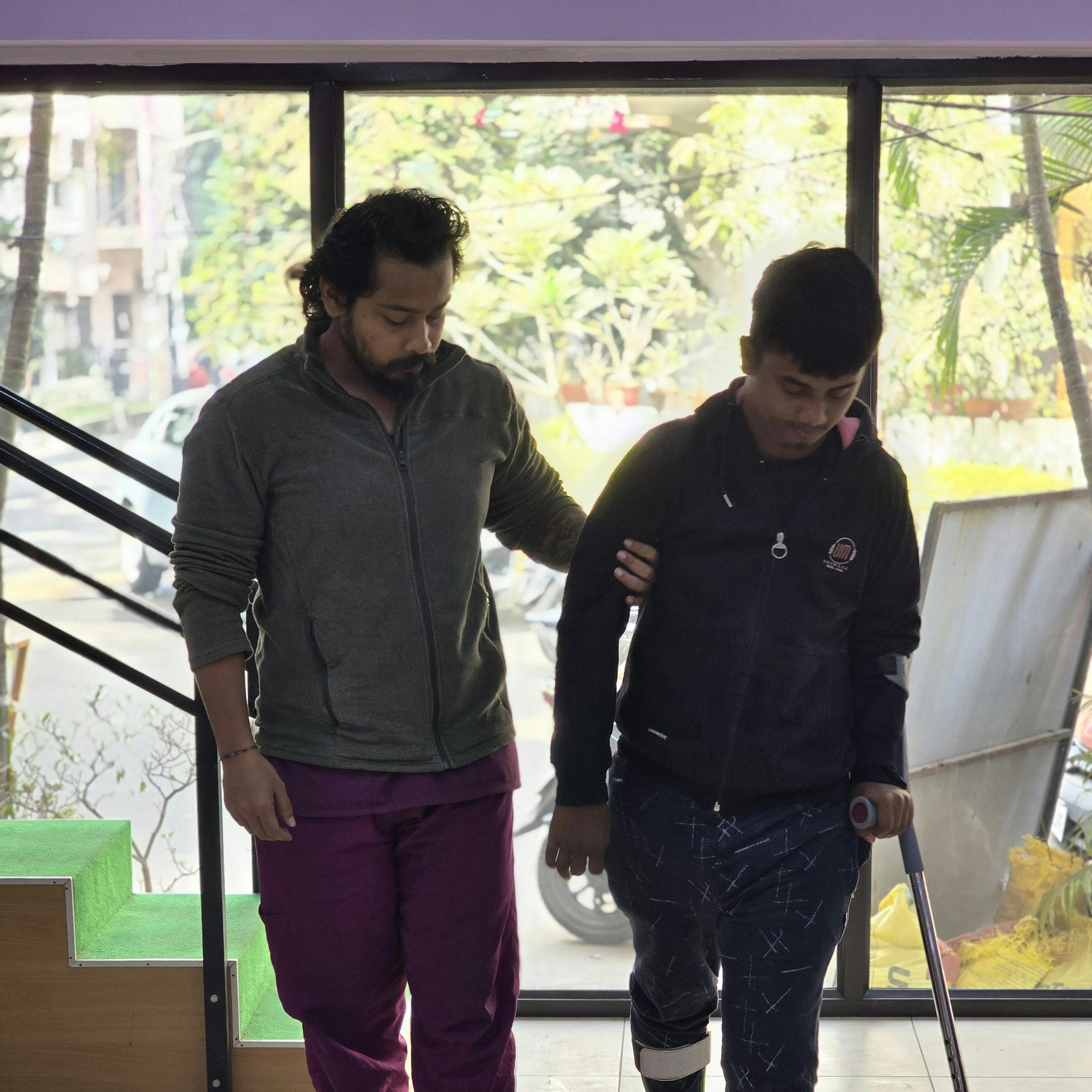
The benefits of rehabilitation centers touch every level: patients, families, and society.
Rehabilitation centres are not just clinics. They are places where survival turns into living.
More : Role of Rehabilitation Psychologist: Why Your Recovery May Depend on It
The future of rehabilitation in India is hopeful.
We will see:
The World Health Organization already calls rehabilitation a crucial part of universal health coverage. India is slowly but surely moving in that direction.
Read This: The Future of Rehabilitation Services in India: What You Must Know
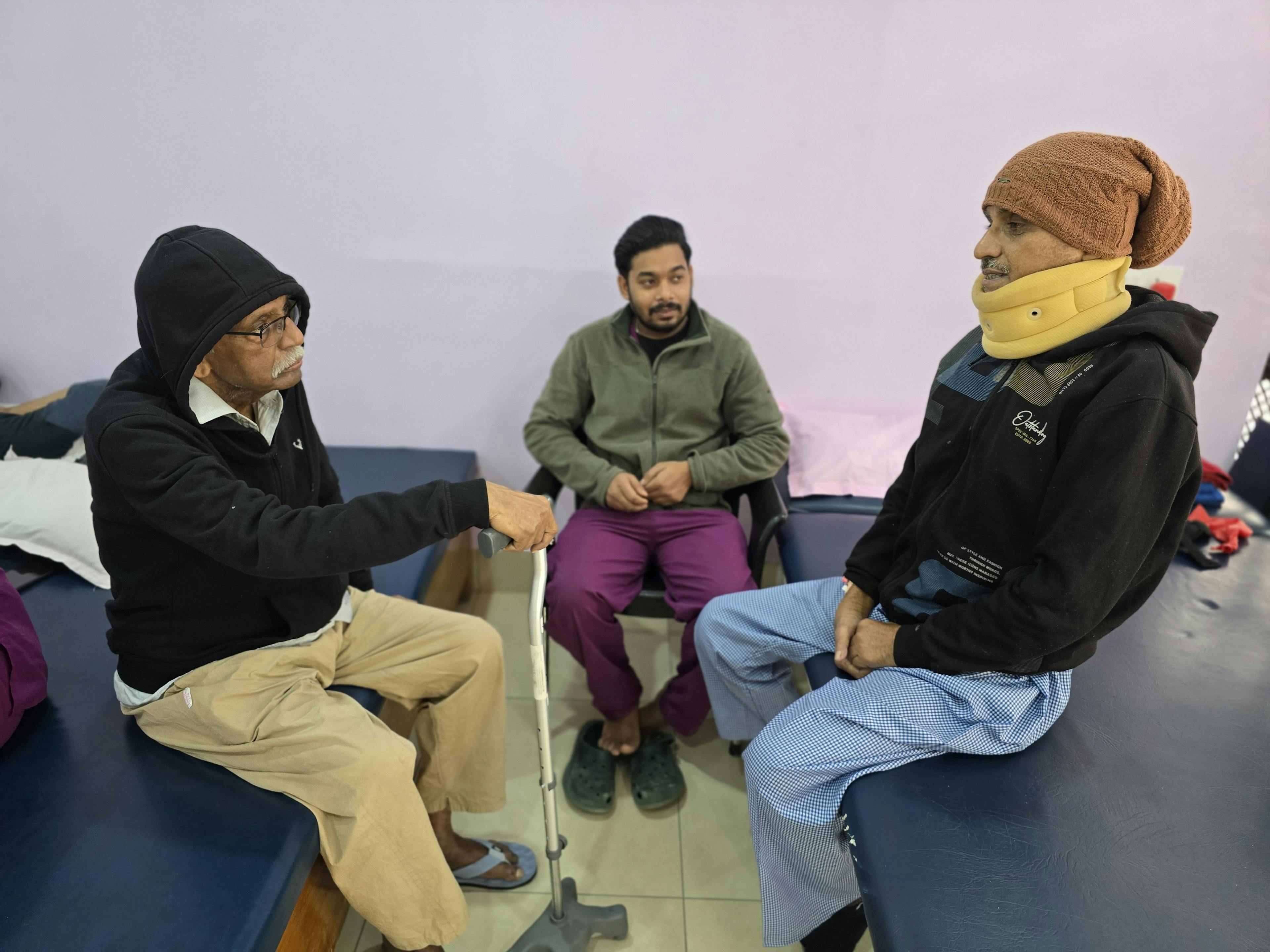
Hospitals save lives. But rehabilitation centers give life back.
They put the person at the centre, provide comprehensive care programs, support families, offer continuing care, address addiction and mental health, reduce hospital burden, train professionals, and above all, restore dignity.
The role of rehabilitation centers in healthcare is not secondary, it is central. Because every person may need rehabilitation at some point.
When that moment comes, a rehabilitation centre will be the place that helps you not just survive, but truly live again.
✨ Rehabilitation is not just about medical care it’s about hope, independence, and dignity.
Whether after illness, injury, or addiction, rehabilitation can restore independence and dignity. At Rehabana, our rehabilitation centre provides compassionate care programs designed for your recovery.
Knowledge That Guides Recovery
Get expert neuro rehabilitation tips from the doctors at Rehabana, Kolkata — simple guidance on stroke recovery, spinal cord injury rehab, Parkinson’s care, and enhancing quality of life after neurological conditions.
Occupational Therapy for Traumatic Brain Injuries Helps Recovery. Discover how occupational therapy helps traumatic brain injury recovery.
Read More
How Speech Therapy Helps Patients with Parkinson’s Disease: Learn how speech therapy can help with slur, speech and swallowing difficulties.
Read More
Speech therapy and language therapy improve communication skills. Speech-language pathologists can help with speech and language, and swallowing.
Read More