Occupational Therapy for Traumatic Brain Injuries Helps Recovery
Occupational Therapy for Traumatic Brain Injuries Helps Recovery. Discover how occupational therapy helps traumatic brain injury recovery.
Read MoreMany people use the words “treatment” and “rehabilitation” interchangeably, but they are not the same. Understanding the difference can help you make informed decisions about recovery and long-term health.
When illness or injury strikes, families often ask the same question: “Will my loved one be okay?”
Doctors and hospitals do everything to save lives. That’s what we call treatment. But very often, once the patient is discharged, families find themselves asking another question: “Now what? How do we get back to normal life?”
That’s where rehabilitation comes in.
Most people use these two words, treatment and rehabilitation, as if they mean the same thing. But trust me, after years of seeing patients at Rehabana, Best Rehab Centre In Kolkata, I can tell you they are very different. And understanding this difference can change the way you look at recovery, hope, and life after illness.
I’ll share something I see almost every day.
A father, only 55 years old, healthy and cheerful just yesterday. He was sipping morning chai at the local tea stall, laughing with his friends, planning a weekend outing with his kids. Life was normal.
Then, in one cruel moment, a stroke changed everything.
Today, his right arm refuses to move. His speech is slurred. His once-bright smile has faded into silence. His wife sits next to him, holding his hand tightly, her eyes filled with questions she doesn’t dare to ask out loud.
“Will he ever walk again? Will he ever talk like before? Will our life ever feel normal?”
This is where the line between treatment and rehabilitation becomes crystal clear.
Think like this:
Treatment builds the foundation.
Rehabilitation makes it into a home you can actually live in.
Treatment is what happens first. It’s urgent, and without it, life would simply be lost.
It’s the surgery that removes a clot.
It’s the medicine that brings down fever.
It’s the injection that saves you from infection.
It’s the hospital care that makes sure you survive.
Let’s take an example.
Imagine Ramesh, who slipped and fell badly. He fractured his leg. Doctors rushed him to surgery, fixed the bone with plates and screws, gave medicines for pain, and made sure the wound healed.
That was treatment. Without it, his leg would never have healed.
But when Ramesh got home, reality hit him hard. He couldn’t walk without help. Climbing stairs was impossible. He needed his wife’s support even to go to the bathroom. His leg was “treated,” but his life was not yet whole.
This is where the next step begins, rehabilitation
Know more: Challenges of Rehabilitation in India | Why Families Struggle
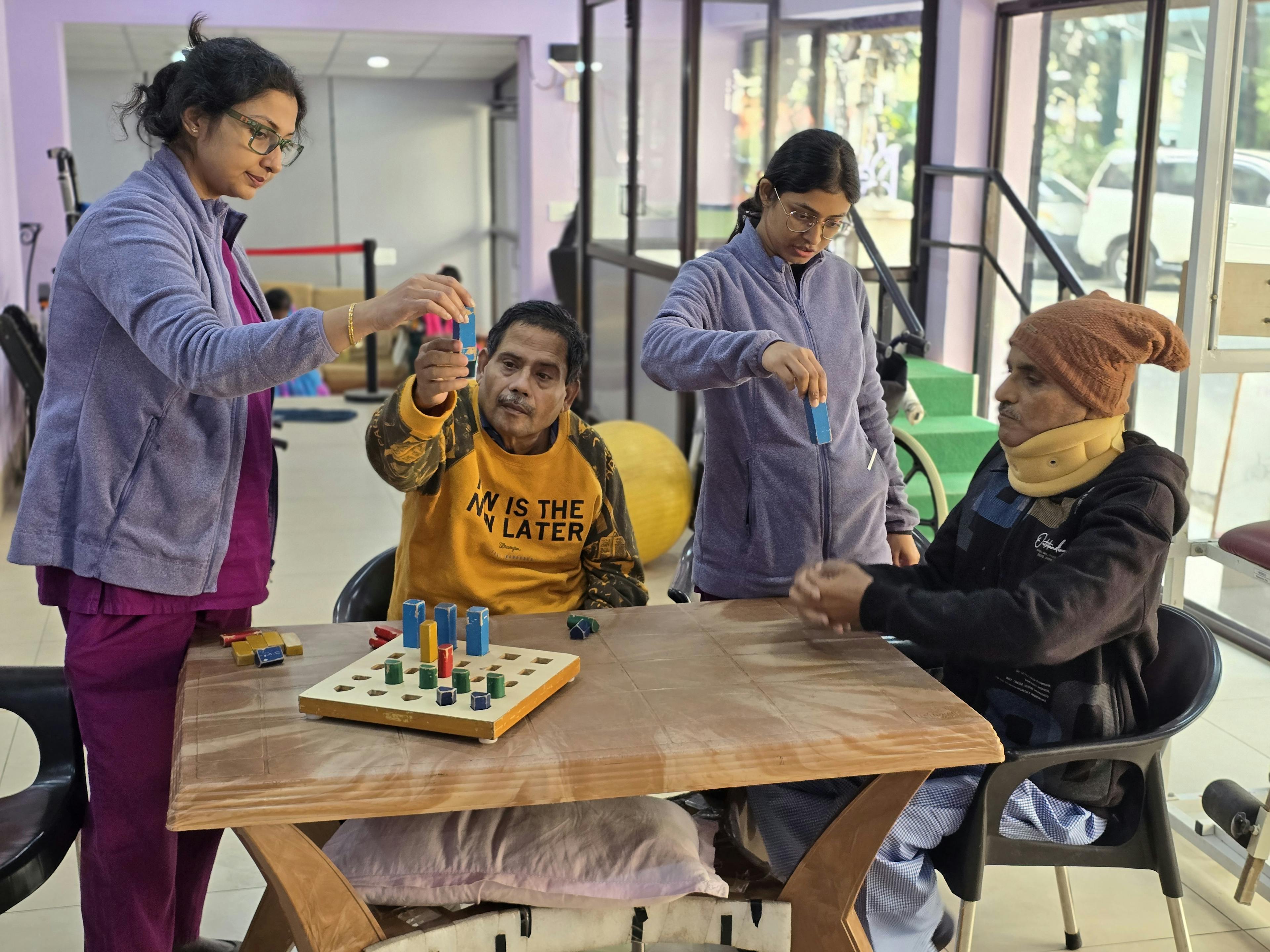
Rehabilitation is not about quick fixes. It’s not about a single pill or surgery.
It’s about the slow, patient, step-by-step journey of learning to live again.
When Ramesh started physiotherapy, the first day was tough. He could barely stand. He looked at the therapist with frustration: “Will I ever walk properly again?”
The therapist smiled and said, “Not today. But one step at a time, you will.”
Day after day, he returned. Slowly, his steps grew stronger. Occupational therapy taught him how to manage daily chores. Within months, he wasn’t just walking he was climbing stairs, cooking tea, and laughing again.
That’s what rehabilitation does. It turns despair into possibility.
It’s about small victories that mean the world:
Rehabilitation is not just about recovery of the body. It’s about restoring dignity, independence, and hope. A trusted Rehabilitation Center in Kolkata can provide the right therapies, support systems, and compassionate care to help individuals reclaim their lives step by step.
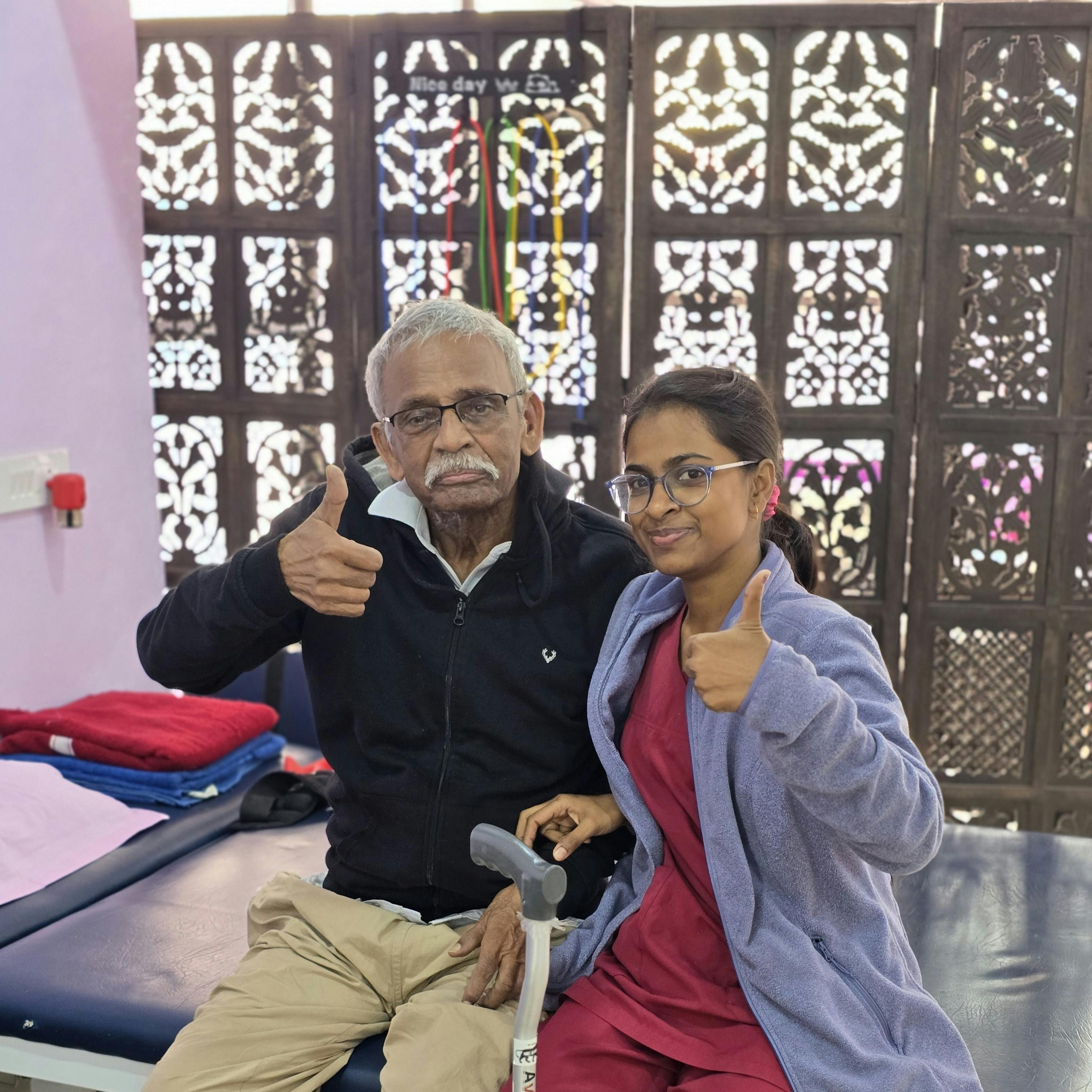
Must Read: Key Differences Between Physiotherapy and Neurotherapy
Many people think rehabilitation is only for those who meet with terrible accidents. But that’s a myth.
Rehabilitation is for anyone whose everyday life is affected by illness, injury, or disability.
Here are some examples:
The World Health Organization says nearly 2.4 billion people worldwide could benefit from rehab. That’s one out of every three people!
And yet, in India, rehab services are still rare. Families are often left to figure it out alone. That’s exactly why Rehabana exists to fill that gap, to give people a real chance at recovery.
That’s why specialized Rehabilitation Center in Kolkata like Rehabana are a lifeline.
One thing I always tell families: rehabilitation is not a one-man job.
At Rehabana, we bring together a full team to walk this journey with you:
This teamwork ensures that healing is not just about the body, but about the whole person and the whole family.
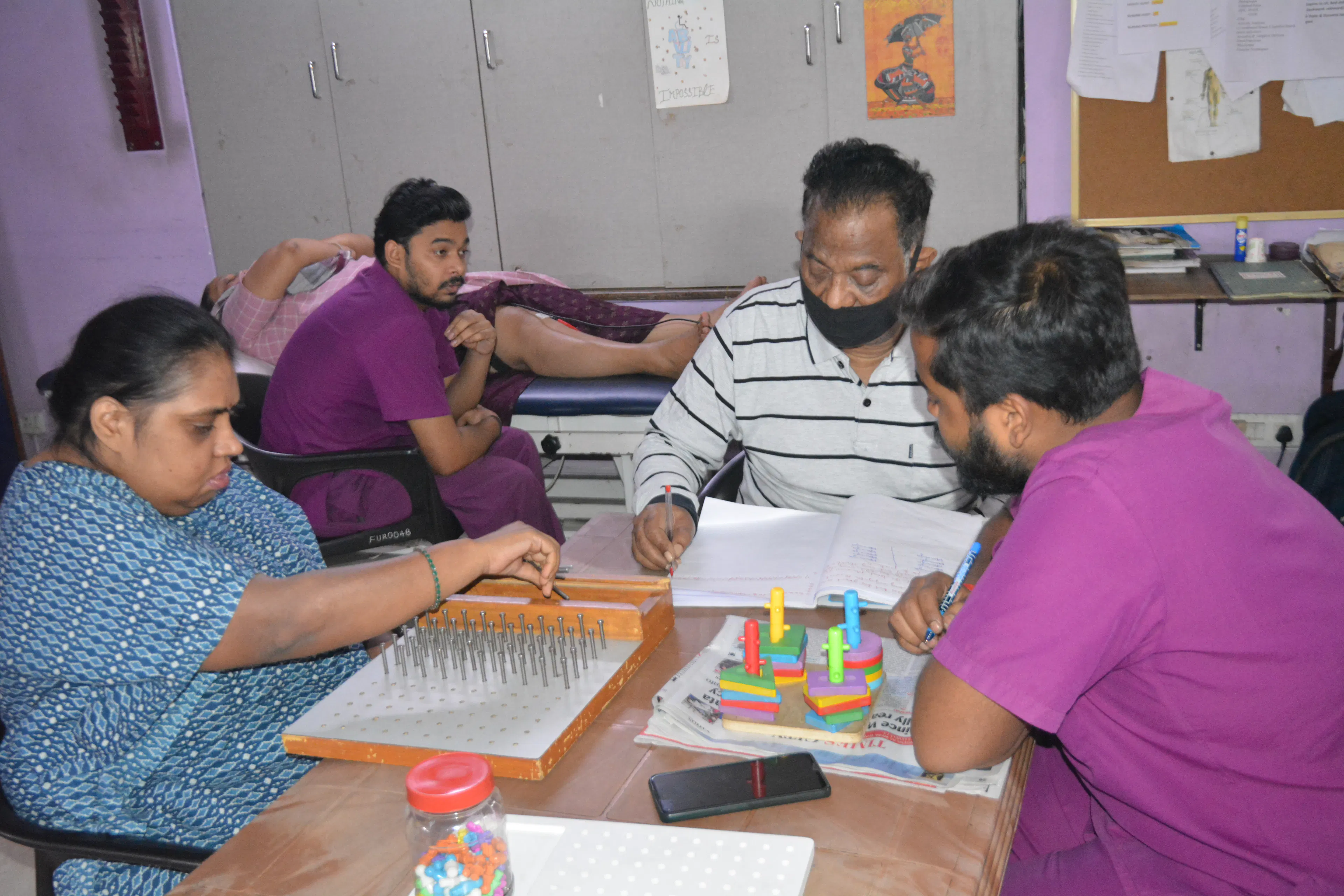
Must read: Revolutionizing Neuro Rehabilitation: The Role of Neurogenomics in Personalizing Treatment Plans
Rehabilitation doesn’t just change patients—it changes families.
Think about it:
These are not small wins. They are life-changing.
Even when full recovery is not possible, rehabilitation ensures that life is easier, more comfortable, and filled with dignity. It helps people adapt, instead of just giving up.
At Rehabana – Neuro Rehabilitation Centre in Kolkata, we believe every person deserves more than survival. They deserve a life worth living.
What makes us different?
One family told us: “We thought our father would never smile again. But now, he laughs with us. Rehabana gave him back to us.”
That’s why we do what we do.
Here’s the truth in the simplest words possible:
Treatment alone is not enough. Rehabilitation takes you beyond survival—into a life where you can walk, talk, laugh, work, and live with dignity.
At Rehabana, we say: “Neuro Rehab means Rehabana.”
Because every person deserves not just survival, but a chance to live fully again.
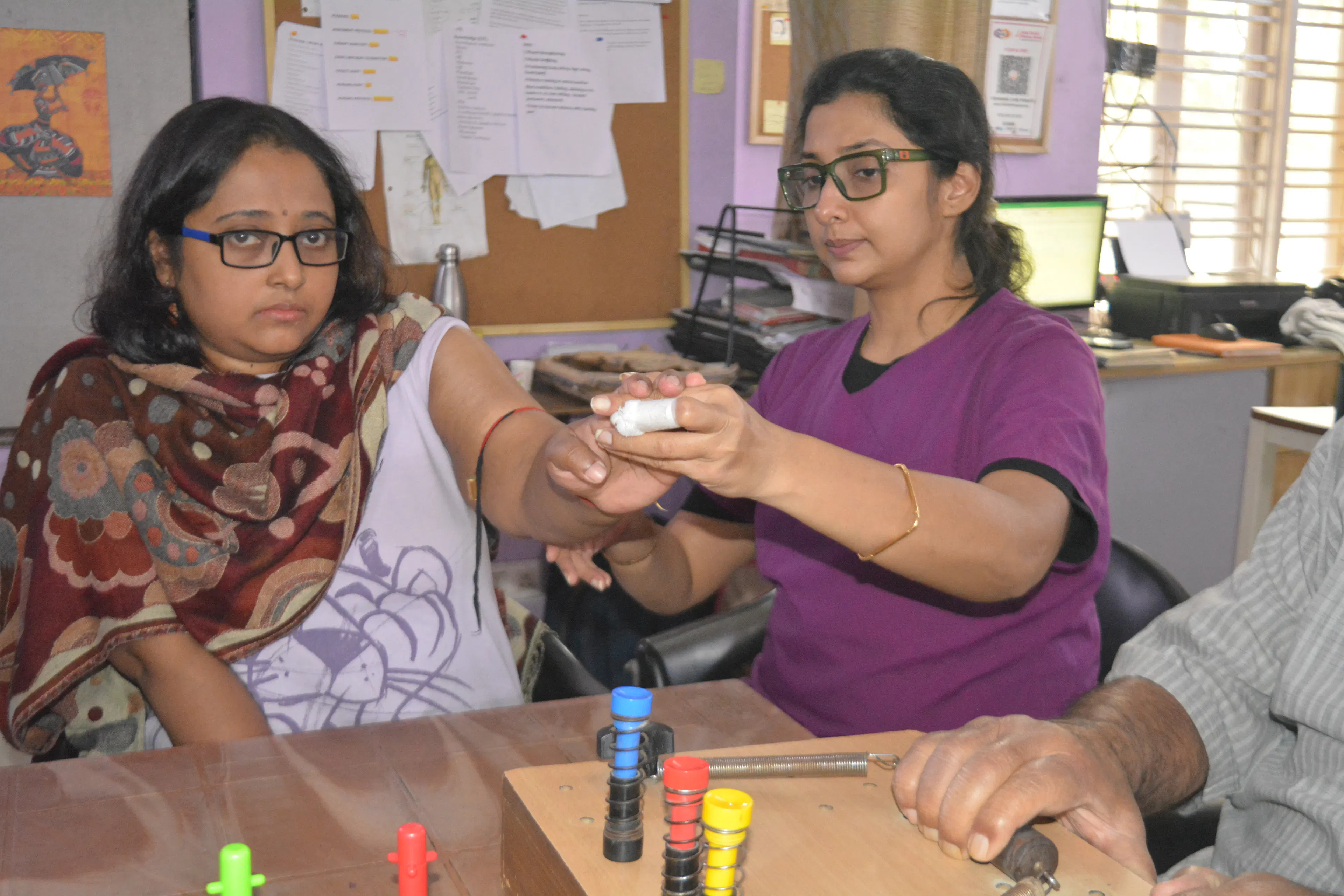
If you or your loved one is recovering from stroke, spinal injury, or any neurological condition, don’t wait. Rehabilitation works best when it starts e
Knowledge That Guides Recovery
Get expert neuro rehabilitation tips from the doctors at Rehabana, Kolkata — simple guidance on stroke recovery, spinal cord injury rehab, Parkinson’s care, and enhancing quality of life after neurological conditions.
Occupational Therapy for Traumatic Brain Injuries Helps Recovery. Discover how occupational therapy helps traumatic brain injury recovery.
Read More
How Speech Therapy Helps Patients with Parkinson’s Disease: Learn how speech therapy can help with slur, speech and swallowing difficulties.
Read More
Speech therapy and language therapy improve communication skills. Speech-language pathologists can help with speech and language, and swallowing.
Read More