Occupational Therapy for Traumatic Brain Injuries Helps Recovery
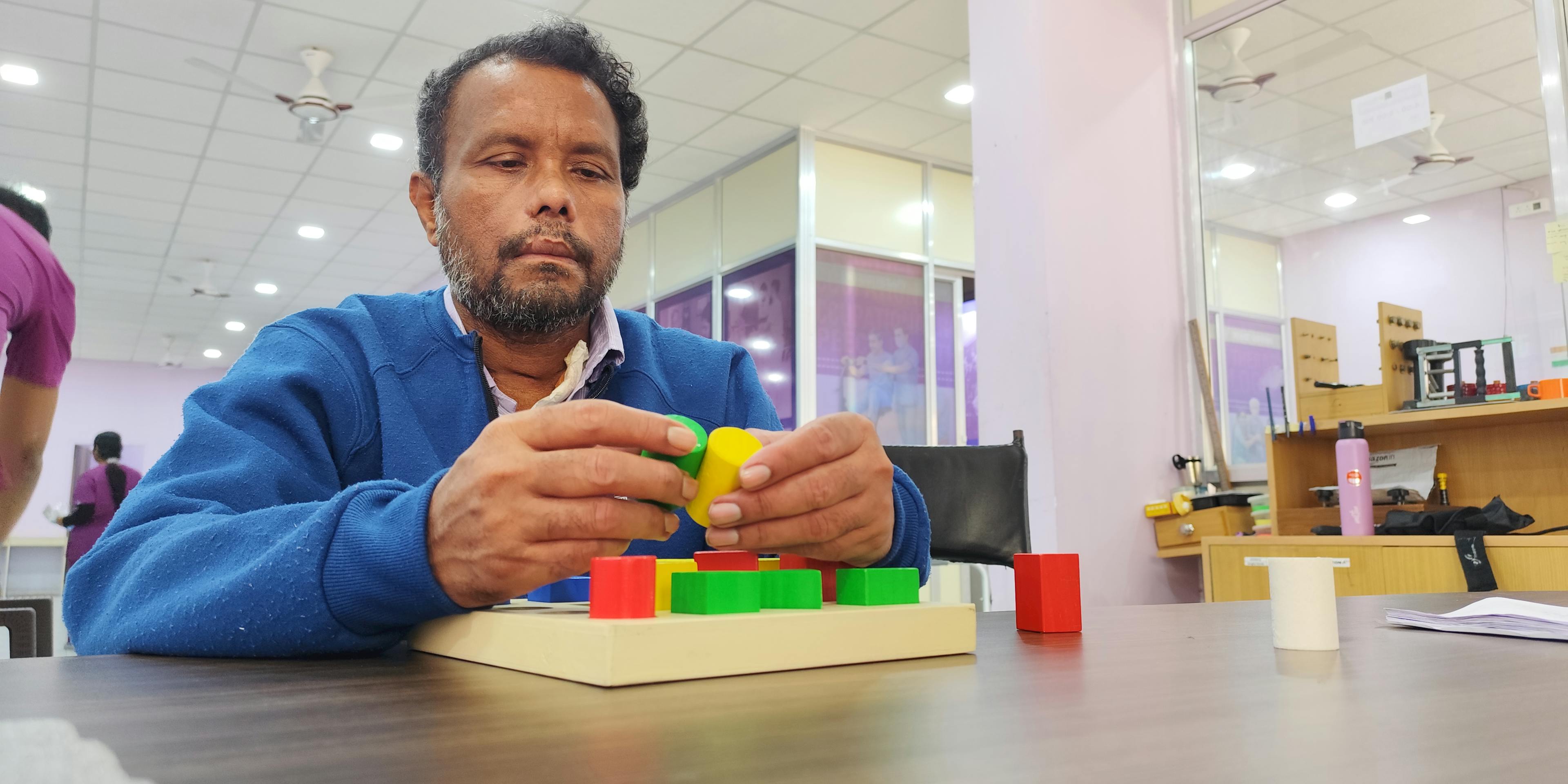
Occupational Therapy for Traumatic Brain Injuries Helps Recovery. Discover how occupational therapy helps traumatic brain injury recovery.
Read MorePhysiotherapy and rehabilitation are common terms in many healthcare routines, and they are often used interchangeably, but have distinct purposes regarding recovery and rehabilitation. Understanding the differences between the two will give patients and their families the opportunity to select the right treatment and support for improving physical health, mobility, and overall quality of life.
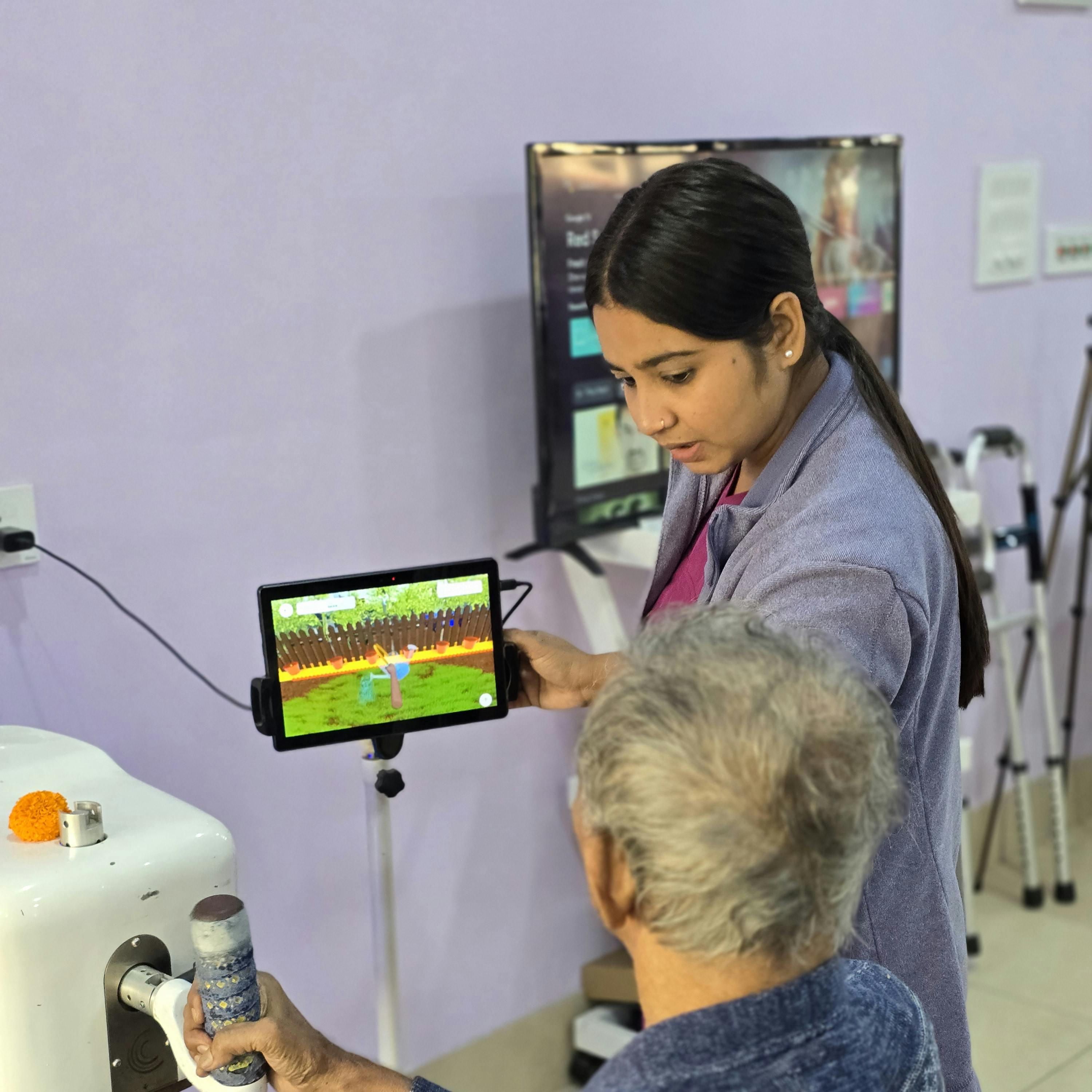
Picture this: a young woman falls down the stairs and injures her knee. The hospital treats her fractured, bony knee. Weeks later, she is having a little trouble bending her knee, climbing up the stairs, or walking comfortably. Who is going to help her regain her strength and confidence? Physiotherapy and rehabilitation!
Both aim to restore function and improve an individual's quality of life, physiotherapy is solely focused on physical recovery, while rehabilitation is multidisciplinary - including physiotherapy, occupational therapy, speech and language therapy, and much more!
Physiotherapy or physical therapy involves treatment aimed at increasing mobility, building up of strength, improvement of range of motion, and stiffness reduction. Physiotherapists or physical therapists are professionally trained individuals who understand how to improve musculoskeletal, neurological, and cardiopulmonary problems through exercises.
Most physical therapy situations are outpatient oriented, so the patient comes to the clinic intermittently. It’s extremely useful for spinal cord injury , cerebral palsy, neuromuscular disease, and recovery from brain damage.
Physiotherapy has just one easy objective: regaining strength and movement so that daily living activities, or daily tasks, are achievable again.
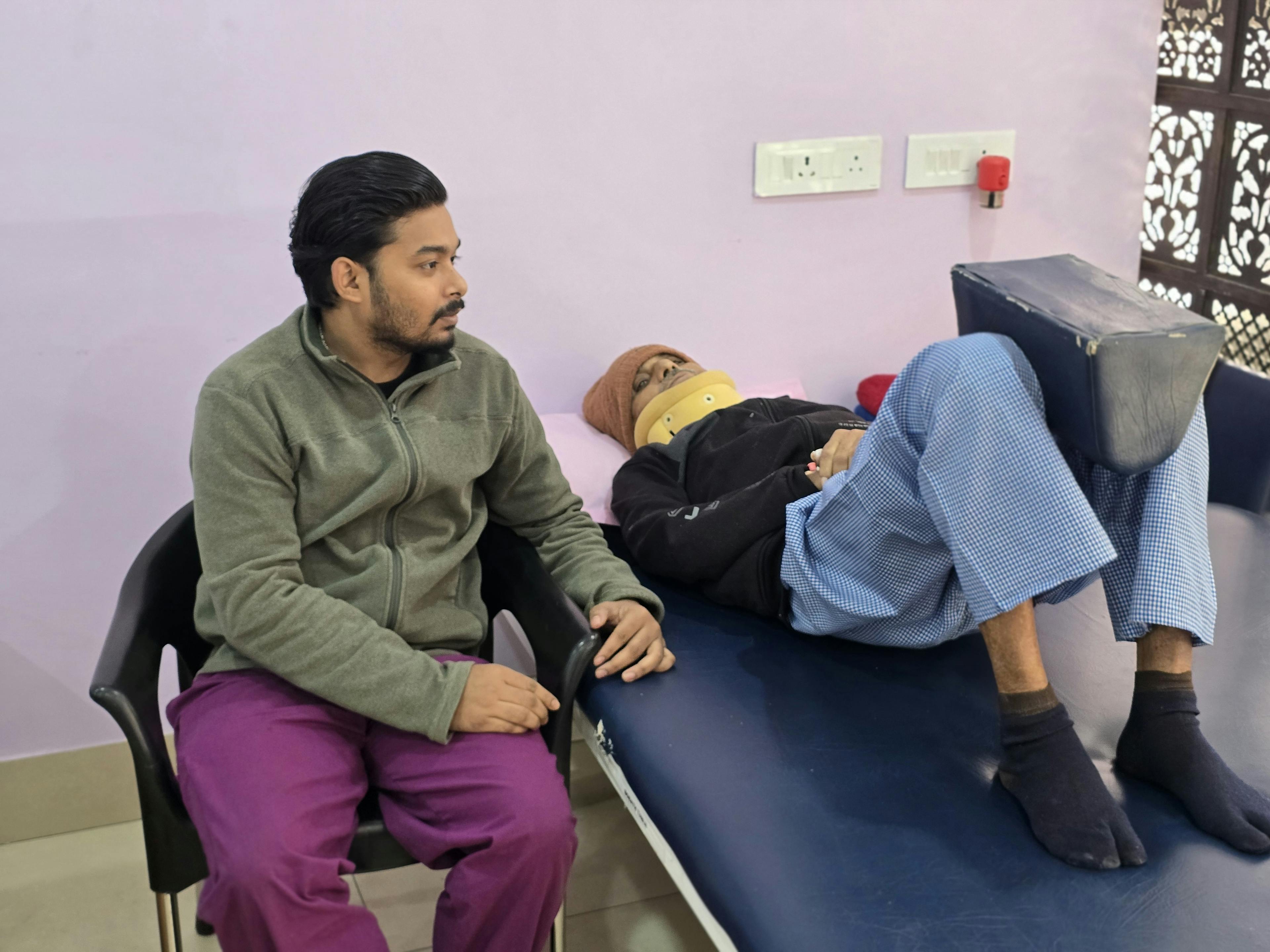
Read more: Physiotherapy in Kolkata : 5 Cutting-Edge Techniques
Rehabilitation is multidisciplinary – IT’S A TEAM WORK led by a doctor who specialises in rehabilitation who sets realistic goals after examining the patient. A physical therapist is only a part of that team. It helps people achieve independence, function, and quality of life after injury, illness, or disability. Rehabilitation involves therapy, medication, skillful interventions and works on mental, physical, and social health.
Yet despite this importance, in many low- and middle-income countries, more than half of people who need rehabilitation never receive it.
Rehabilitation tends to be multi-disciplinary, with rehabilitation teams consisting of Rehab Physicians, Neurologists, Orthopedists, occupational and physiotherapists, speech and communication specialists, audiologists, prosthetists and orthotists, psychologists, and nursing staff. In consultation, they develop an individualised programme of rehabilitation appropriate for the patient’s state of health and ambitions.
At a trusted Rehabilitation Center in Kolkata, these professionals work closely under the leadership of a Physiatrist or PMR Doctor in Kolkata (MBBS, MD in Physical Medicine & Rehabilitation) to ensure that every aspect of care – medical, physical, and emotional is addressed.
Rehabilitation has its ultimate goal of not just treating the symptomatic presentation, but of allowing people to live independent and constructive lives irrespective of their reduced function or mobility.
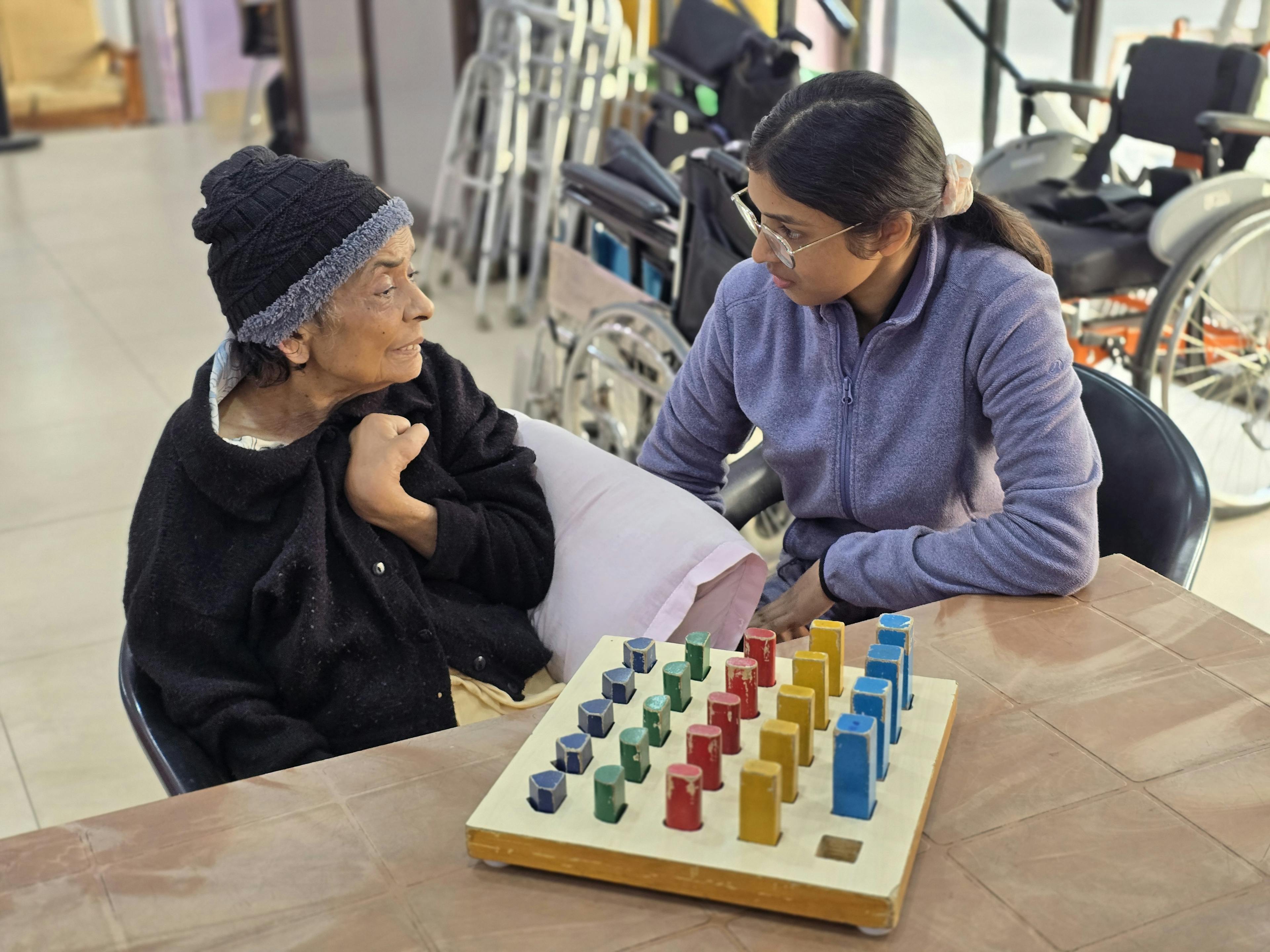
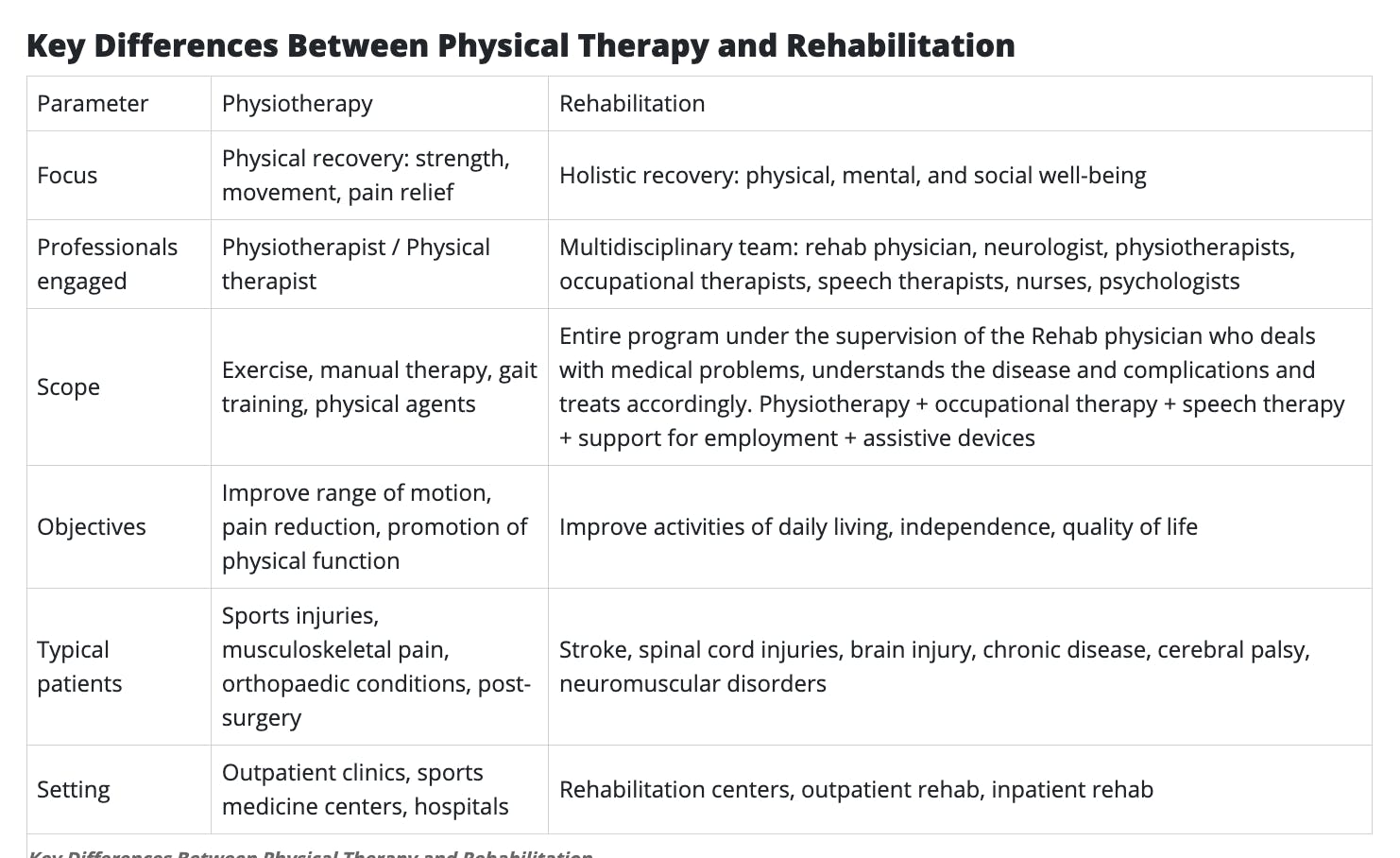
Must read: Key Differences Between Physiotherapy and Neurotherapy
A multidisciplinary rehabilitation program have life-changing benefits:
Research has determined that structured rehabilitative interventions reduce long-term disability, improve social participation, and enhance overall independence.
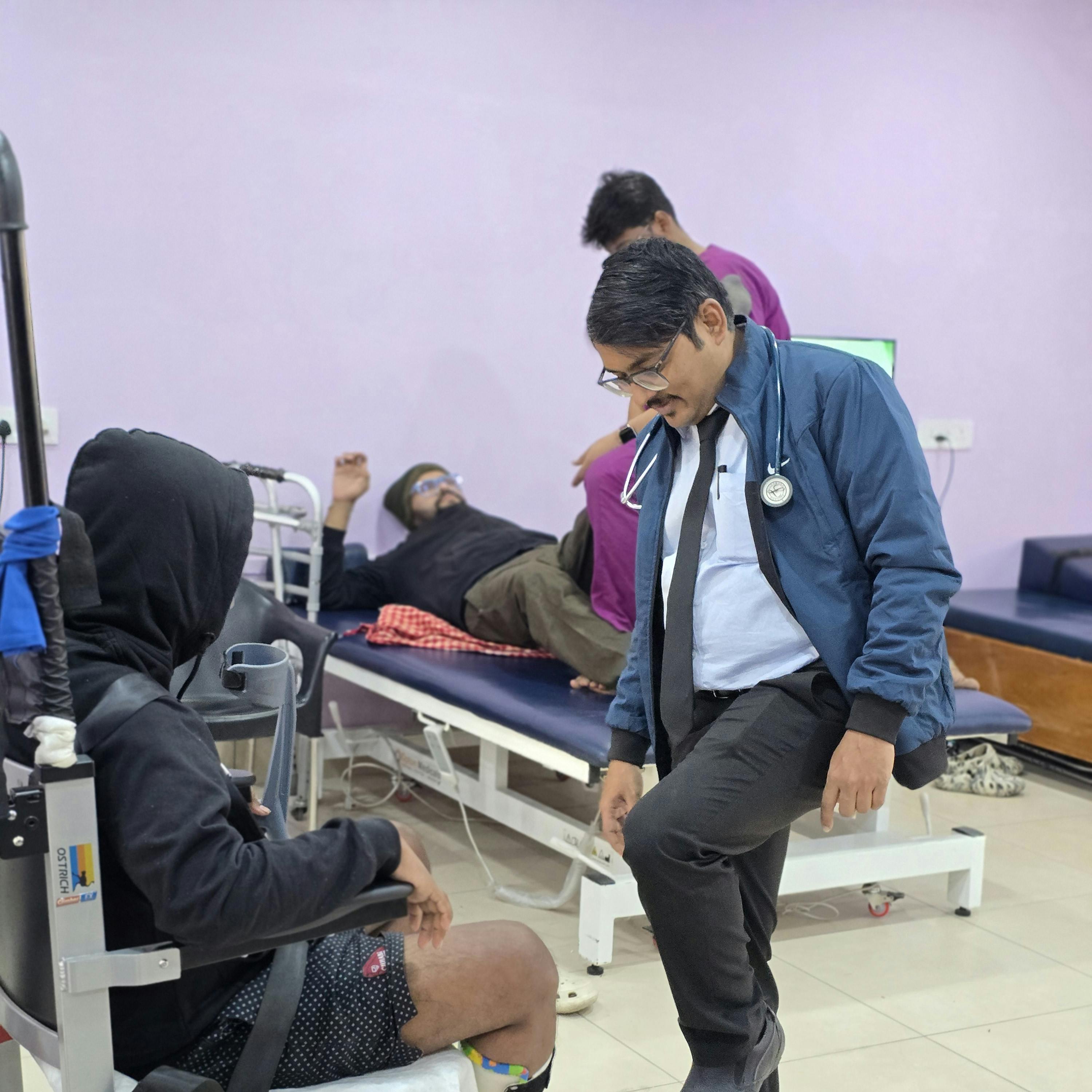
In the rehabilitative team, physiotherapists are concerned with:
Physiotherapy generally comprises the first element of a programme of rehabilitation. By restoring movement and function, patients are made able to participate more actively in other therapies like occupational therapy and speech therapy.
Rehabilitation doesn’t imply recovery from bodily harm; it means resuming living on your own. Some of its advantages are:
It has been found that structured rehabilitative programs are linked with lower long-term health costs, diminished disability, and higher overall social participation.
When looking for rehabilitative services, consider:
Such bodies as the World Health Organization advocate for the need for widely available rehabilitative services for people of every age
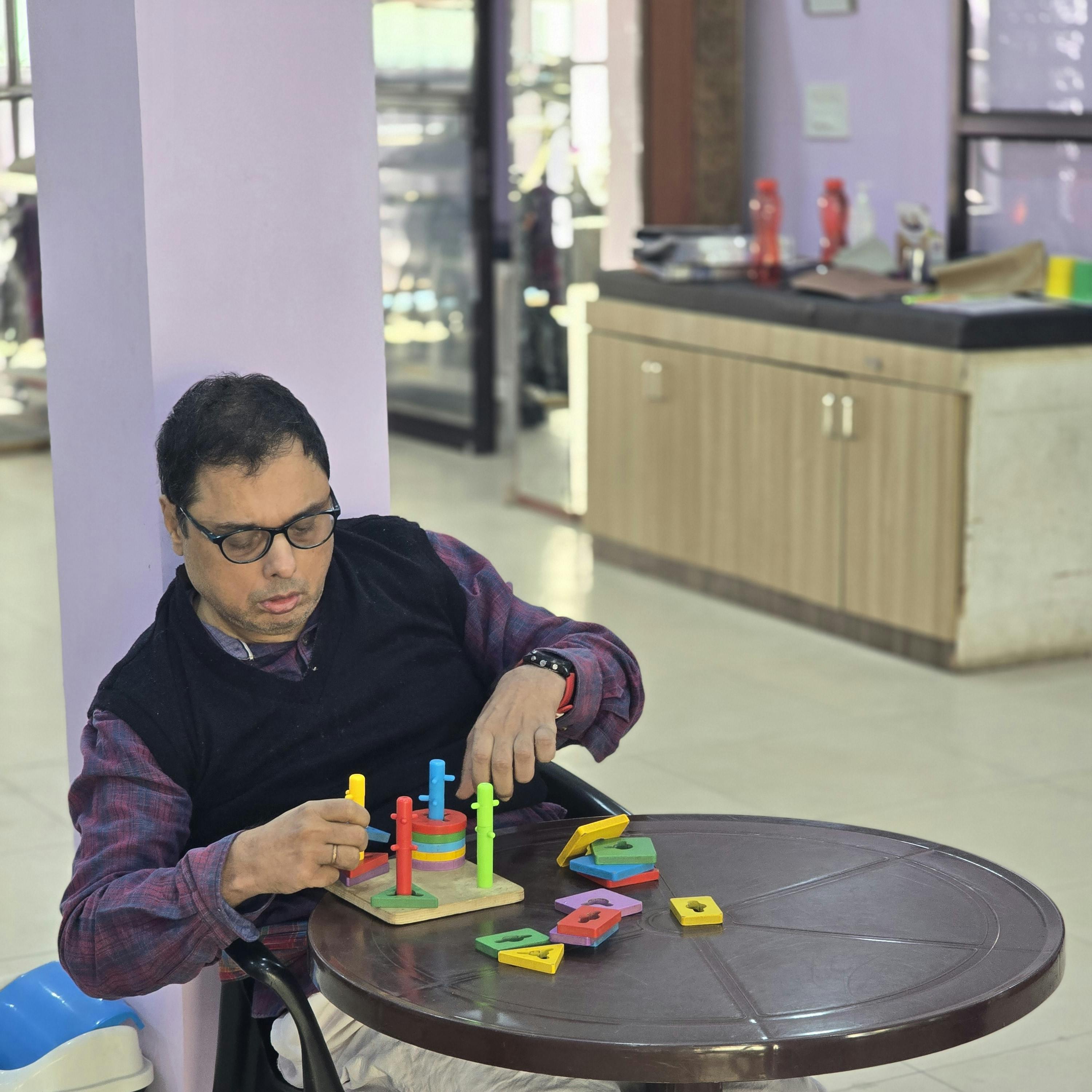
Know more: Rehabilitation vs. Therapy: What’s the Difference & Why It Matters
At Rehabana – Neuro Rehabilitation Centre Kolkata, we understand that recovery is more than bringing health back to the body – it means bringing hope, independence, and dignity back.
This is how we assist:
From recovery from stroke to spinal cord damage, brain injury, and long-term disease management, the team at Rehabana walks with patients, reveling in each small victory. Families will comment: “We assumed life would never return to normal again, but now he laughs and walks with us.”
Rehabana personalizes, empathizes, and gets results, restoring function, confidence, and quality of life for individuals.
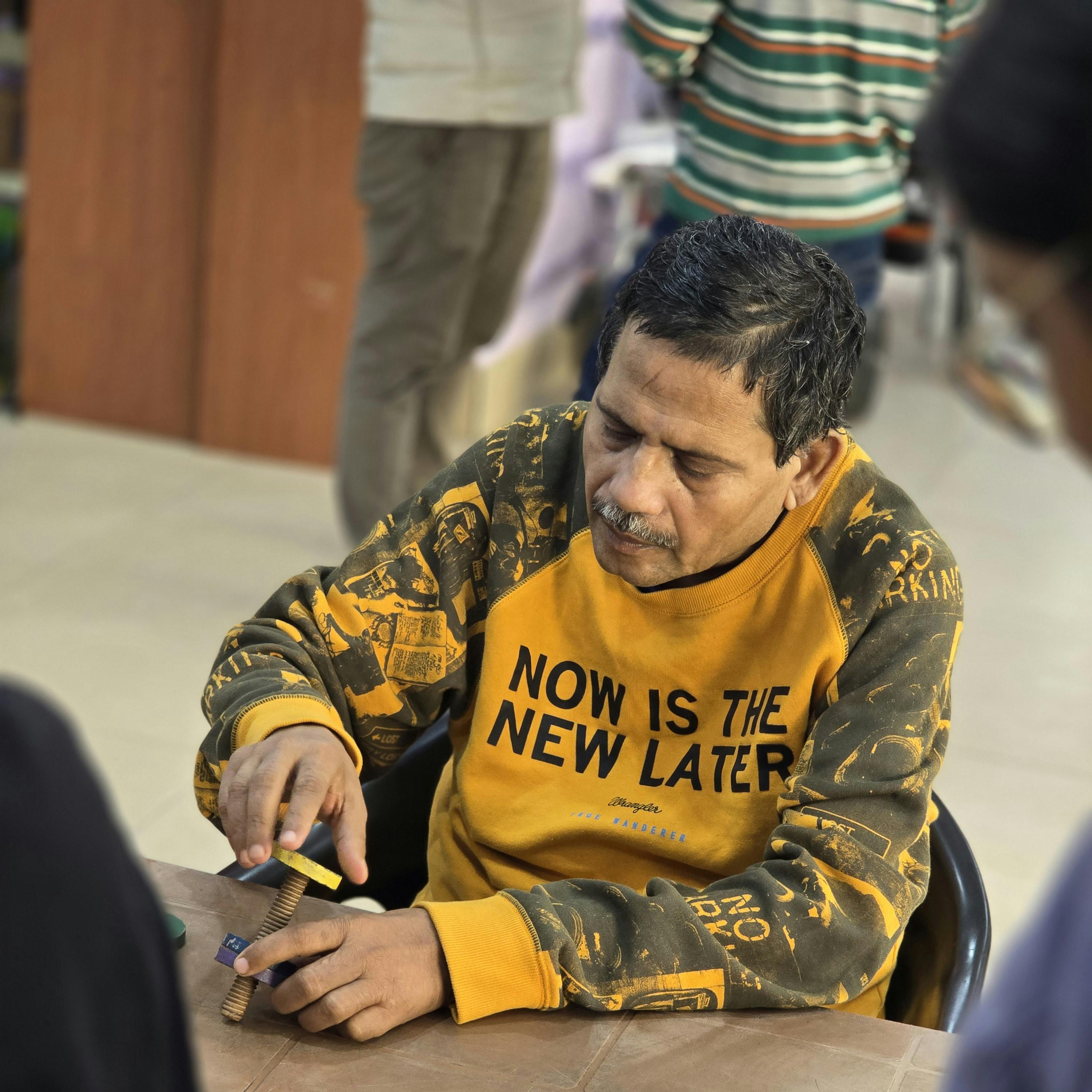
Rehabilitation and physiotherapy are not at all the same thing. Rehabilitation is a much broader term which involves teamwork and it is led by a rehab doctor/physician. Physiotherapy is one of the specialities involved in teamwork.
Physiotherapy restores function, movement, and physical strength, whereas rehabilitation unites these activities with occupational therapy, speech therapy, assistive technologies, and counseling so people are able to live efficiently and purposefully. The disease well understood by the doctor leads the team with utmost efficiency.
Despite recovery from spinal cord injury, stroke, sports injury, brain injury, or disease, rehabilitative programs assemble specialists with the aim of restoring lives, step by step.
Shared at their very foundation are the intentions of quality of life enhancement, extended mobility, and enabling the capability for function in the activities of daily living.
Keep this in mind: Rehabilitation isn’t so much physically repairing. It’s restoring hope, independence, and personal pride, one small victory at a time.
Whether your family or you are set to benefit from physiotherapy or a complete rehabilitation process, start now with expert care, help, and guidance from Rehabana.
Knowledge That Guides Recovery
Get expert neuro rehabilitation tips from the doctors at Rehabana, Kolkata — simple guidance on stroke recovery, spinal cord injury rehab, Parkinson’s care, and enhancing quality of life after neurological conditions.
Occupational Therapy for Traumatic Brain Injuries Helps Recovery. Discover how occupational therapy helps traumatic brain injury recovery.
Read More
How Speech Therapy Helps Patients with Parkinson’s Disease: Learn how speech therapy can help with slur, speech and swallowing difficulties.
Read More
Speech therapy and language therapy improve communication skills. Speech-language pathologists can help with speech and language, and swallowing.
Read More