Occupational Therapy for Traumatic Brain Injuries Helps Recovery
Occupational Therapy for Traumatic Brain Injuries Helps Recovery. Discover how occupational therapy helps traumatic brain injury recovery.
Read MoreAt Rehabana, we often say recovery isn’t just about walking again, it’s about living again. That’s exactly where occupational therapy makes the difference. Here’s how it helps people regain independence and joy in daily life.

You know, when families come to Rehabana, they rarely come looking for just therapy.
They come with heavy hearts, full of questions and quiet hope. Someone always says softly, “He can walk a little now, but his hands don’t listen.” Or, “She’s trying to do things, but she can’t manage alone.”
And that’s where our journey together begins.
Because rehabilitation isn’t just about moving again. It’s about living again — being able to do all the little things that make life feel normal: buttoning a shirt, eating a meal, hugging your child.
That’s what occupational therapy, or OT, truly means.
If physiotherapy helps your body move, occupational therapy helps you live — to find joy and meaning in daily life once more.
Let me explain this simply.
Occupational therapy is a type of care that helps people of all ages perform daily activities that give life purpose, what we call “meaningful activities.” The word occupation here doesn’t mean your job. It means whatever occupies your time and gives your day meaning getting dressed, cooking, writing, even playing with your grandchildren.
When illness, injury, or a condition like stroke, spinal cord injury, or cerebral palsy affects those abilities, an occupational therapist helps you get them back step by step, day by day.
The American Occupational Therapy Association says OT helps people “participate in the things they want and need to do through the therapeutic use of everyday activities.”
And that’s exactly how we see it at Rehabana. Every small task in therapy connects directly to real life.
You’ll often hear us say:
“It’s not just practice. It’s preparation for living.”
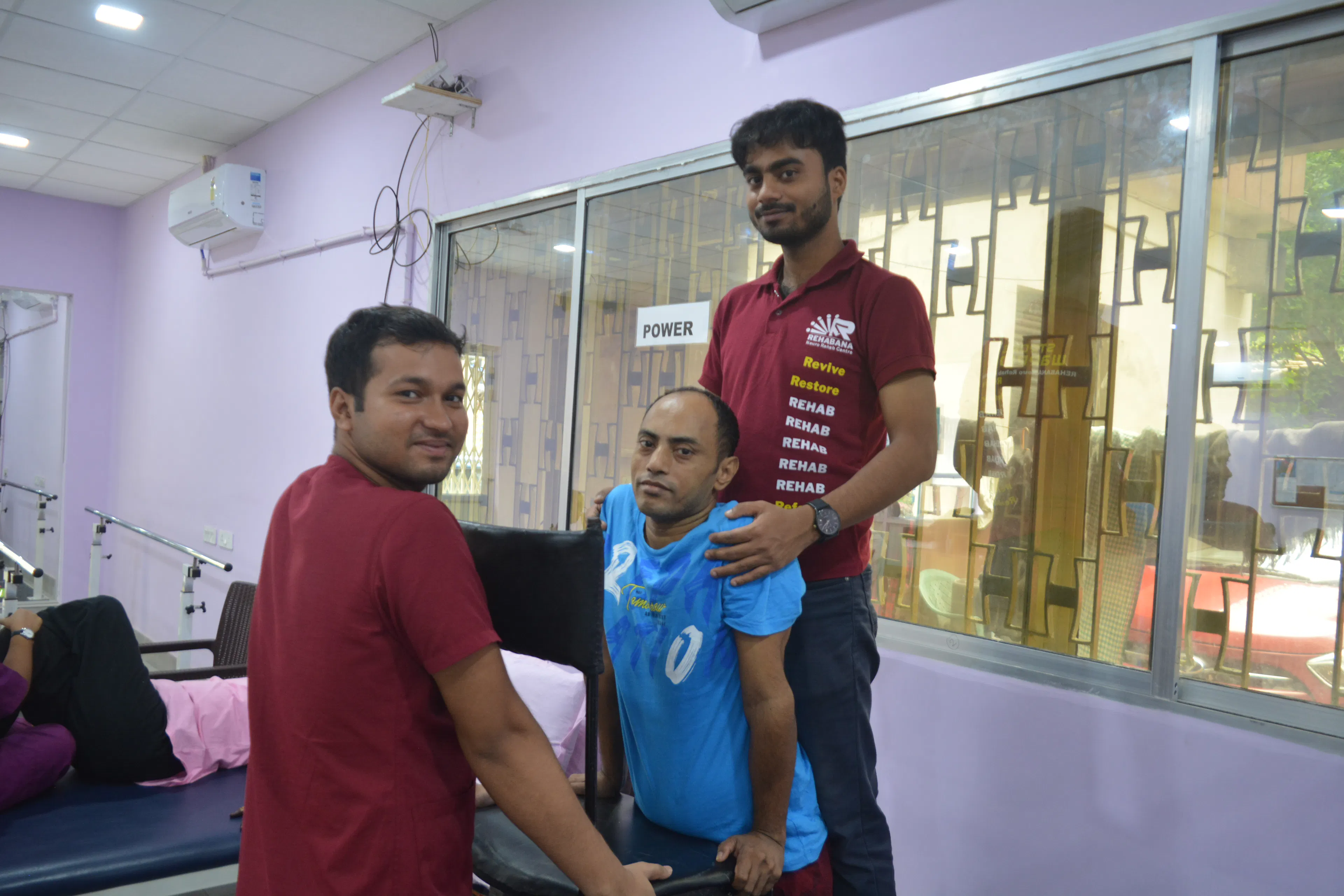
An occupational therapist works with you not just on what your body can do, but on what matters most to you.
Sometimes, that means learning how to brush your teeth again after a stroke.
Sometimes, it’s teaching a child with developmental delays how to hold a pencil.
And sometimes, it’s helping an older adult manage safely at home after surgery.
To practice as an occupational therapist, one must complete a degree in occupational therapy from an accredited program, usually a master’s degree and pass a national certification exam. In India and abroad, they also maintain state licensure and continuous training.
Many therapists work with occupational therapy assistants, who help carry out therapy sessions. Together, they form a team that guides patients toward independence.
Our OTs here at Rehabana don’t just teach exercises, they build trust. They listen, adapt, and celebrate even the smallest progress. Because that’s where recovery truly begins.
After a major injury or illness, recovery feels like climbing a mountain.
At first, everything seems too far, too hard.
That’s when occupational therapy and physical therapy work together, one builds strength, the other builds function.
For example, physical therapy might help you lift your arm again.
But occupational therapy helps you use that arm to feed yourself or comb your hair.
It connects strength to life.
Occupational therapy in kolkata can help people regain independence, rebuild confidence, and reconnect with their world.
It’s not just therapy, it’s hope in motion.
And when you start doing little things for yourself again, you can see it in your eyes that spark. That moment when a patient says, “I did it on my own today.”
That’s what keeps us going.
Read more: How Occupational Therapy Supports Recovery After Brain Injury
Every condition is different. Every story is personal. But the goal of occupational therapy stays the same: helping people of all ages live independently and meaningfully.
After a stroke, people often say, “My hand just won’t listen.”
Our occupational therapy interventions focus on retraining the brain using everyday activities like folding towels or pouring water to rebuild coordination. Slowly, these small movements reconnect body and mind.
When spinal injuries change how a person moves, occupational therapists step in to help adapt.
We use adaptive equipment, teach new techniques for dressing or eating, and make home setups safer. Independence returns not in a day, but in steady steps.
In pediatric occupational therapy, children with cerebral palsy learn to use their strengths through play.
Therapists use toys, textures, and movement games to develop balance, grip, and coordination.
Parents often tell us, “He’s smiling again during therapy.” That’s when we know it’s working.
After a brain injury, memory and focus can feel scattered.
Through occupational therapy, we help rebuild attention, problem-solving, and daily planning using structured routines that make life predictable and safe again.
For people with Parkinson’s or tremor-related disorders, occupational therapists help with fine motor skills, safe movement, and energy-saving techniques. Sometimes, we suggest special spoons or grips, small tools that restore independence in a big way.
Ageing comes with its own challenges arthritis, balance issues, or memory decline.
We work closely with older adults to strengthen mobility, maintain balance, and use special equipment for safety. It’s about staying active, confident, and safe at home.
For children and adults alike, therapy looks different, but the heart is the same.
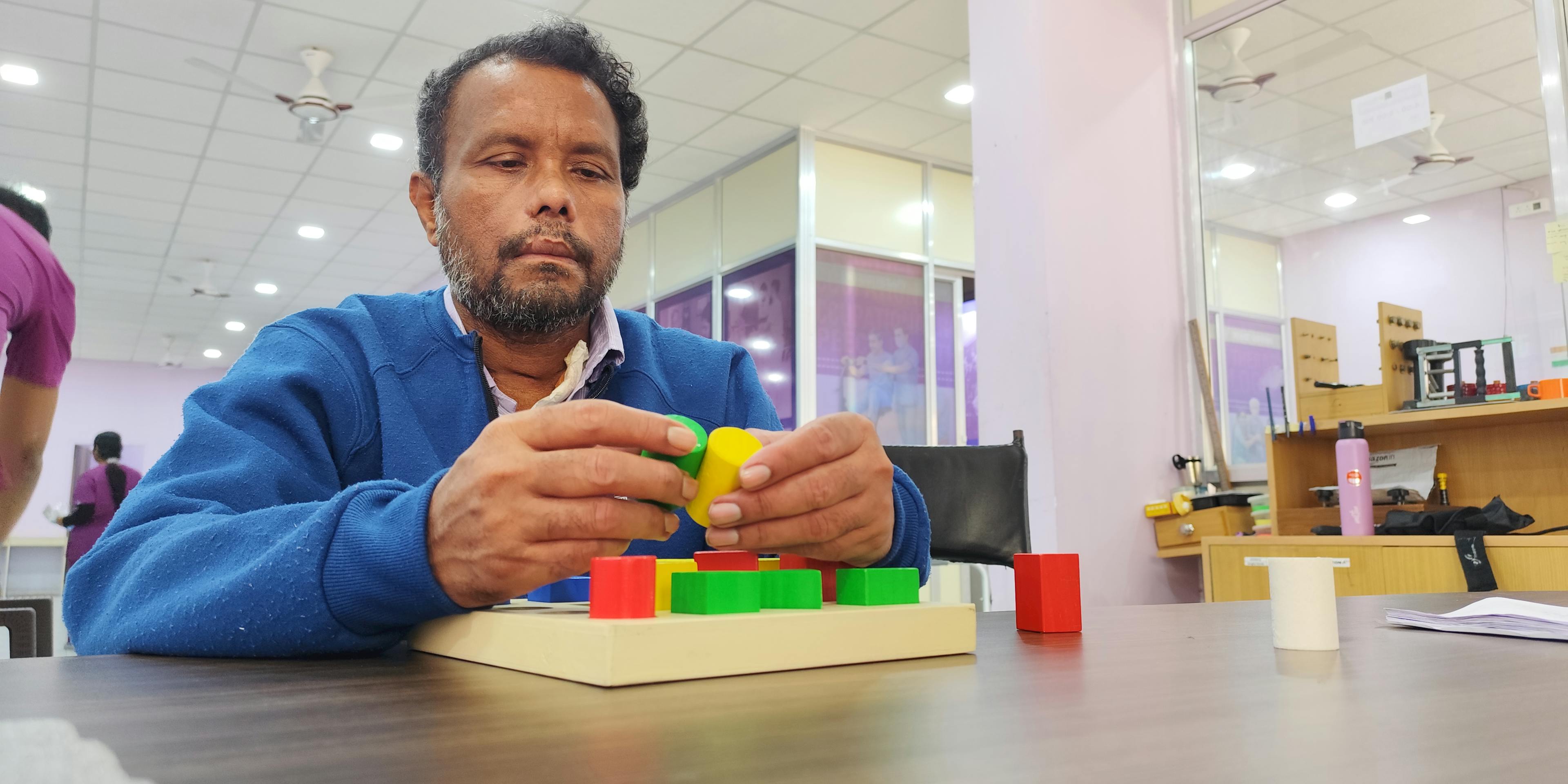
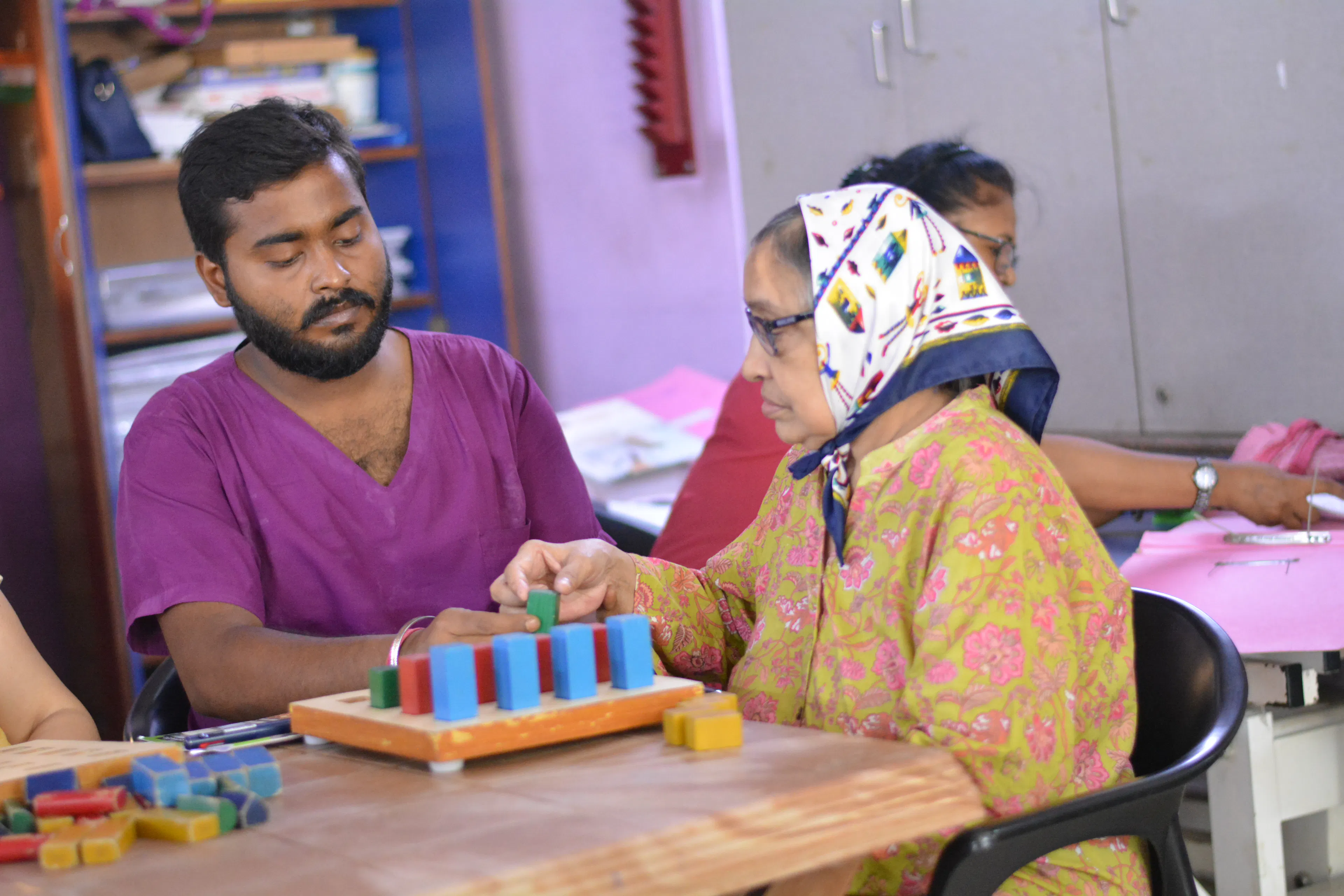
In kids with developmental disorders, we turn therapy into play. Building blocks, drawing, or puzzles are all designed to stimulate language development, focus, and patience.
Read This: Physiotherapy and Rehabilitation: Here’s the Real Difference
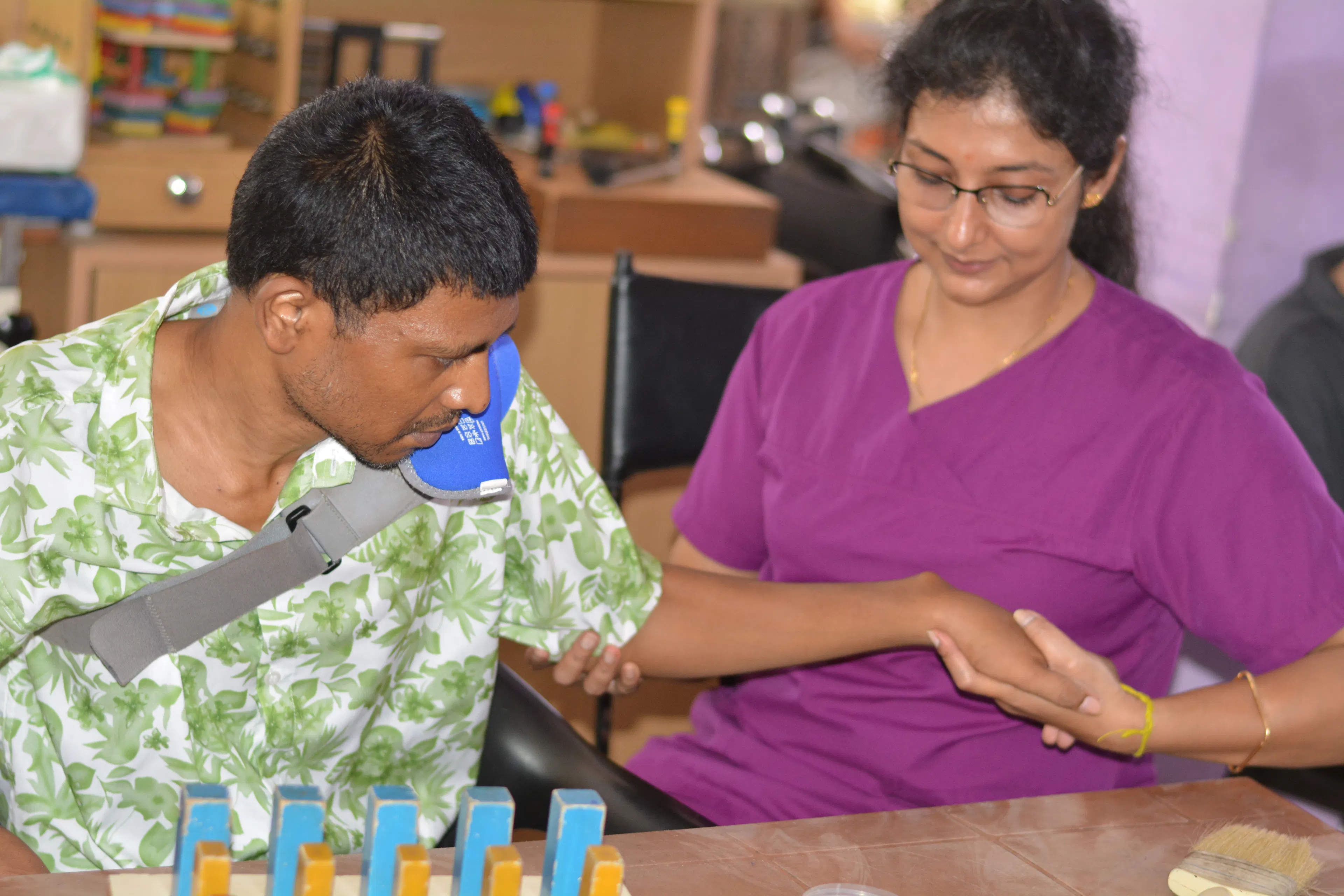
At Rehabana, therapy starts with listening. Because before we teach you how to move or hold or write again we want to know who you are and what matters to you.
The first step is conversation.
We learn your story what you love doing, what you miss, what feels impossible right now. That’s how your treatment plan begins around you.
Goals aren’t just medical here; they’re personal.
Maybe you want to cook again. Maybe you want to go back to work.
Whatever it is, we break it down into doable steps, so every day feels like a little win.
Our sessions are full of practical, everyday actions.
You’ll find yourself practising how to get dressed, eat, type, or lift things safely.
We make therapy feel natural because the practice of occupational therapy is about preparing for real life.
Our occupational therapists and occupational therapy assistants work hand-in-hand with physical therapists and doctors to ensure your recovery covers body, mind, and confidence together.
Sometimes recovery means finding new ways to do things.
We use assistive technology and adaptive equipment like special grips, splints, or tools that make tasks easier. And we guide families on making homes safer, installing rearranging kitchens, and softer lighting. Small changes, big comfort.
Every couple of weeks, we review progress together.
If something’s not working, we adjust. Recovery is a journey flexible, personal, and full of learning.
Must Read: Rehabilitation vs. Therapy: What’s the Difference & Why It Matters
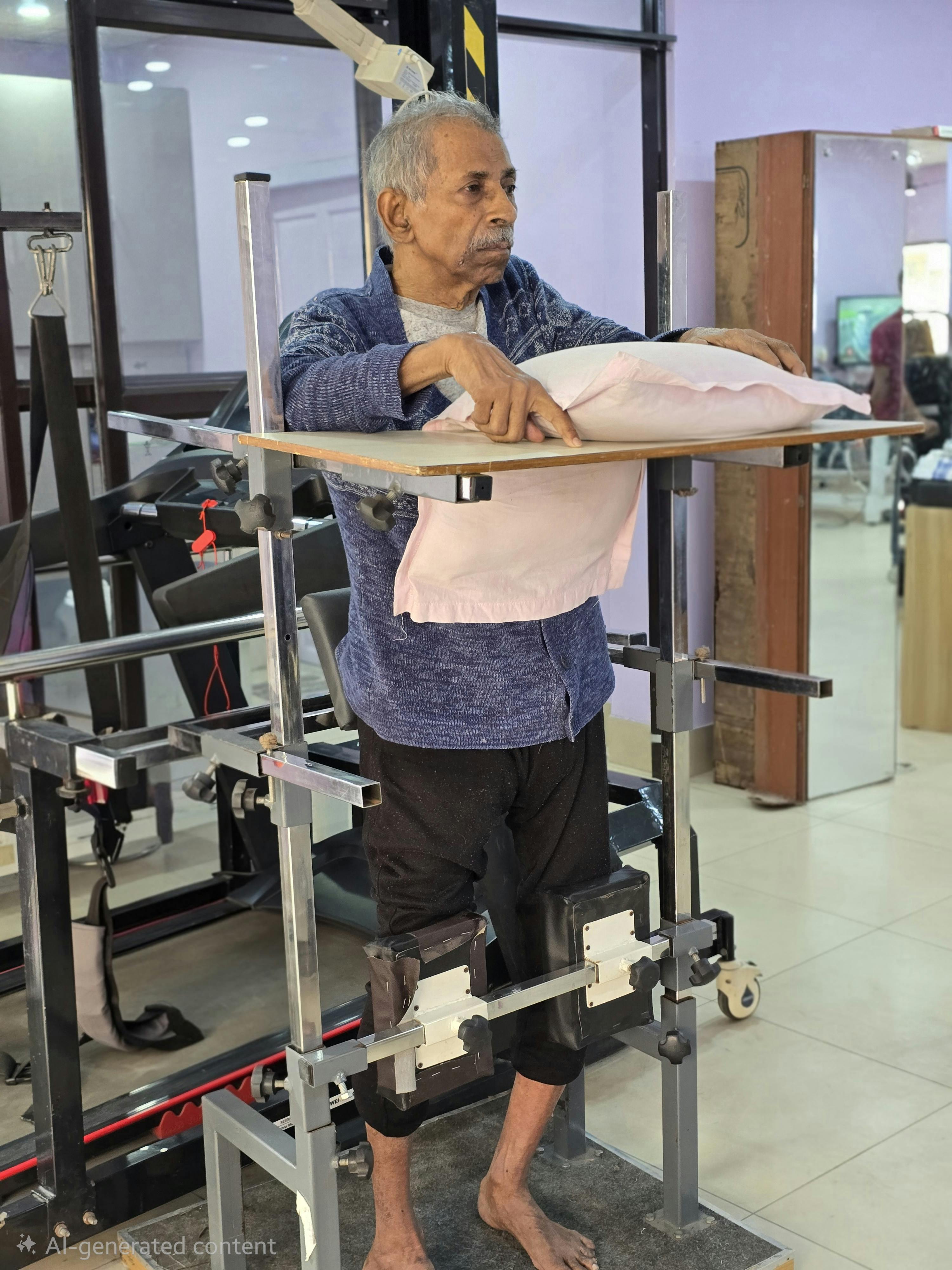
The field of occupational therapy is beautiful because it blends science with heart.
Here are some of the techniques we use every day:
Each of these helps improve your ability to perform daily tasks, promote health, and restore confidence.
The benefits of occupational therapy go far beyond physical recovery.
It helps people reconnect with themselves emotionally, mentally, and socially.
Here’s what it brings:
We’ve seen it happen over and over, that quiet moment when someone does something for themselves again. And we all smile, because we know how far they’ve come.
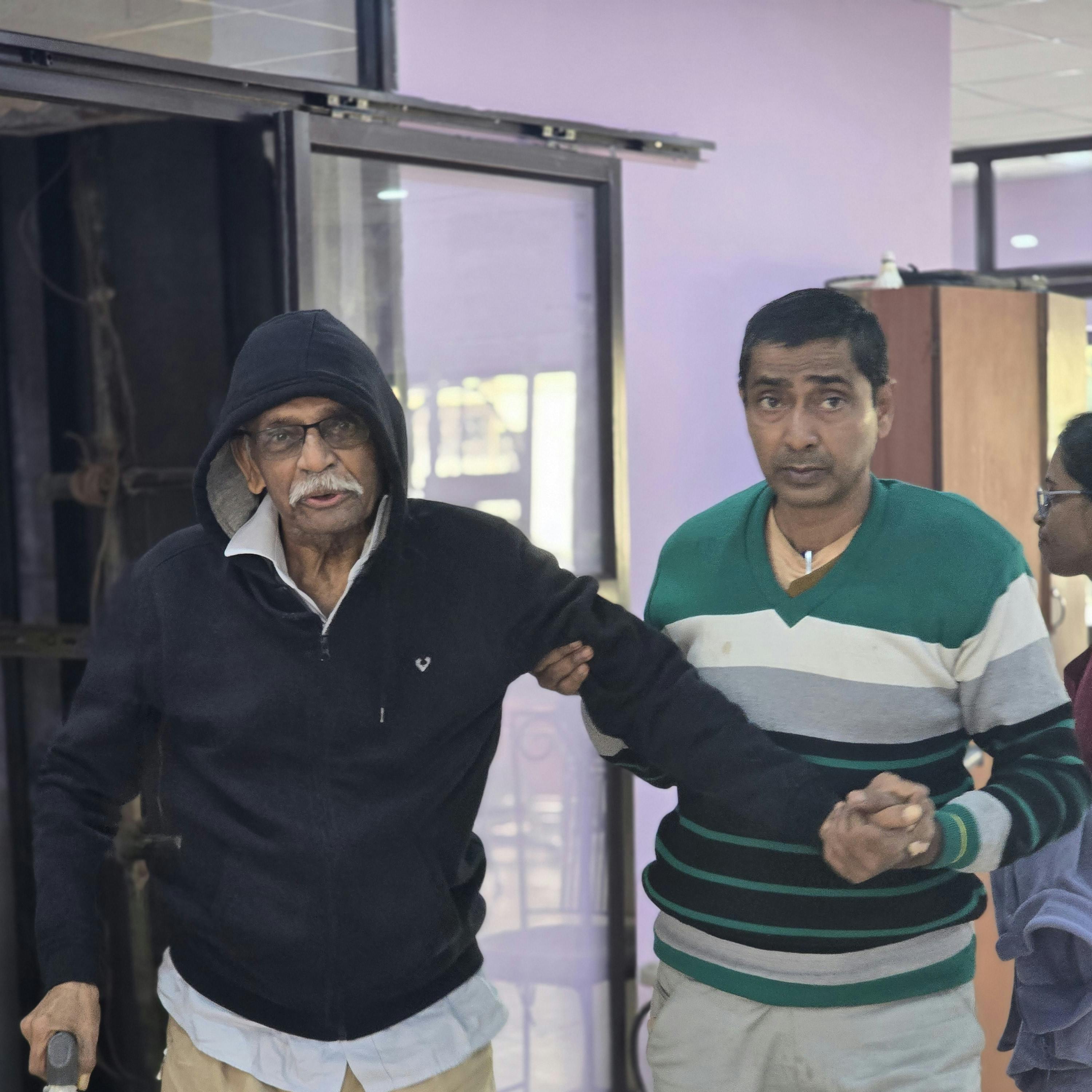
If you’re reading this as a family member, let me tell you something you matter just as much as the therapy itself.
Your patience, your belief, your time they make the biggest difference.
You can help by:
Recovery is teamwork between patient, therapist, and family. And in our culture, where family is everything, that love becomes therapy too.
Families choose Rehabana, Neuro Rehab Center Kolkata, because they feel our care the moment they walk in.
We’re not just a clinic, we’re a family of occupational therapy practitioners, doctors, nurses, and therapists who believe recovery should be personal.
Because to us, the profession of occupational therapy isn’t about treatment.
It’s about helping people find their rhythm again safely, confidently, and joyfully.
Recommended: Role of Rehabilitation Center: Why It Speeds Up Healing More Than You Think
We see it every day.
A patient who feeds himself after months.
A grandmother writing her name again.
A young man with a brain injury is laughing as he ties his shoelaces.
Those are not small things, they are life itself.
That’s what occupational therapy helps people rediscover.
It’s not just rehabilitation, it’s rebuilding dignity, purpose, and independence.
So if you or someone you love is struggling to get back to life, remember this:
Healing may be slow, but every day matters. Every small effort adds up.
And we’ll be right here, walking beside you, cheering, guiding, and believing. Always.
If someone you love needs help regaining independence after an injury or neurological condition, we’re here to support you.
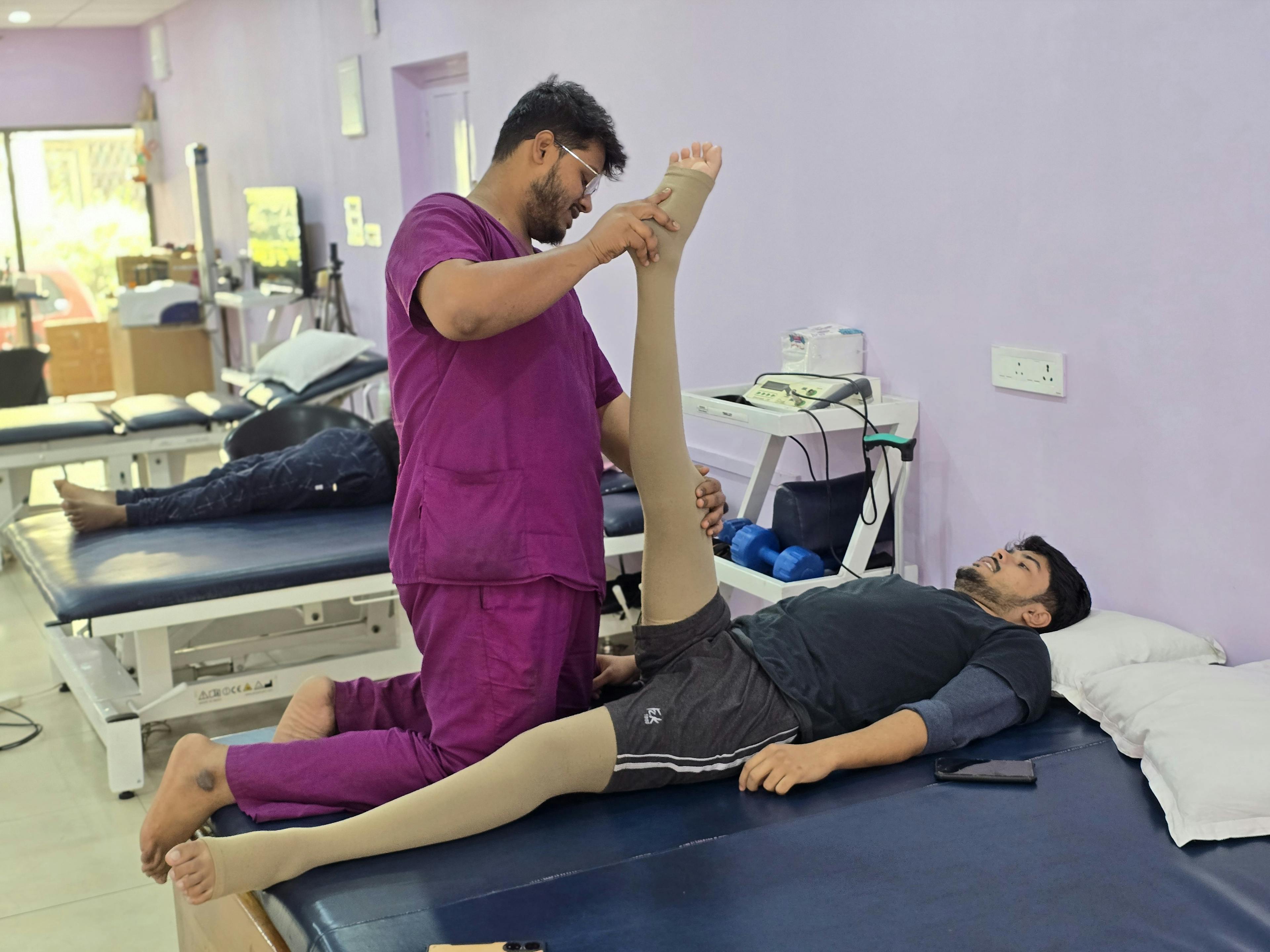
Occupational therapy helps turn small daily actions into big life changes. With the right guidance, recovery becomes meaningful, practical, and empowering. At Rehabana, our occupational therapists focus on what truly matters to you — living with confidence, dignity, and purpose.
Knowledge That Guides Recovery
Get expert neuro rehabilitation tips from the doctors at Rehabana, Kolkata — simple guidance on stroke recovery, spinal cord injury rehab, Parkinson’s care, and enhancing quality of life after neurological conditions.
Occupational Therapy for Traumatic Brain Injuries Helps Recovery. Discover how occupational therapy helps traumatic brain injury recovery.
Read More
How Speech Therapy Helps Patients with Parkinson’s Disease: Learn how speech therapy can help with slur, speech and swallowing difficulties.
Read More
Speech therapy and language therapy improve communication skills. Speech-language pathologists can help with speech and language, and swallowing.
Read More