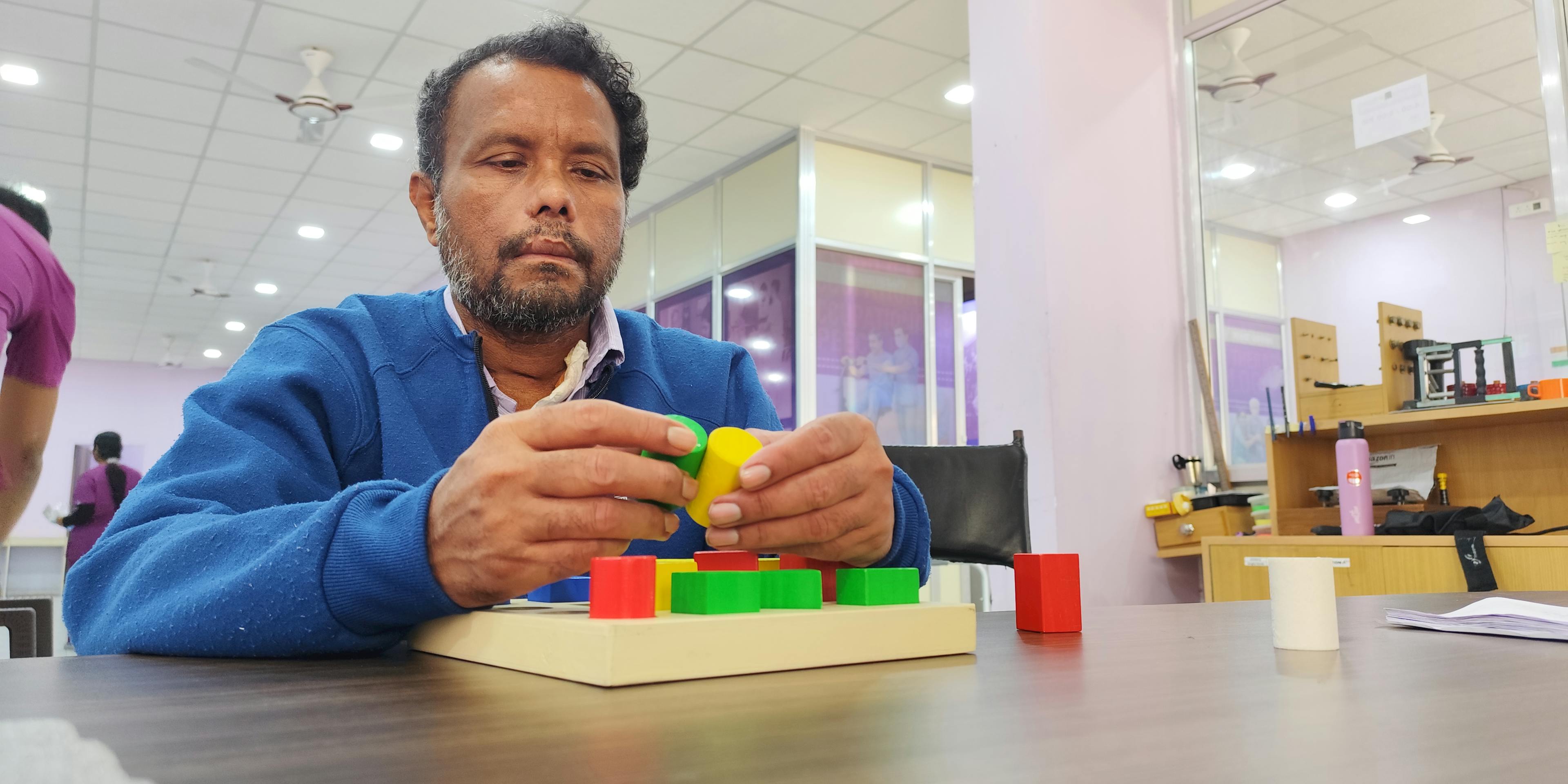
Occupational Therapy for Traumatic Brain Injuries Helps Recovery
Occupational Therapy for Traumatic Brain Injuries Helps Recovery. Discover how occupational therapy helps traumatic brain injury recovery.
Read More
Parkinson’s disease, a progressive neurodegenerative disorder, has been a significant concern for the global medical community, and India is no exception. With an estimated 7,71,000 Parkinson’s patients in India as of 2019, the need for effective treatment for Parkinson's has never been more pressing. Recent developments in the field of neuroscience have brought new hope to patients and their families, as innovative approaches to managing and potentially treating this complex condition emerge.
Parkinson’s disease is characterized by a range of motor and non-motor symptoms, including tremors, stiffness, slow movement, and balance problems. In India, the prevalence of Parkinson’s is estimated to range from 15 to 43 per 100,000 population, positioning the country to potentially have one of the highest absolute numbers of PD patients globally.
What’s particularly concerning is the trend of early-onset Parkinson’s in India. Nearly 40-45% of Indian patients experience the early onset of motor symptoms between the ages of 22 and 49. This early onset not only affects the quality of life of younger individuals but also poses significant socio-economic challenges.
In a groundbreaking development, Indian scientists have unveiled a nanoformulation designed to enhance the safety and effectiveness of Parkinson’s disease treatment. This targeted drug delivery system enables the sustained release of 17β-oestradiol (E2), a hormone essential for managing Parkinson’s symptoms.
The innovative approach utilizes dopamine receptor D3 (DRD3)-conjugated chitosan nanoparticles to precisely deliver 17β-oestradiol to the brain. This method significantly improves the hormone’s therapeutic potential while potentially reducing side effects.
Another promising avenue of research comes from the Institute of Nano Science and Technology (INST) Mohali. Scientists there have demonstrated that a nano-formulation of melatonin could provide a therapeutic solution for Parkinson’s disease.
Melatonin, typically known for its role in regulating sleep patterns, has shown potential in enhancing mitophagy a quality control mechanism that removes dysfunctional mitochondria and reduces oxidative stress. The nano-formulation of melatonin resulted in sustained release and improved bioavailability, enhancing its antioxidative and neuroprotective properties.
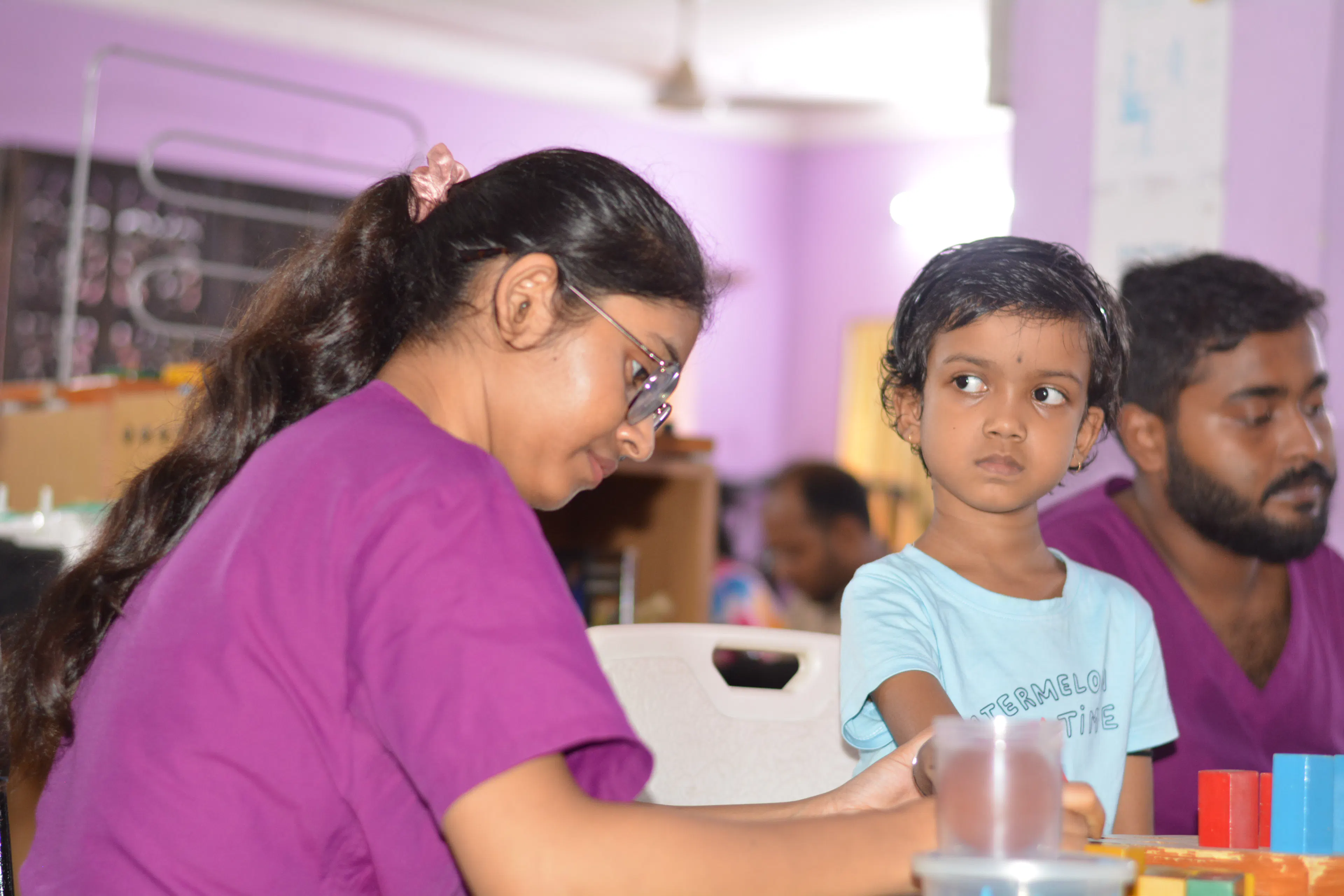
While these breakthrough treatments offer hope, it’s crucial to remember that managing Parkinson’s disease requires a comprehensive, multidisciplinary approach. This is where rehabilitation plays a vital role.
Contrary to the common misconception that rehabilitation is only necessary in the later stages of Parkinson’s, experts now emphasize the importance of starting rehabilitative care early. Rehabilitation can play a crucial role in managing and improving PD symptoms, function, and quality of life from day one.
A comprehensive rehabilitation program for Parkinson’s typically includes:
Modern rehabilitation centers in India are increasingly incorporating advanced technologies to enhance the effectiveness of their programs. These may include:
These technological interventions, combined with traditional therapy methods, can significantly improve outcomes for Parkinson’s patients.
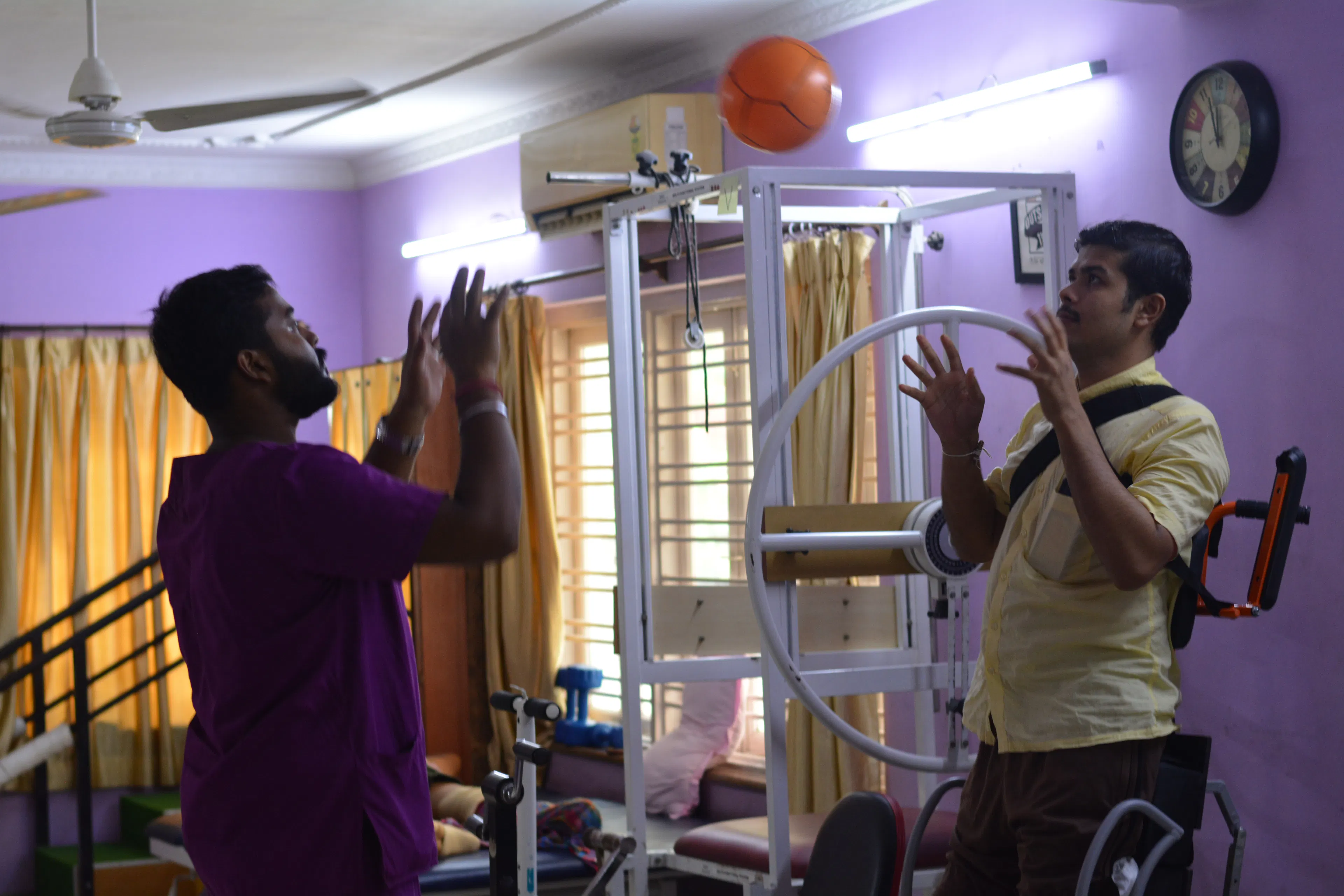
As India grapples with a potential increase in Parkinson’s cases—with experts warning of a 200-300% rise in the next few decades—the focus on research, early detection, and comprehensive care becomes even more critical.
Indian researchers are at the forefront of several promising research directions:
Specialized Parkinson’s care centers are becoming increasingly important in India. These centers offer a range of services, from diagnosis and medical management to rehabilitation and psychological support. They often employ a team of specialists, including neurologists, physiotherapists, occupational therapists, speech therapists, and mental health professionals, to provide holistic care to patients.
While medical advancements offer hope, living with Parkinson’s remains a challenge for patients and their caregivers. However, with the right support and resources, many people with Parkinson’s can maintain a good quality of life.
Education plays a crucial role in empowering patients and caregivers. Understanding the disease, its progression, and available treatment options can help in better management of symptoms and improved quality of life. Support groups can provide emotional support, practical advice, and a sense of community for those affected by Parkinson’s.
Alongside medical treatment and rehabilitation, certain lifestyle modifications can help manage Parkinson’s symptoms:
As we look to the future, there is reason for cautious optimism in the field of Parkinson’s disease management in India. From groundbreaking nanoformulations to comprehensive rehabilitation programs, the landscape of treatment for Parkinson is evolving rapidly.
While challenges remain, particularly in terms of early detection and access to specialized care, the dedication of researchers, healthcare professionals, and support networks offers hope. As we continue to unravel the complexities of Parkinson’s disease, the focus remains on improving the quality of life for those affected by this condition.
For those seeking treatment for Parkinson in India, it’s crucial to consult with healthcare professionals who can provide personalized care plans. With ongoing research and improving treatment options, the future looks brighter for Parkinson’s patients and their families in India.
Take a glimpse at patients’ success stories with the help of professionals.
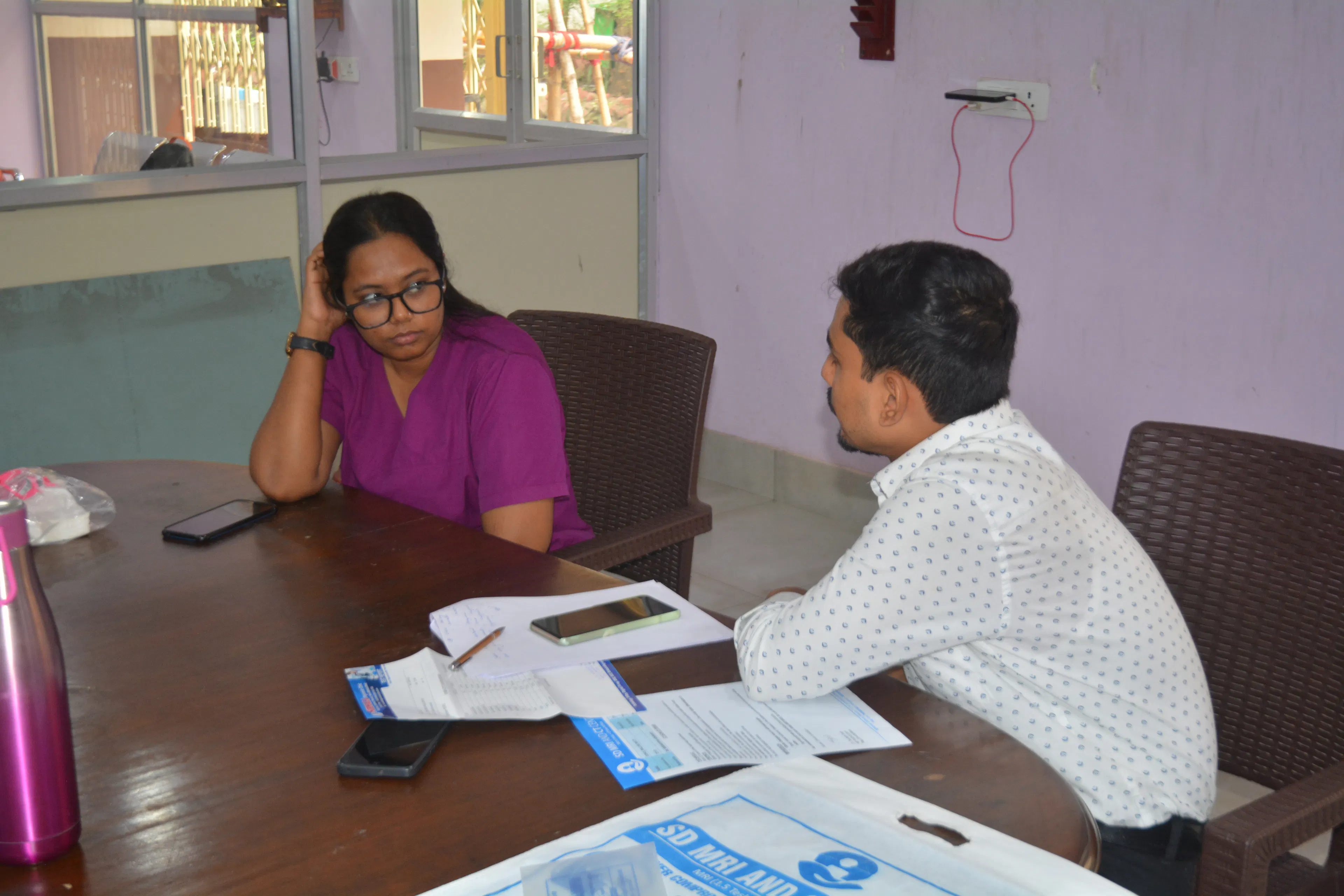
Breakthrough treatments are promising, but the right rehabilitation and expert guidance make the real difference in daily life. Early, structured care can slow progression and improve independence.
Knowledge That Guides Recovery
Get expert neuro rehabilitation tips from the doctors at Rehabana, Kolkata — simple guidance on stroke recovery, spinal cord injury rehab, Parkinson’s care, and enhancing quality of life after neurological conditions.
Occupational Therapy for Traumatic Brain Injuries Helps Recovery. Discover how occupational therapy helps traumatic brain injury recovery.
Read More
How Speech Therapy Helps Patients with Parkinson’s Disease: Learn how speech therapy can help with slur, speech and swallowing difficulties.
Read More
Speech therapy and language therapy improve communication skills. Speech-language pathologists can help with speech and language, and swallowing.
Read More