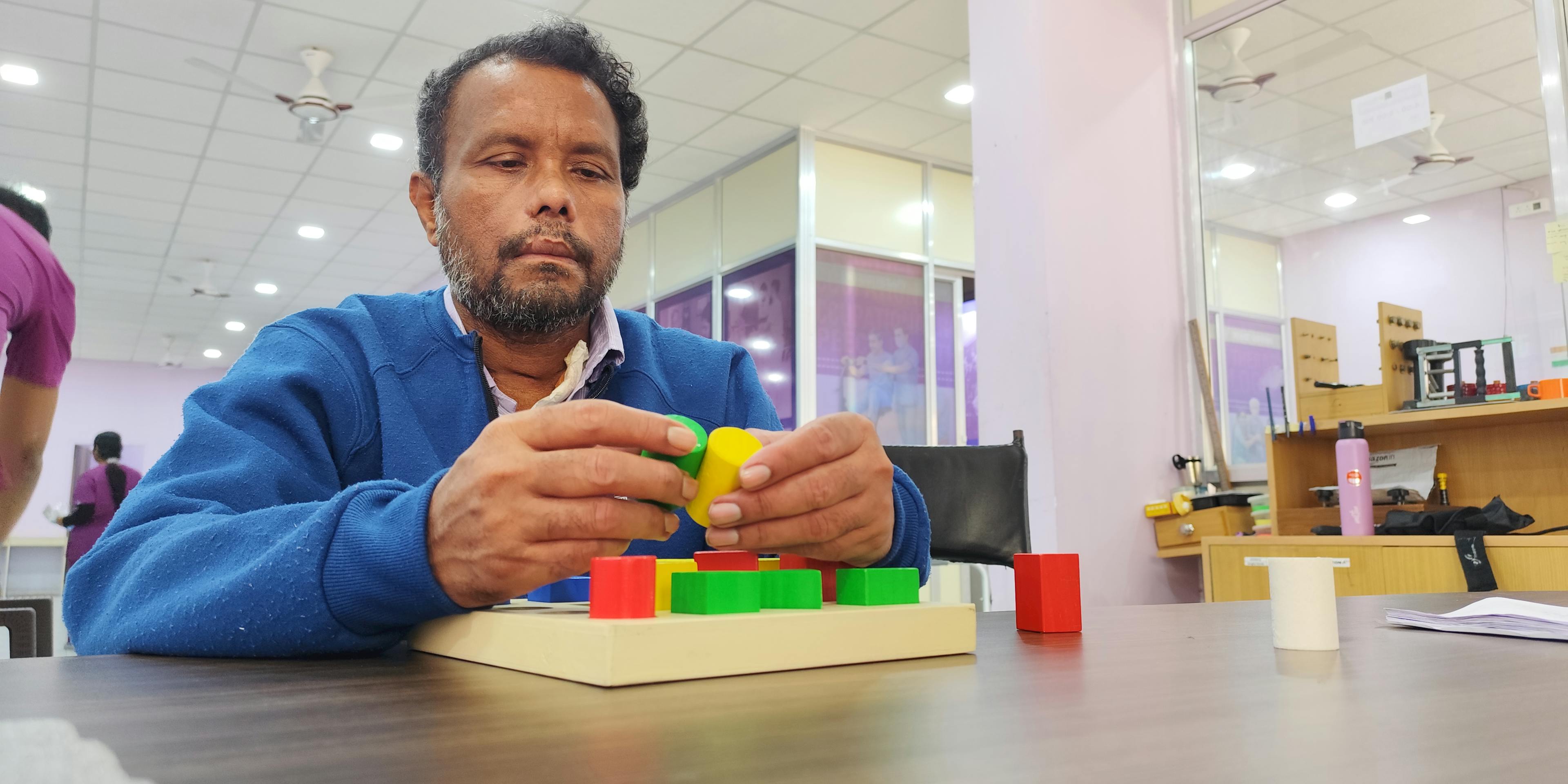
Occupational Therapy for Traumatic Brain Injuries Helps Recovery
Occupational Therapy for Traumatic Brain Injuries Helps Recovery. Discover how occupational therapy helps traumatic brain injury recovery.
Read MoreNeurological rehabilitation is not about routine exercises or “one-size-fits-all” therapy – the nervous system does not recover that way. If people diagnosed with a neurological condition truly want to improve function and quality of life, it’s time to stop generic recovery and start targeted neurorehabilitation.
If you’re supporting someone with a neurological condition - or you’re the one recovering - you’ve probably received advice from all directions.
“Do some physical therapy daily.”
“Just keep moving.”
“Massage the arm.”
“Walk more, strength will return.”
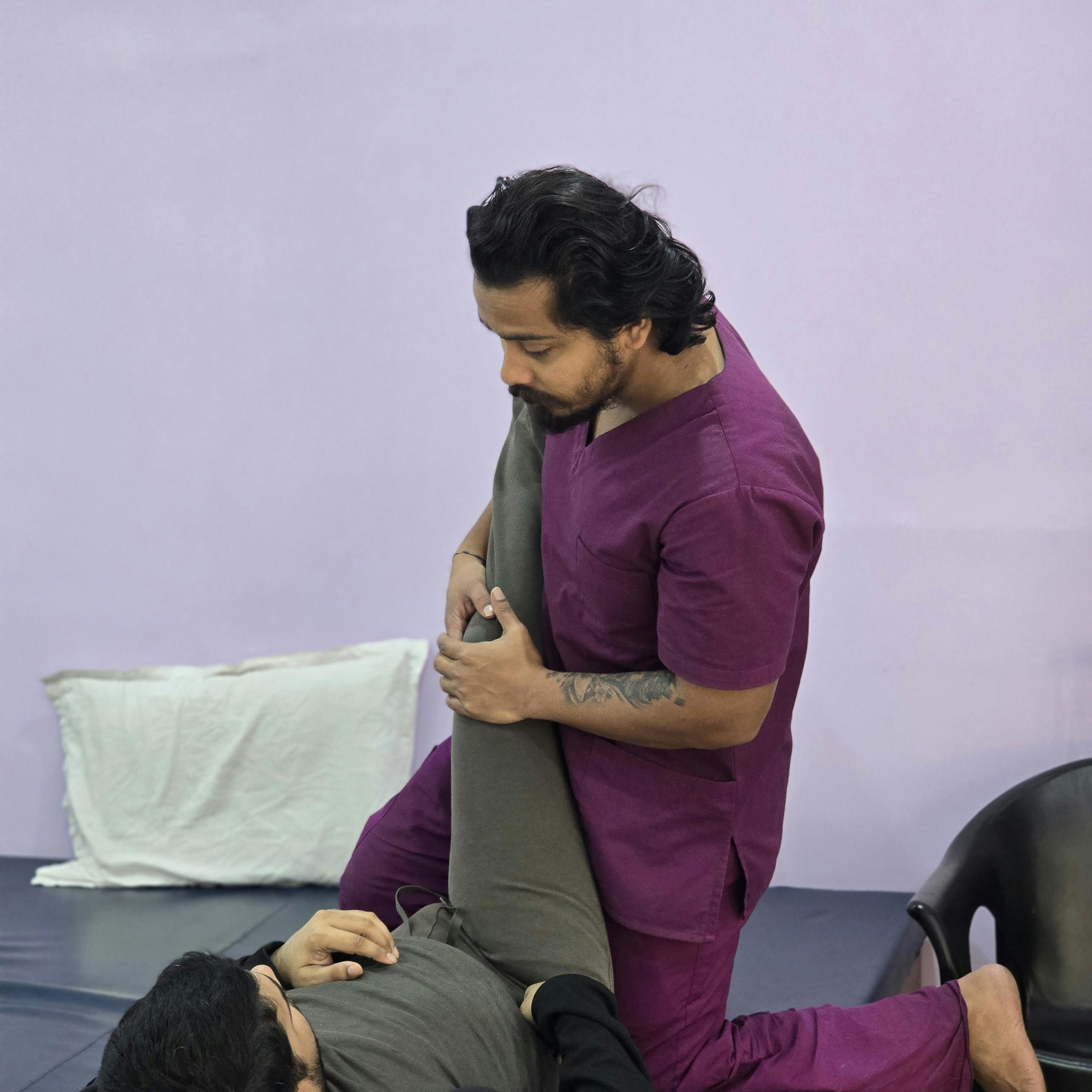
Most of this advice comes with good intentions. But neurological rehabilitation is very different from routine physiotherapy or conventional therapy. When recovery involves the nervous system - the brain or spinal cord - generic approaches often slow progress instead of helping it.
For structured, goal-oriented therapy, it’s best to consult a specialised Neuro Rehabilitation Centre in Kolkata that designs programmes tailored to each patient’s needs.
At Rehabana, we regularly meet people with neurological conditions like stroke, traumatic brain injury, spinal cord injury, Parkinson’s disease rehabilitation, and multiple sclerosis who have already been doing therapy - yet their improvement has stalled.
The issue is rarely effort. The issue is approach.
This article explains why neurological rehabilitation is designed to be specific, goal-driven, and adaptive - and why generic recovery doesn’t work for neurological injuries.
Generic recovery often means:
This approach fails because neurological injuries disrupt control, not just strength. After injury to the brain or brain or spinal cord, the problem lies in how the nervous system sends and receives signals.
Without targeted motor rehabilitation, the brain does not relearn correct movement patterns – no matter how many repetitions are done.
Neurological rehabilitation works with:
In these cases, rehab must address physical and cognitive recovery together.
Neurorehabilitation focuses on:
This requires structured, individualized planning – not generic exercise routines.
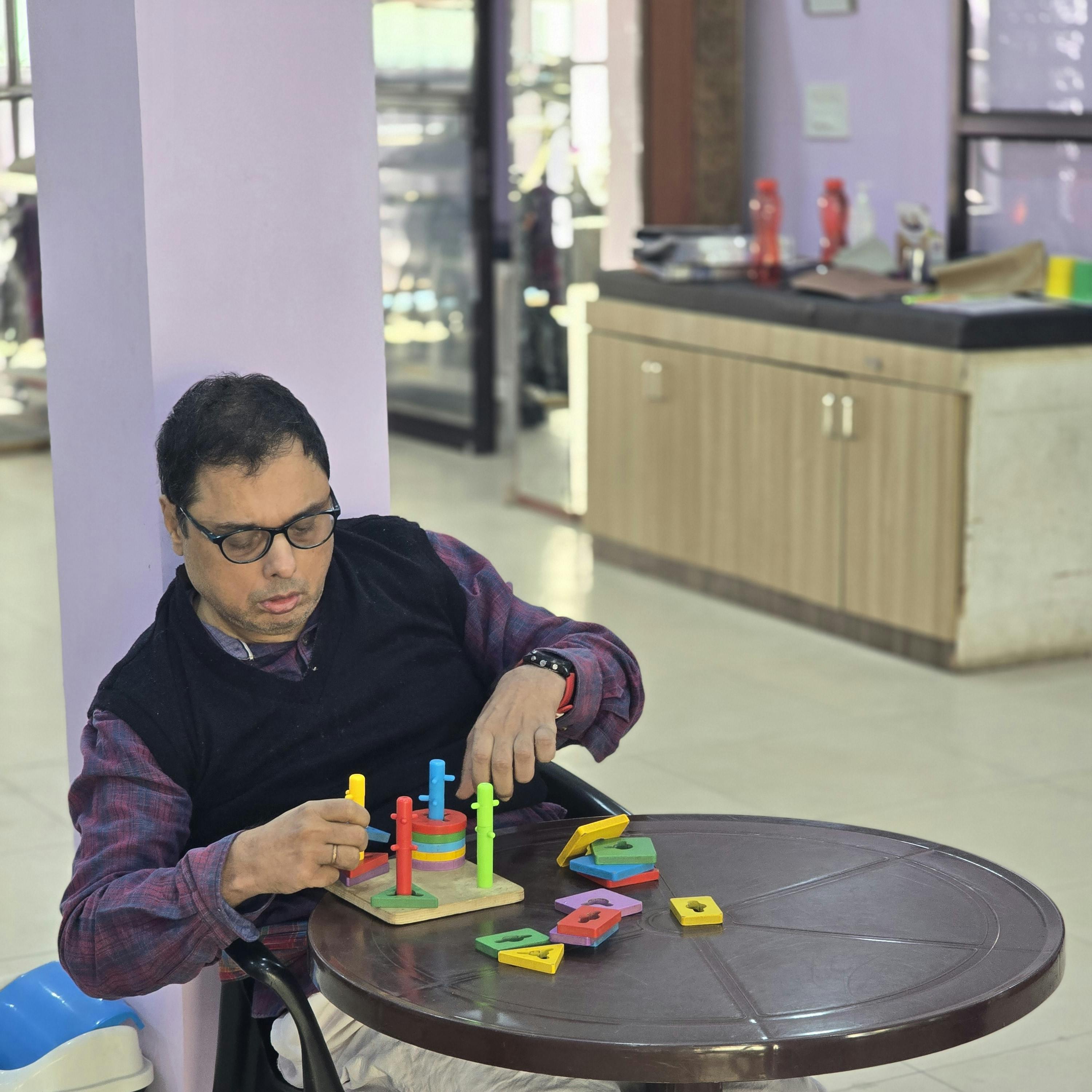
Families often notice:
These are signs that the rehab is not matching the neurological condition.
Know more: Role of Rehabilitation Center: Why It Speeds Up Healing More Than You Think
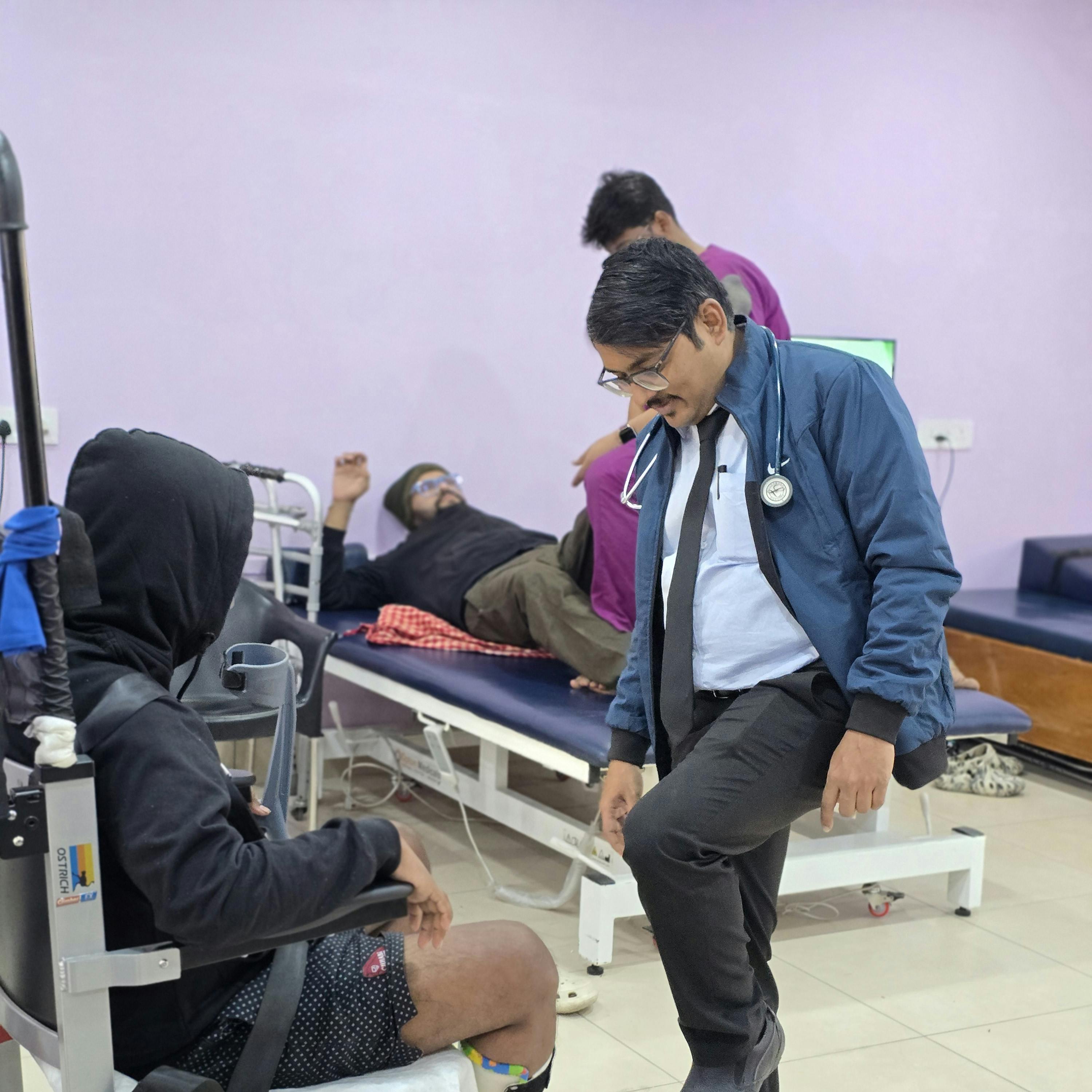
Before therapy begins, a neurological physiotherapist or rehabilitation physician must understand the full picture.
Assessment includes:
This is how we create a treatment plan that fits the person – not just the diagnosis. Comprehensive neurorehabilitation of stroke always starts with this detailed assessment.
Effective rehabilitation therapy always works toward function.
Examples of meaningful goals:
A rehabilitation program designed around goals helps patients and families see progress – and stay motivated.
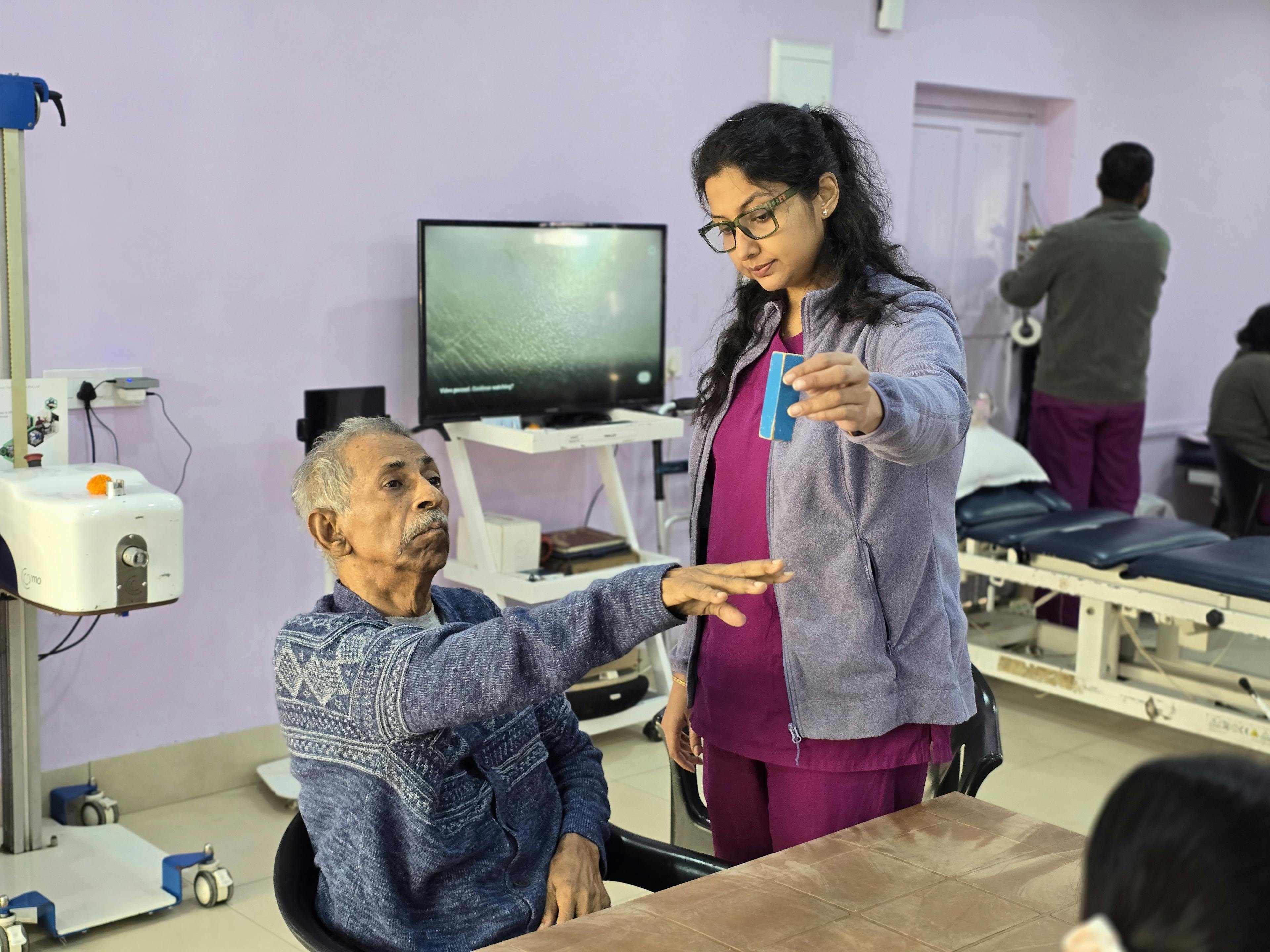
The nervous system relearns through task-specific training.
Effective neurorehabilitation includes:
This is why occupational therapy and physical therapy must work together.
Walking matters – but hand function defines independence.
An occupational therapist focuses on:
Without occupational therapy, physical gains often don’t translate into better quality of life.
Read more: Occupational Therapy: What It Is & how Occupational Therapist Improves Life
Spasticity is a neurological issue, not just muscle tightness.
Management may include:
This protects joints and improves movement quality.
Many stroke survivors and patients with neurological conditions fear falling.
Targeted balance training:
Walking without balance control increases injury risk.
Neurorehabilitation may include:
This is critical for patients after acute stroke, chronic stroke, or traumatic brain injury.
Ignoring cognition limits overall recovery.
A growing body of evidence and clinical research supports selective use of advanced tools.
These may include:
Studies published in journals like Arch Phys Med Rehabil, Eur J Phys Rehabil Med, and systematic review and meta-analysis reports show these tools can improve function when used as part of a structured program – not standalone treatments.
Effective home practice is:
Two or three targeted tasks done daily are more effective than long unsupervised routines.
Neurological recovery is dynamic.
A strong rehabilitation team reviews:
If therapy hasn’t changed in weeks, it has become generic.
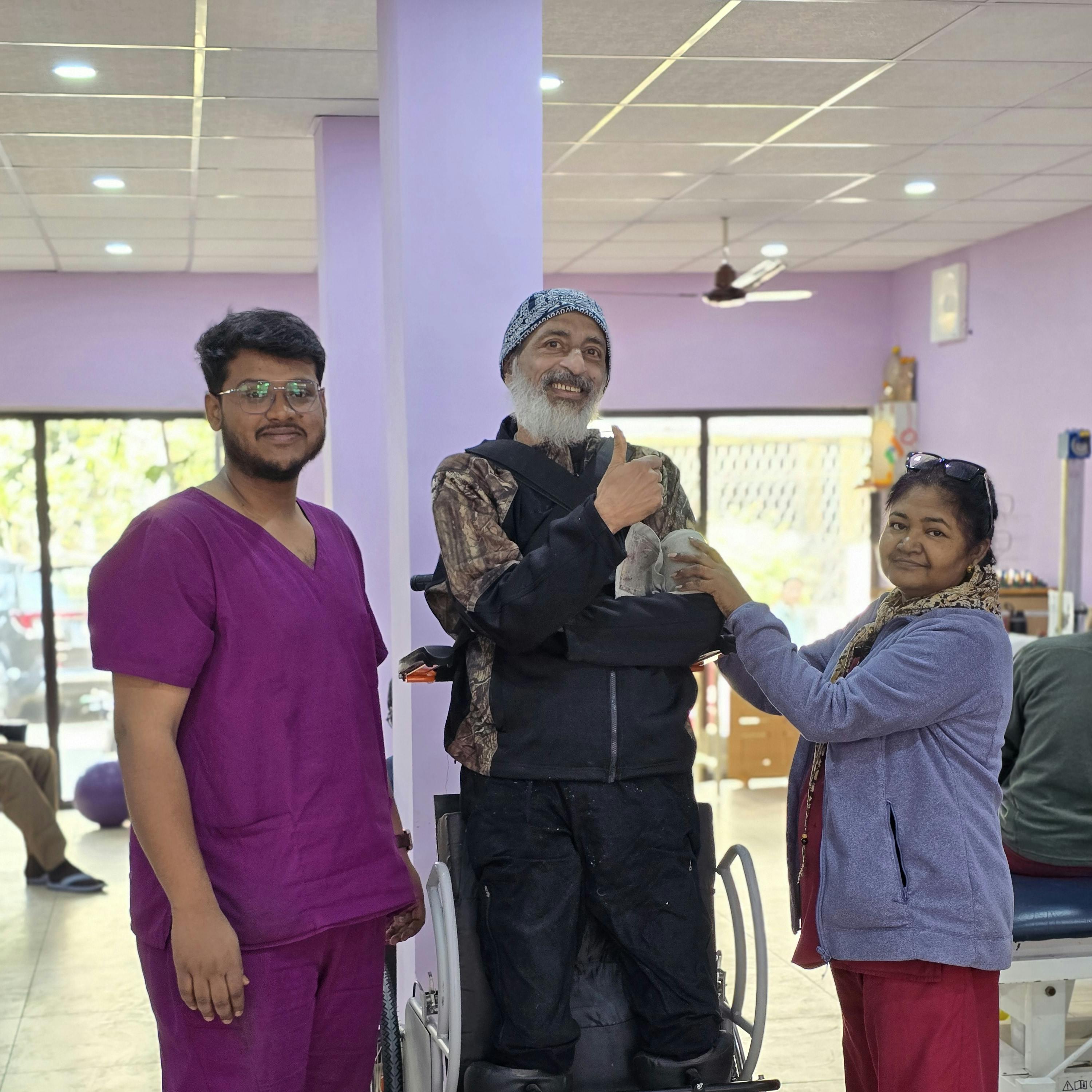
At Rehabana, neurorehabilitation is:
We follow evidence-based rehabilitation interventions – not trends. As one of the best rehab centres in Kolkata, Rehabana ensures each programme is personalised for maximum recovery and independence.
Neurological rehabilitation is too important for generic recovery.
For people with neurological conditions – stroke patients, spinal cord injury survivors, individuals with brain injury, Parkinson’s, MS, or other disorders of the nervous system – recovery depends on precision, not routine.
Targeted neurorehabilitation:
Stop generic recovery. Start rehabilitation that respects how the nervous system actually heals.
Adipiscing elit, sed do eiusmod tempor incididunt ut labore et
Knowledge That Guides Recovery
Get expert neuro rehabilitation tips from the doctors at Rehabana, Kolkata — simple guidance on stroke recovery, spinal cord injury rehab, Parkinson’s care, and enhancing quality of life after neurological conditions.
Occupational Therapy for Traumatic Brain Injuries Helps Recovery. Discover how occupational therapy helps traumatic brain injury recovery.
Read More
How Speech Therapy Helps Patients with Parkinson’s Disease: Learn how speech therapy can help with slur, speech and swallowing difficulties.
Read More
Speech therapy and language therapy improve communication skills. Speech-language pathologists can help with speech and language, and swallowing.
Read More