Occupational Therapy for Traumatic Brain Injuries Helps Recovery
Occupational Therapy for Traumatic Brain Injuries Helps Recovery. Discover how occupational therapy helps traumatic brain injury recovery.
Read MorePeripheral neuropathies can be scary especially when neuropathy starts affecting walking, sleep, and everyday life. While peripheral neuropathy may not always be fully curable, many people with peripheral neuropathy improve a lot with early diagnosis and treatment, the right neuropathy treatment plan, and supportive rehabilitation.
If someone has told you, “It’s neuropathy,” chances are your next question was very simple: “Can this be cured?”
We hear this question often at Rehabana. Sometimes a patient asks it directly. Sometimes a son or daughter asks for a parent. And sometimes nobody asks - but we can see it in their face. That quiet fear: “Is this going to keep getting worse?”
So let’s talk about this in a way that actually helps. Not with scary words. Not with false promises. Just clarity - and hope.
Because neuropathy can feel miserable… but many people do get better. And even when a form of peripheral neuropathy can’t be fully reversed, symptoms like numbness, burning, and neuropathic pain can often reduce, and daily life can become easier again with the right management and treatment.
Peripheral neuropathy happens when nerves in the peripheral nervous system get damaged. The peripheral nervous system is made of the nerves outside the central nervous system – meaning outside the brain and spinal cord. In other words, it’s the network of nerves that carries messages between the brain and spinal cord and the rest of the body.
These nerves (peripheral nerve / peripheral nerves) help you:
So when there is peripheral nerve damage or nerve fiber injury, you might feel:
Some people describe it as: “My feet feel like cotton,” “I can’t feel the ground,” or “It burns at night.” These are common symptoms of neuropathy and symptoms of peripheral neuropathy.
Let’s answer this honestly, the way we would in the therapy room.
👉 Peripheral neuropathy may be:
So yes – sometimes peripheral neuropathy be reversed (fully or partly), but it depends on the cause of peripheral neuropathy and how early treatment begins.
Think of neuropathy as a signal: the nerve is irritated or injured. If we find the cause early, we can often reduce nerve damage and improve function. If it has been present for years, complete recovery may not happen, but improvement is still very possible.
There are many different types of peripheral neuropathy – some experts say there are 100 types of peripheral neuropathy (or more), depending on which nerve fibers are affected and what causes them.
Some common forms include:
Understanding the type of neuropathy helps guide diagnosis and treatment and gives a better sense of prognosis.
Vitamin deficiencies are a very common cause. Low vitamin b12 (B12) can lead to nerve damage.
If treated early, symptoms can improve significantly.
Some medicines can cause neuropathy, and chemotherapy-induced peripheral neuropathy is a known issue. If the trigger is addressed early, symptoms may reduce over time.
Certain infections like Lyme disease can lead to peripheral neuropathy. Treating the infection early can help nerve recovery.
Sometimes neuropathy-like symptoms come from nerve compression near the spine. Even though the brain and spinal cord are part of the central nervous system, pressure near nerve roots can affect the peripheral nerve signals going into the legs and feet.
In these situations, neuropathy may be reversible to a large extent – especially with early treatment and rehabilitation.
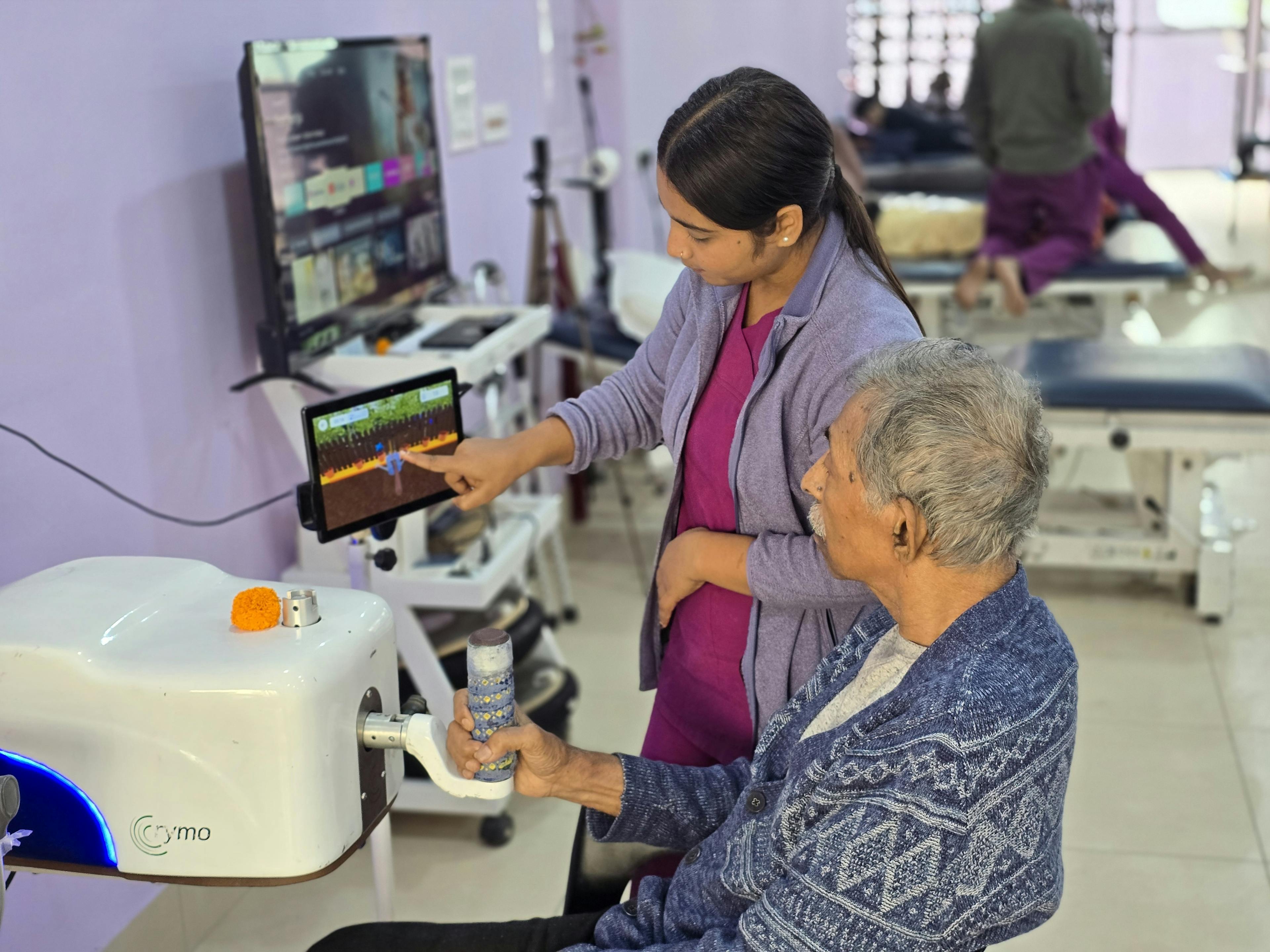
Diabetes is one of the most common cause of peripheral neuropathy. When blood sugar stays high for years, it can damage nerves, especially in the legs and feet. This is called diabetic neuropathy or painful diabetic neuropathy (when burning pain is strong).
In diabetic neuropathy, existing damage may not fully reverse, but treatment of diabetic neuropathy can:
This is why blood sugar control is not just “medical advice” – it’s nerve protection.
The best treating peripheral neuropathy plan is usually a combination: treating the cause + managing symptoms + rehabilitation.
A doctor-led evaluation looks for the cause of the neuropathy: diabetes, vitamin deficiencies, thyroid issues, immune problems, medication effects, etc.
This step is essential because the correct treatment for peripheral neuropathy depends on the cause.
Neuropathic pain behaves differently from muscle pain. That’s why typical painkillers may not help much.
Doctors may prescribe:
This is part of treatment of pain and overall neuropathy treatment.
Rehab is where many people start feeling practical improvement.
Physiotherapy helps with:
Neuropathy affects how you feel the ground. Without sensory feedback, the brain struggles to control walking. Rehab helps retrain safer patterns.
Occupational Therapy helps with everyday tasks – especially if feet and hands are affected:
Some patients benefit from transcutaneous electrical nerve stimulation (TENS) for painful neuropathy. It doesn’t “cure” nerve damage, but it can reduce pain signals for some people.
Small changes can help:
This is part of early treatment and long-term management.
Yes. If the cause continues (like uncontrolled blood sugar), nerve damage can progress. People may develop worsening numbness, more weakness, and balance issues.
Early treatment can reduce symptoms, slow progression, and lower complications.
Prognosis depends on:
Some people improve in weeks. Some need months. And many do best with steady rehab support.
At Rehabana, our approach is doctor-led and practical. We don’t treat neuropathy as “just nerve pain.” We look at the whole person – walking safety, balance, strength, independence, sleep, and quality of life.
We help with:
If you’re caring for someone developing neuropathy, please remember:
Your support is part of the healing.
So, is peripheral neuropathy curable?
Sometimes yes – especially when the cause of peripheral neuropathy is treated early (like vitamin b12 deficiency, medication triggers, some infections).
Sometimes it’s not fully curable – especially in long-standing diabetes or chronic conditions.
But in most cases, treatment options can reduce symptoms, improve strength and balance, and help people live more comfortably and confidently again.
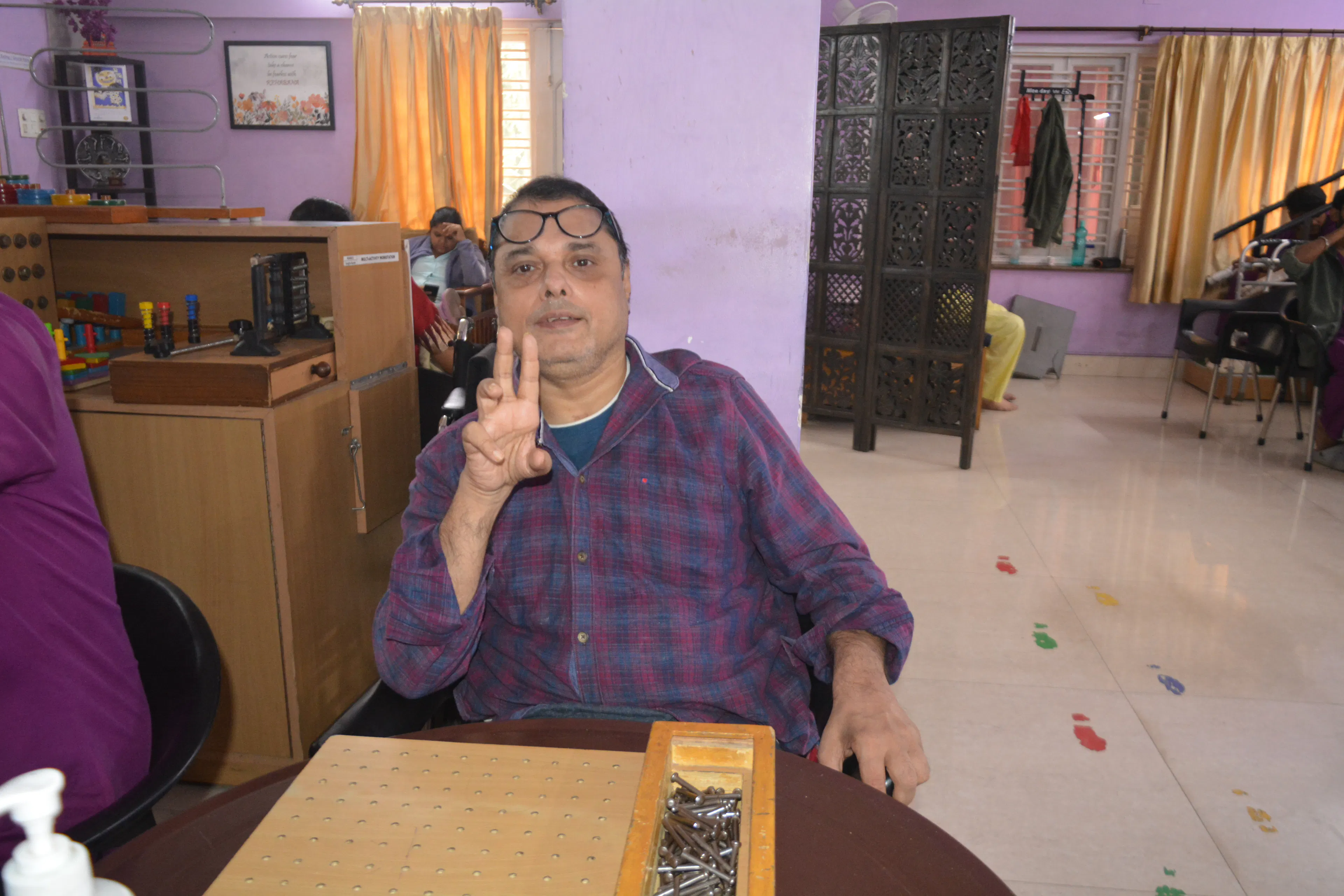
If you or a loved one has symptoms of peripheral neuropathy numbness, burning pain, tingling, weakness, balance issues – we’re here to help.
Knowledge That Guides Recovery
Get expert neuro rehabilitation tips from the doctors at Rehabana, Kolkata — simple guidance on stroke recovery, spinal cord injury rehab, Parkinson’s care, and enhancing quality of life after neurological conditions.
Occupational Therapy for Traumatic Brain Injuries Helps Recovery. Discover how occupational therapy helps traumatic brain injury recovery.
Read More
How Speech Therapy Helps Patients with Parkinson’s Disease: Learn how speech therapy can help with slur, speech and swallowing difficulties.
Read More
Speech therapy and language therapy improve communication skills. Speech-language pathologists can help with speech and language, and swallowing.
Read More