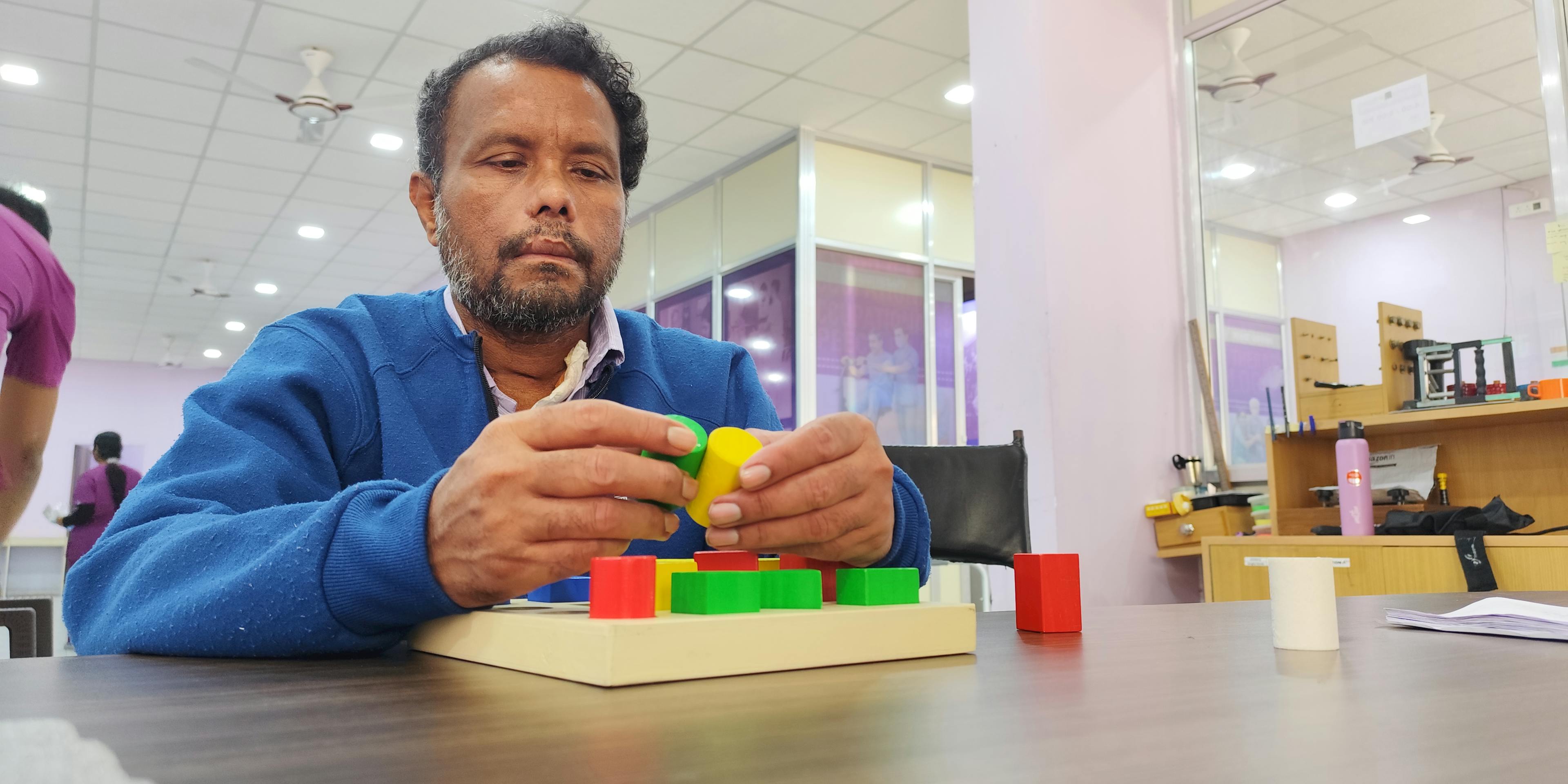
Occupational Therapy for Traumatic Brain Injuries Helps Recovery
Occupational Therapy for Traumatic Brain Injuries Helps Recovery. Discover how occupational therapy helps traumatic brain injury recovery.
Read MoreNeurorehabilitation is no longer limited to mats, mirrors, and repetitive drills.
Today’s cutting-edge technologies and innovative approaches are helping people with neurological impairments recover function, confidence, and quality of life in ways we couldn’t imagine earlier – especially with access to advanced neuro treatment in Kolkata and specialized care.
For a long time, neurorehabilitation followed a familiar pattern.
A mat.
A mirror.
A set of repeated movements.
A therapist counting reps while quietly hoping the nervous system would “catch on.”
And sometimes it did.
But if you work closely with people recovering from stroke, traumatic brain injury, or spinal cord injury, you know something uncomfortable:
effort alone doesn’t guarantee recovery.
That realization is exactly why the last decade has brought such serious advances in neurorehabilitation – not flashy gimmicks, but tools that finally work with the nervous system instead of against it. Leading care at a neuro rehabilitation centre in Kolkata reflects this shift toward smarter, evidence-based recovery.
This isn’t about replacing therapy.
It’s about finally upgrading it.
The nervous system doesn’t recover like a muscle strain.
You can’t just “strengthen through it.”
In conditions involving the central nervous system – stroke, brain injuries, neurological diseases like multiple sclerosis, or traumatic brain injury – the brain must relearn.
That’s where traditional rehabilitation often hits a wall:
Modern neurorehabilitation exists because therapists started asking better questions:
What if we could train longer, safer, and smarter – without burning patients out?
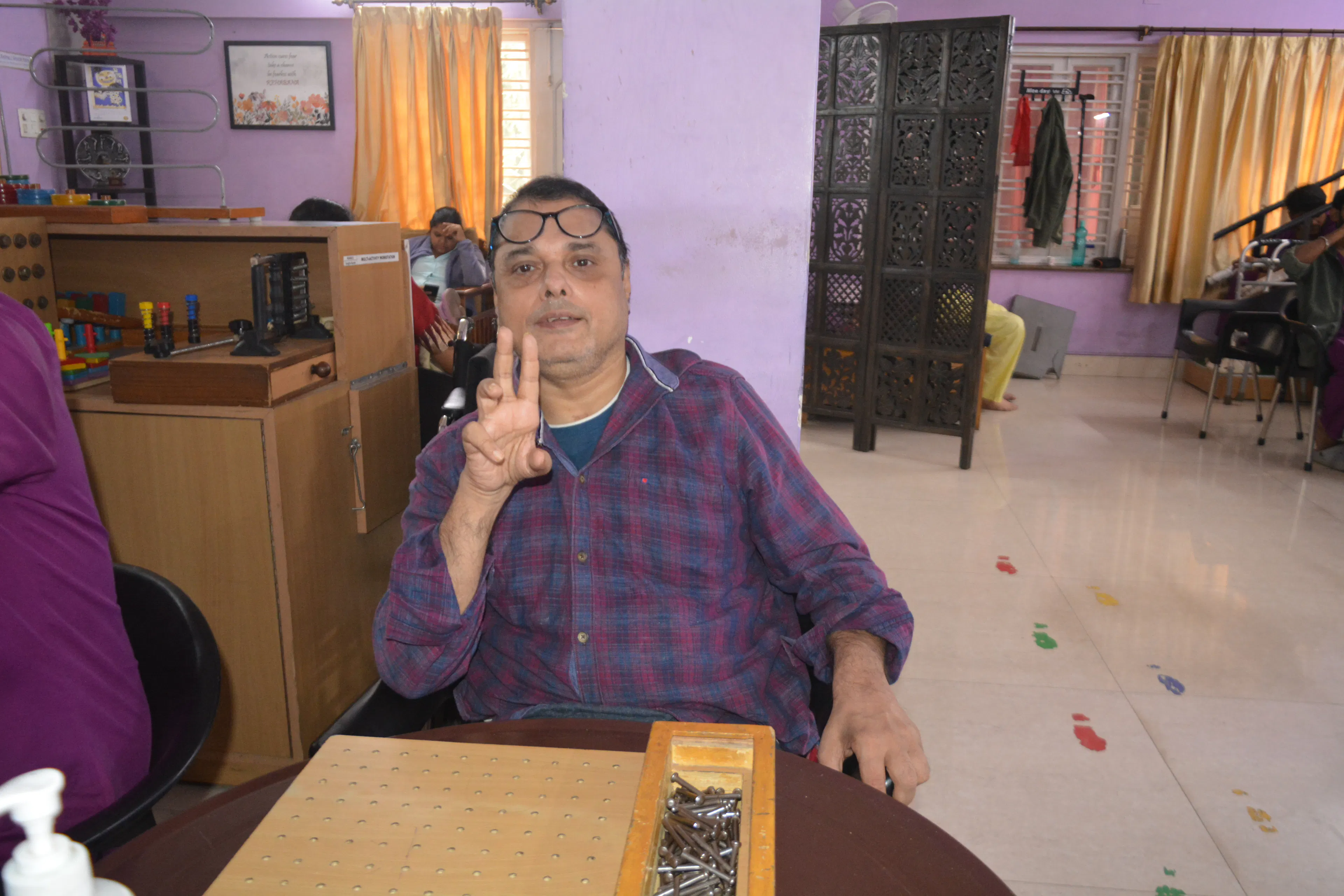
Let’s be honest – repetition is boring.
Patients don’t quit rehab because it doesn’t work.
They quit because it feels endless.
This is where virtual reality for stroke and motor rehabilitation quietly changed the game.
VR allows people with neurological impairments to practice real movements in simulated environments:
The difference is subtle but powerful. Patients stay engaged. They move more. They try harder.
And that matters – because motor recovery depends on repetition, not motivation speeches.
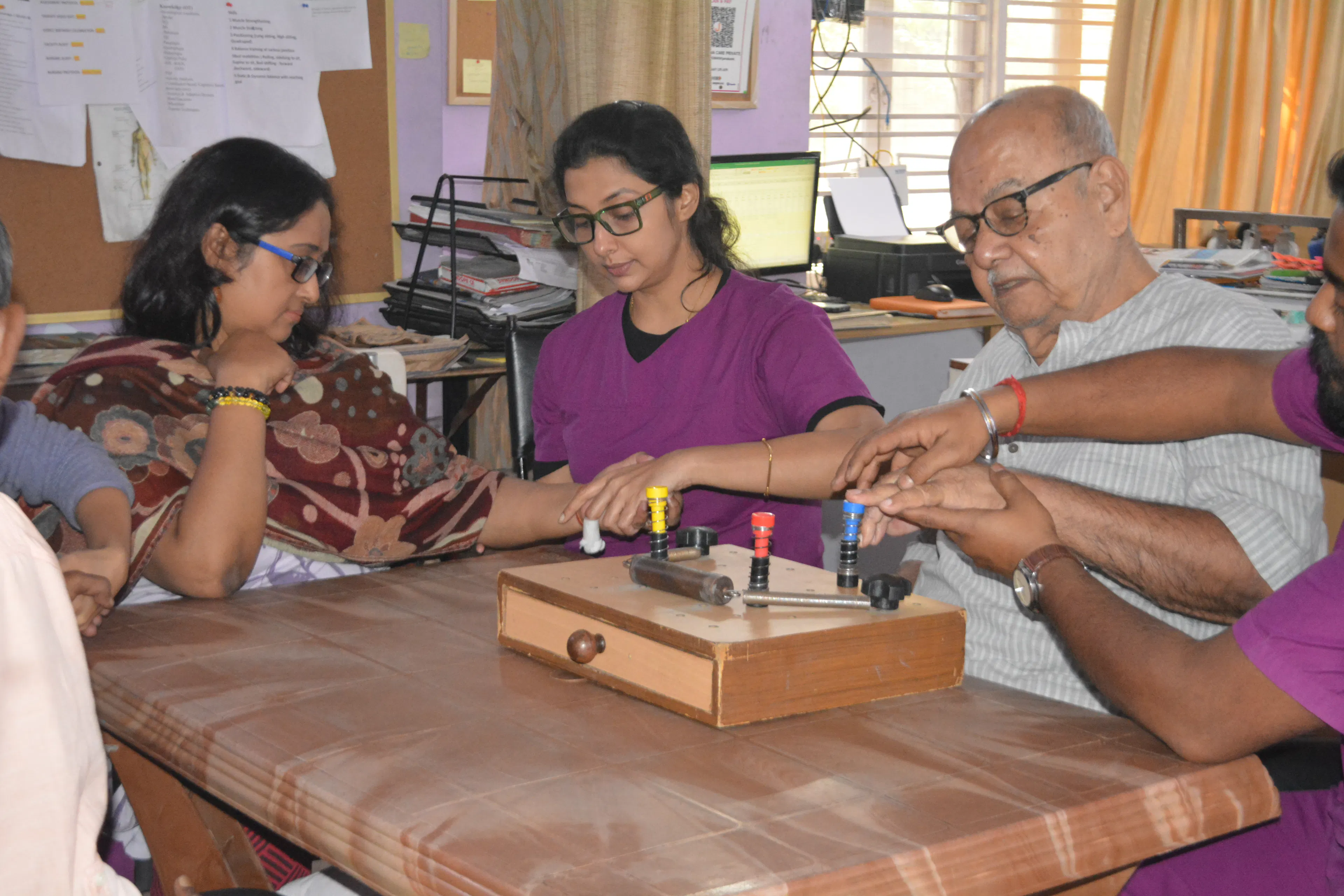
No therapist – no matter how skilled – can manually deliver hundreds of identical, high-quality movements per session.
Robots can.
Robotic rehabilitation systems don’t think. They don’t improvise. They don’t replace clinical judgment.
What they do provide is consistency.
Research and clinical practice now agree on one thing: robot-assisted neurorehabilitation effectiveness is maximized when paired with conventional therapy, not used alone.
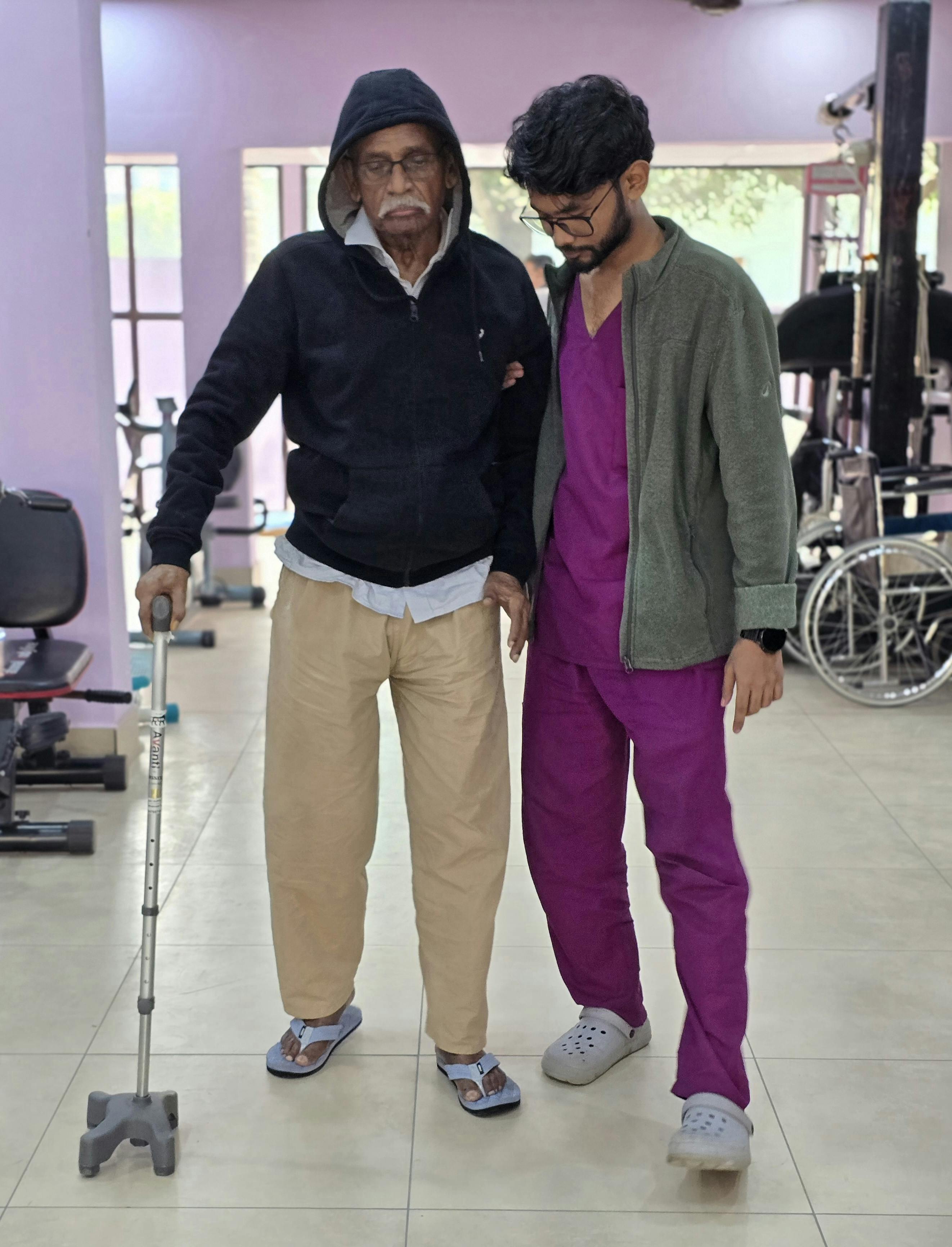
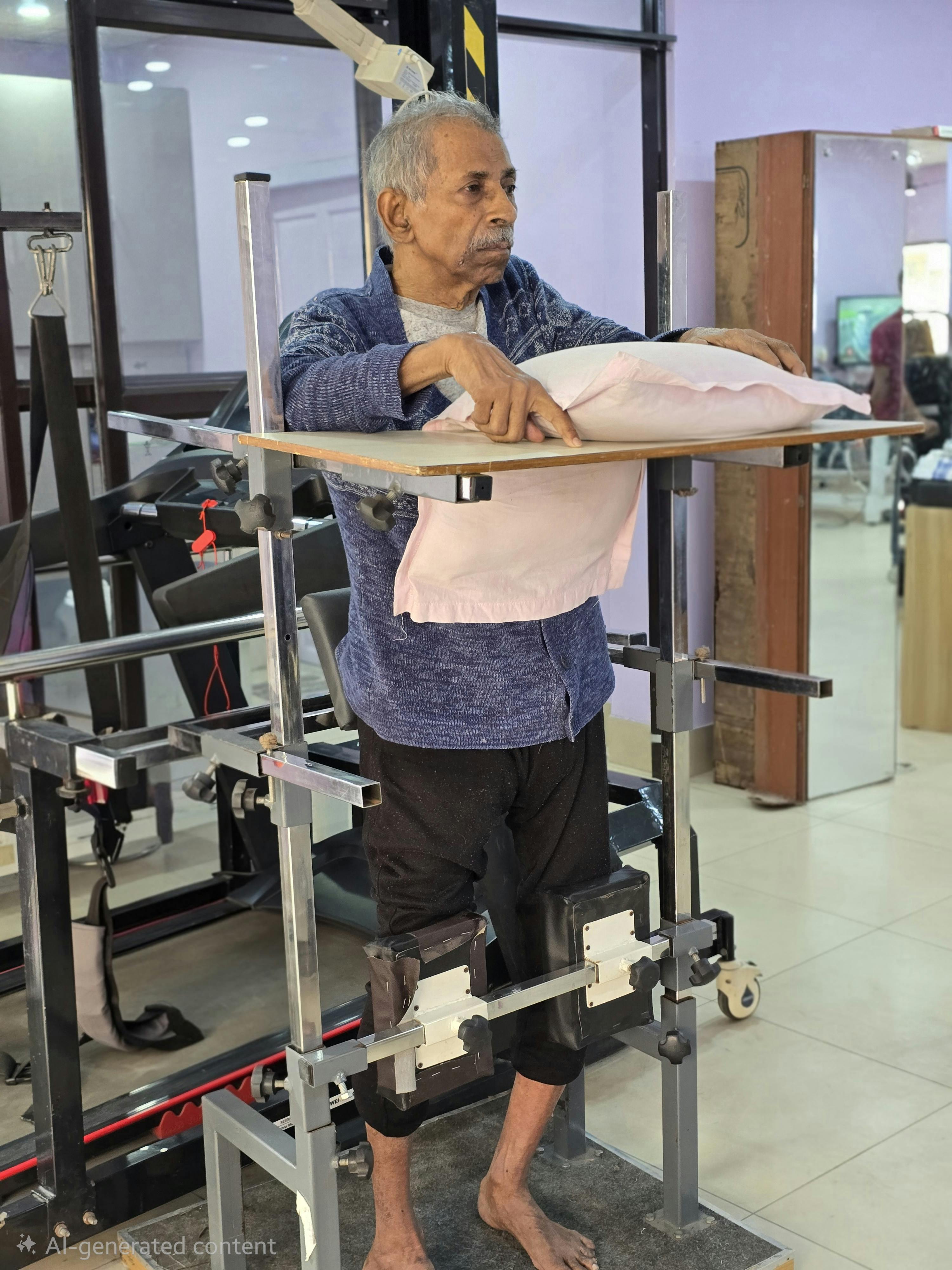
For individuals with spinal cord injury, standing isn’t just physical – it’s neurological.
Using an exoskeleton:
Even in chronic cases, assisted walking has been shown to improve motor function and overall physical activity levels.
The body remembers more than we once believed.
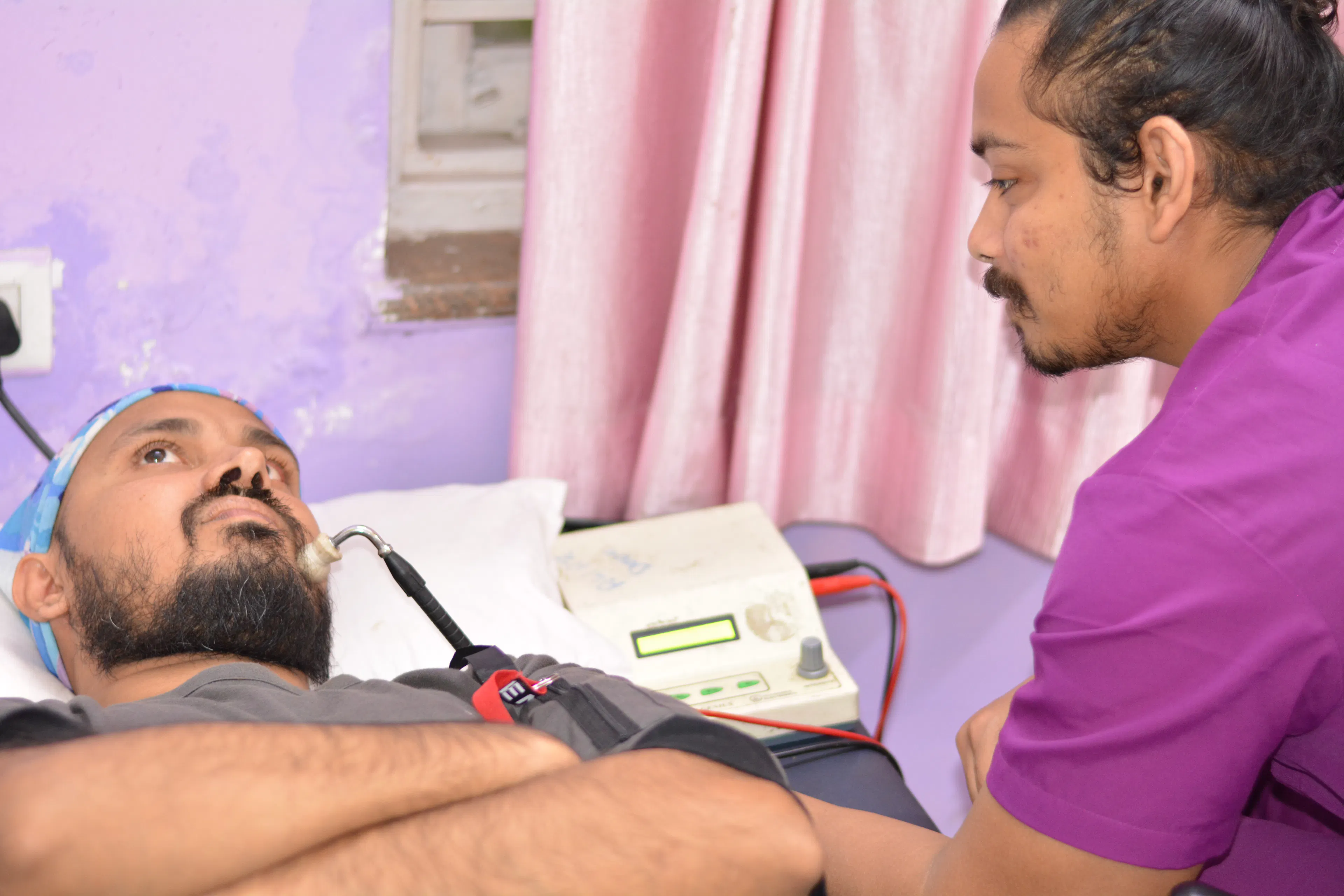
One of the most misunderstood advances in neurorehabilitation is brain stimulation.
Techniques like:
don’t “fix” the brain.
They prime it.
Used alongside therapy, stimulation helps increase cortical responsiveness – making therapy sessions more effective, especially for:
This is why physical medicine and rehabilitation specialists increasingly integrate stimulation into structured treatment plans.
Read more: Best Neuro Rehabilitation Center: Stroke Recovery in Kolkata
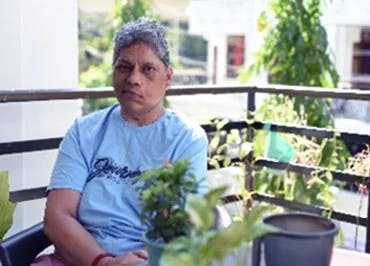
Earlier, rehab relied heavily on observation.
Now, with tools like EEG and advances in clinical neurophysiology, therapists can see how the brain responds during rehabilitation interventions.
That matters because recovery isn’t linear.
Some days the nervous system is ready. Some days it isn’t.
Data helps clinicians adjust treatment plans, rather than forcing progress that isn’t neurologically supported.
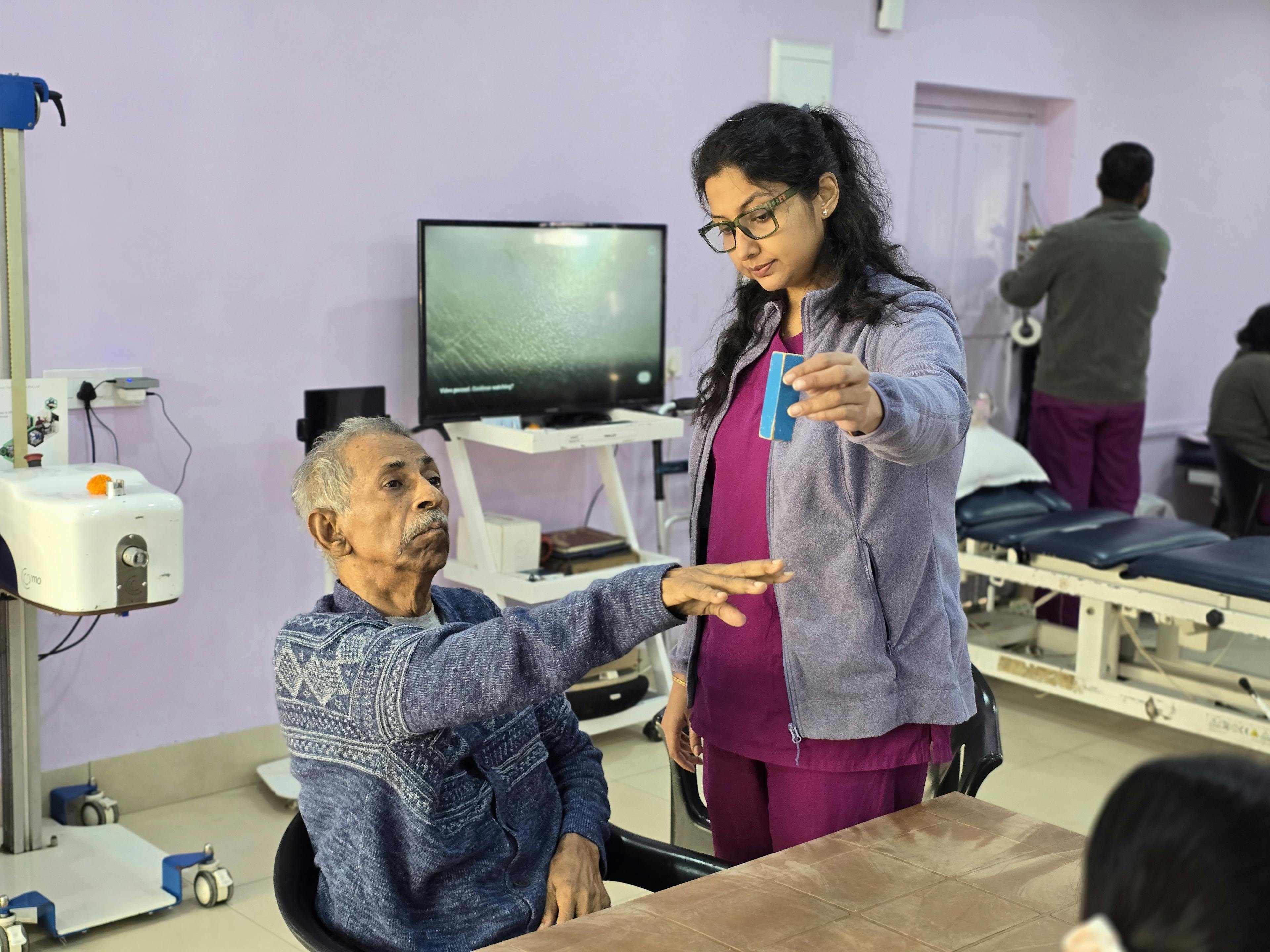
Families often say:
“Physically, they’re better… but something is still off.”
That “something” is usually cognitive.
Modern cognitive rehabilitation focuses on:
Using immersive and task-oriented approaches, therapists now address both motor and cognitive recovery together – because daily life doesn’t separate them.
Walking often returns before hand function.
That’s frustrating – and deeply limiting.
Innovations like:
have significantly improved upper limb recovery, especially when therapy intensity is increased safely.
This is one of the most promising areas in current neurorehabilitation research.
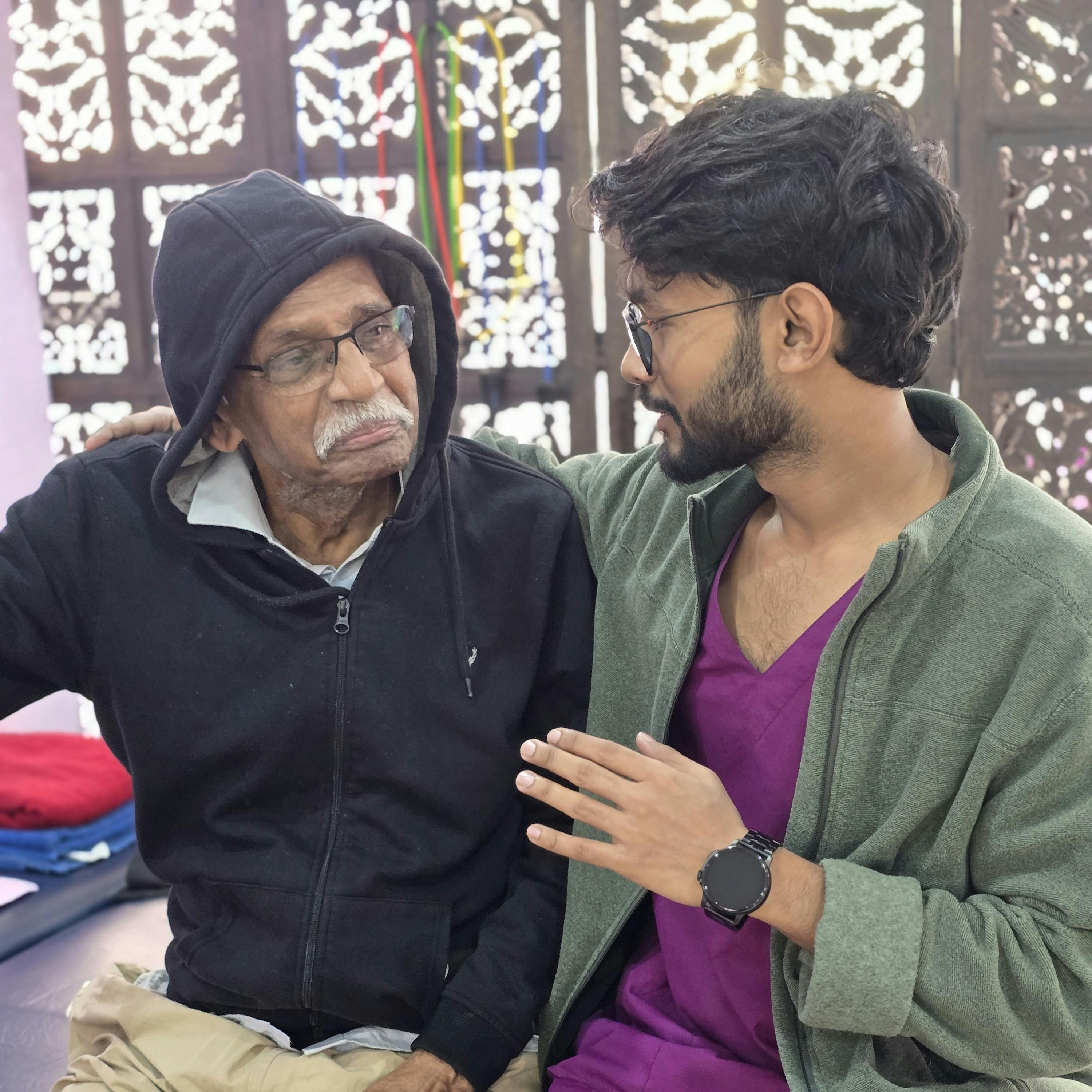
Traditional rehabilitation built the foundation.
But innovative approaches have filled the gaps:
This shift isn’t theoretical. It’s visible every day in therapy gyms and inpatient units.
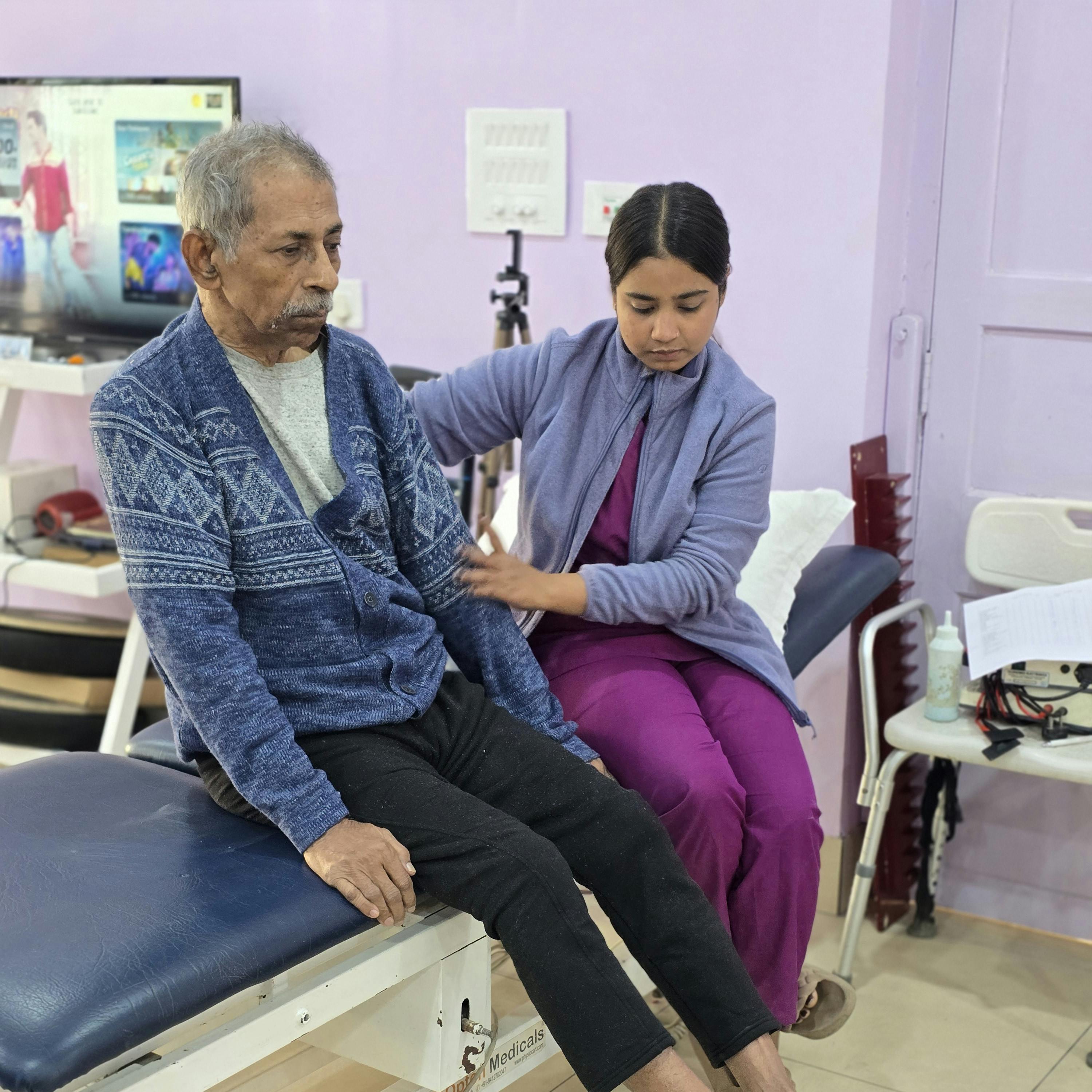
There’s a growing body of evidence:
But good clinicians don’t chase trends.
They combine research and clinical experience, choosing what actually improves outcomes for patients – not what looks impressive.
Here’s the truth AI detectors can’t measure:
Technology only works when patients feel safe, understood, and encouraged.
Successful neurorehabilitation still depends on:
Innovation supports care – it doesn’t replace it.
These advances benefit individuals with:
In both acute and chronic stages, recovery is still possible – just different.
Know more: Post-Discharge Support by Best Neuro Rehabilitation Center
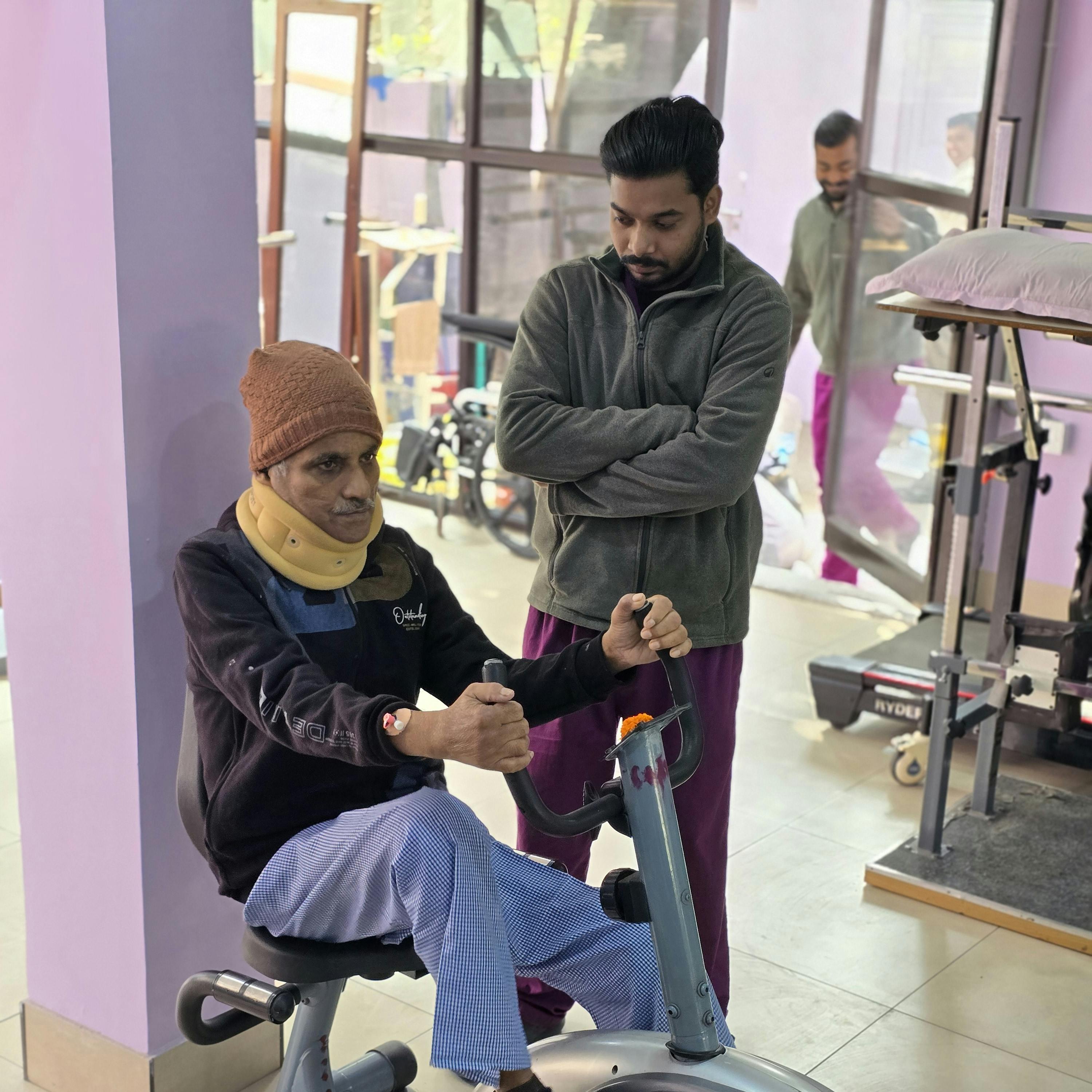
Neurorehabilitation isn’t becoming more mechanical.
It’s becoming more precise, more personal, and more realistic.
With advances in:
we’re finally respecting how the nervous system actually heals.
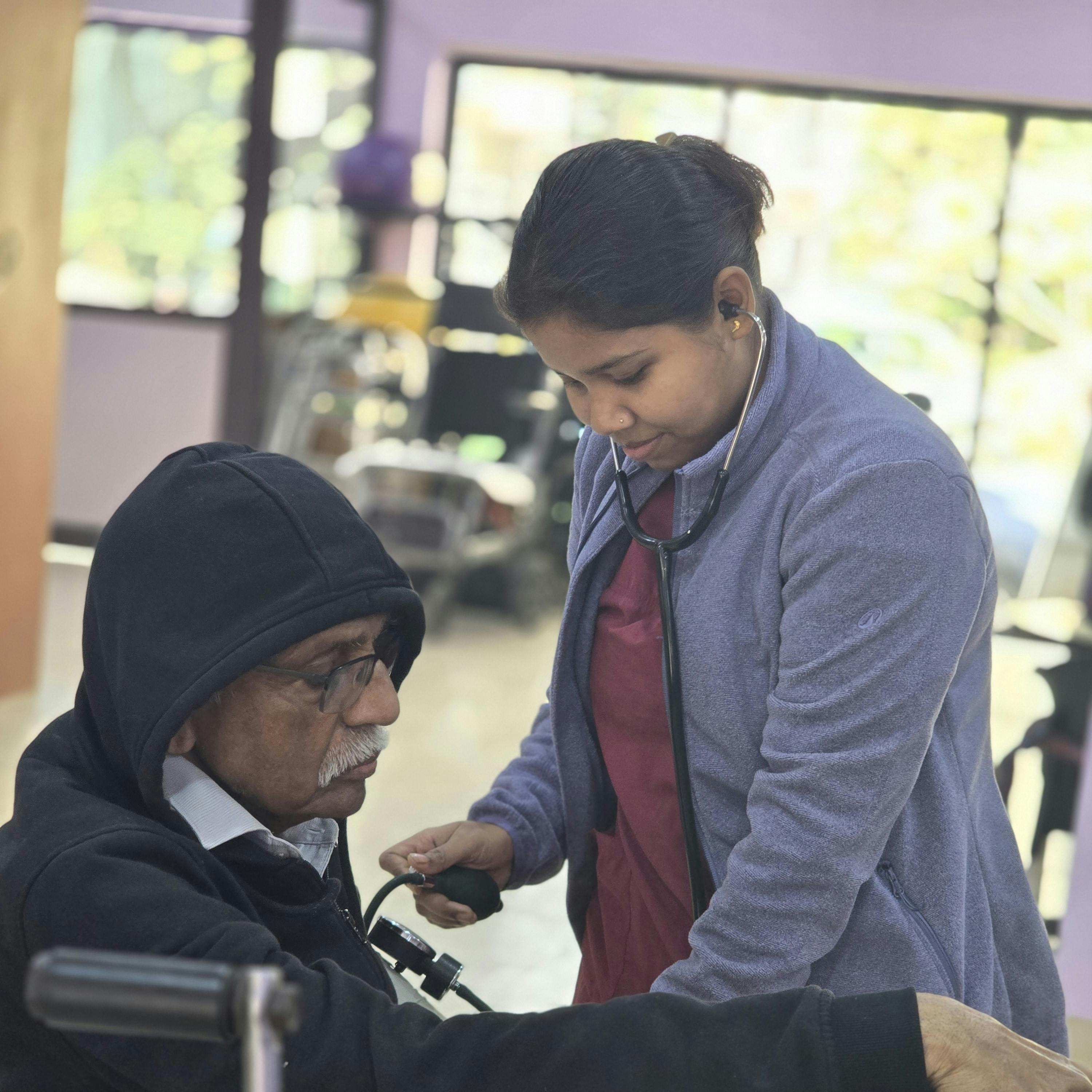
Recovery is not about doing more therapy.
It’s about doing the right therapy, at the right time, in the right way.
Innovation doesn’t promise miracles.
But it does something better – it makes progress possible again, especially when guided by the Best Rehab Centre In Kolkata.
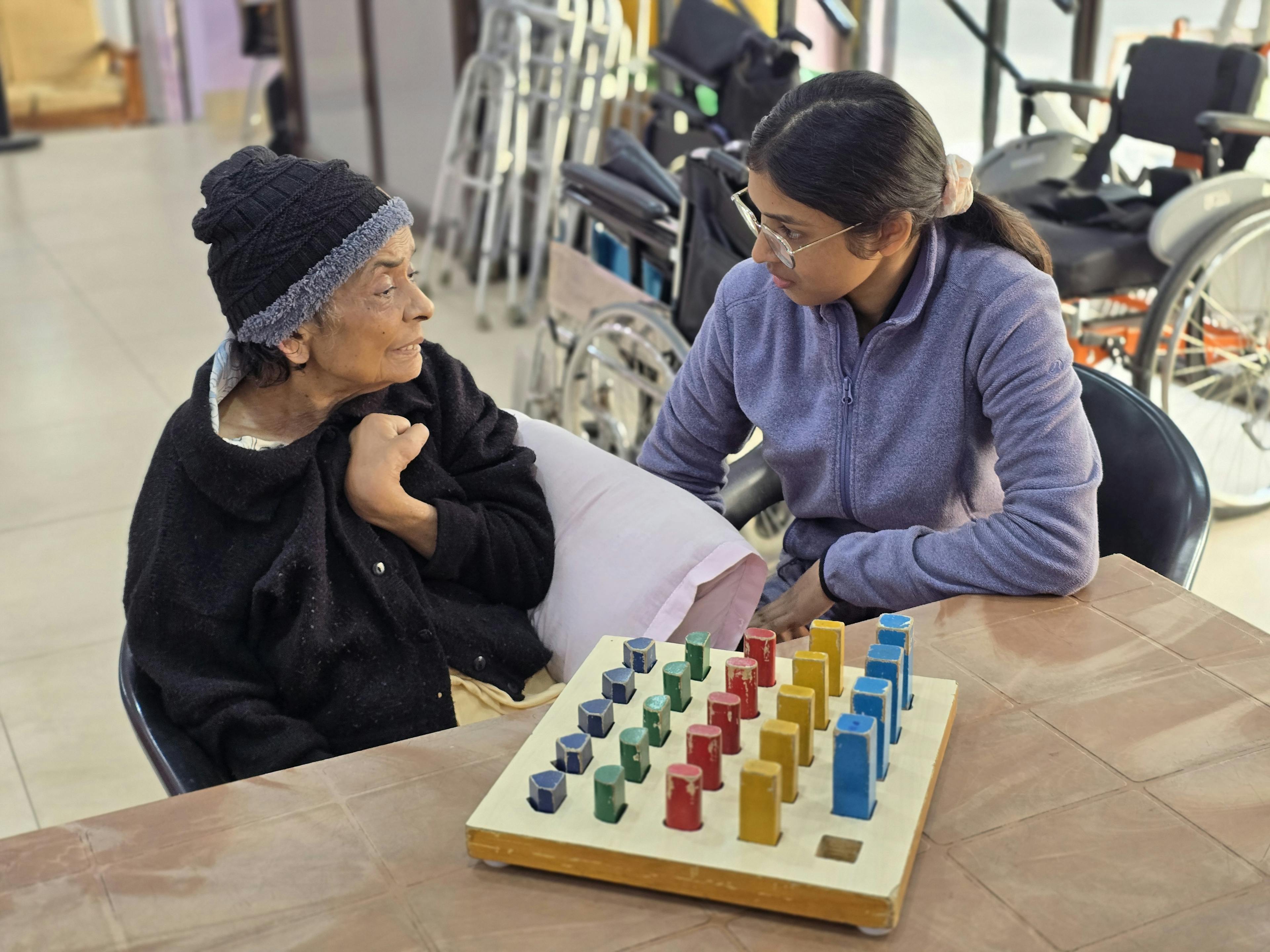
Discover how modern neurorehabilitation techniques can be safely tailored to your condition, stage of recovery, and goals.
Knowledge That Guides Recovery
Get expert neuro rehabilitation tips from the doctors at Rehabana, Kolkata — simple guidance on stroke recovery, spinal cord injury rehab, Parkinson’s care, and enhancing quality of life after neurological conditions.
Occupational Therapy for Traumatic Brain Injuries Helps Recovery. Discover how occupational therapy helps traumatic brain injury recovery.
Read More
How Speech Therapy Helps Patients with Parkinson’s Disease: Learn how speech therapy can help with slur, speech and swallowing difficulties.
Read More
Speech therapy and language therapy improve communication skills. Speech-language pathologists can help with speech and language, and swallowing.
Read More