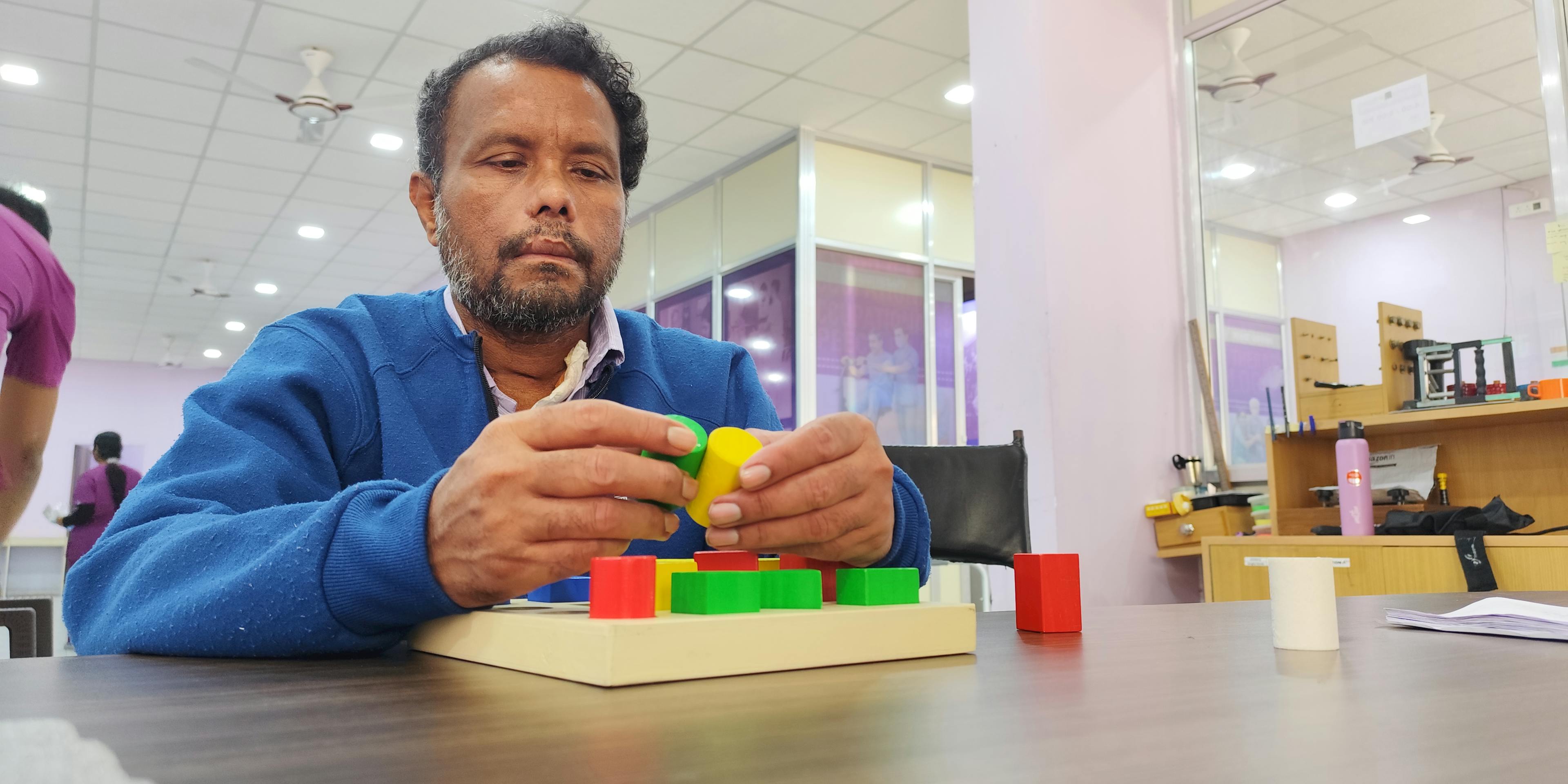
Occupational Therapy for Traumatic Brain Injuries Helps Recovery
Occupational Therapy for Traumatic Brain Injuries Helps Recovery. Discover how occupational therapy helps traumatic brain injury recovery.
Read MoreSpeech therapy helps people who struggle to speak, understand, or swallow after stroke,Braininjury, or neurological problems. In this guide, we’ll walk you through how it works in real life, what happens in a session, and how it supports recovery for both children and adults.
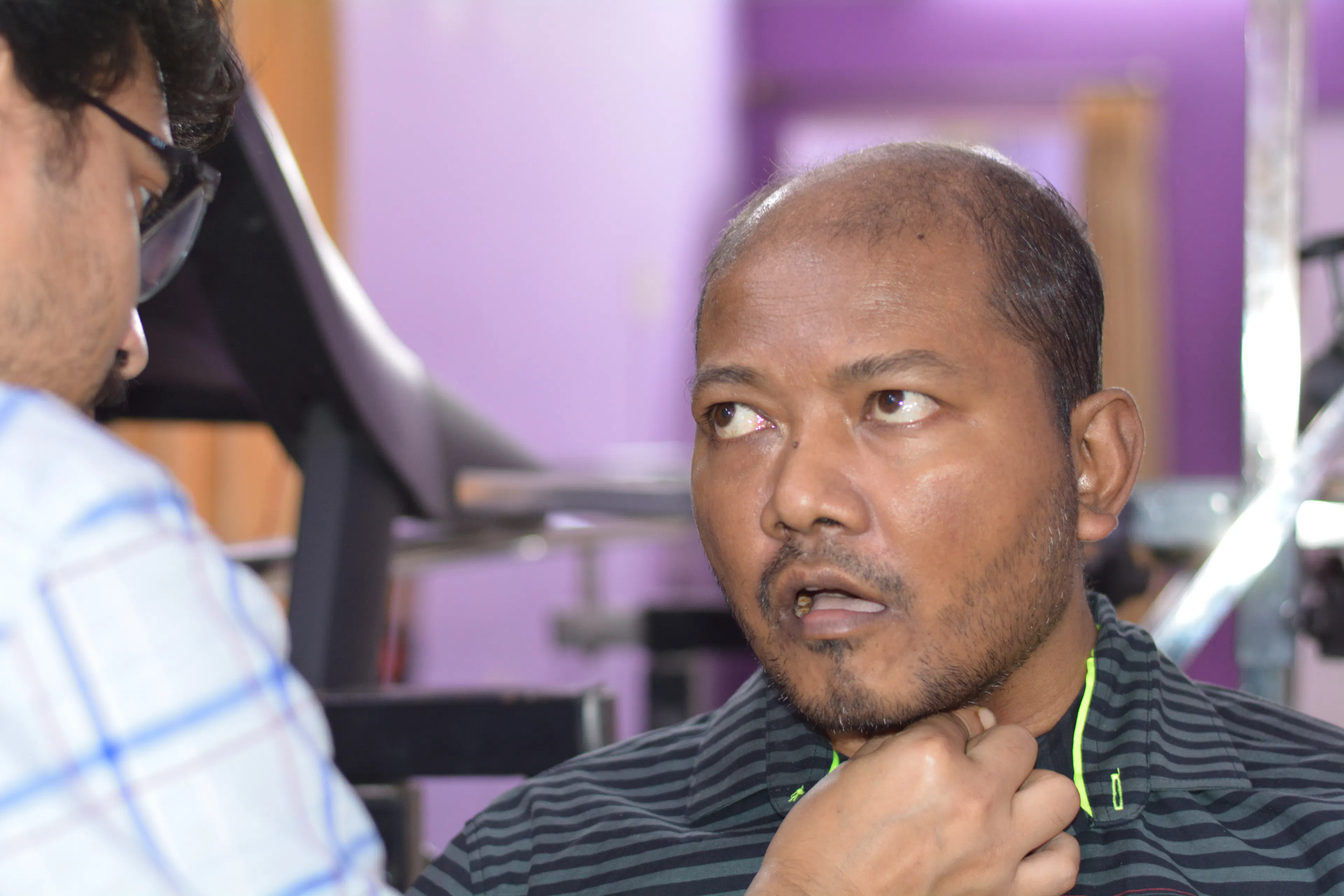
When speech affects, everything changes. A person who once spoke freely may suddenly struggle to say a word. Someone who loved long chats may now avoid even short conversations. Sometimes, even swallowing a sip of water feels unsafe.
For many families, this happens after a stroke, brain injury, or neurological disorder. For some children, speech never developed the way everyone expected. That’s usually the moment someone says, “Maybe we should try speech therapy in kolkata.”
At Rehabana Neuro Rehab Center, Kolkata, speech therapy is not about repeating random words in a room. It is about helping people communicate again in the real world – at home, at work, with family, on the phone, at the dining table.
Speech therapy is a form of rehabilitation that focuses on three main things:
A speech therapist (also called a speech-language therapist) works on:
You can think of it as coaching for the mouth, tongue, voice, brain and swallowing muscles, all at once.
Recommended: Speech Therapy: What It Is & How Speech and Language Therapy Works
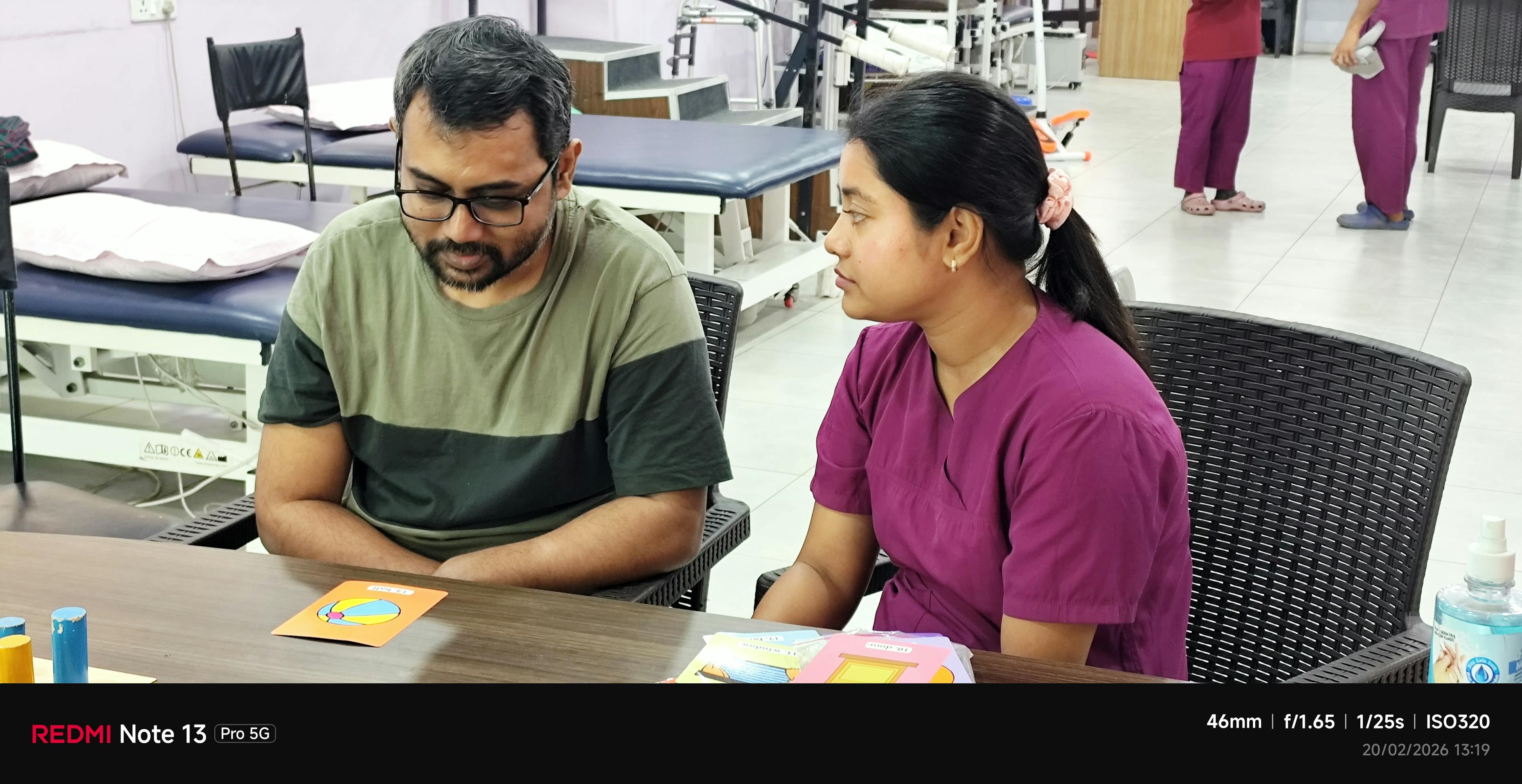
You might consider speech therapy if you notice one or more of these:
In short: if speech, understanding, or swallowing is making life harder for you or your loved one, a speech therapist can probably help.
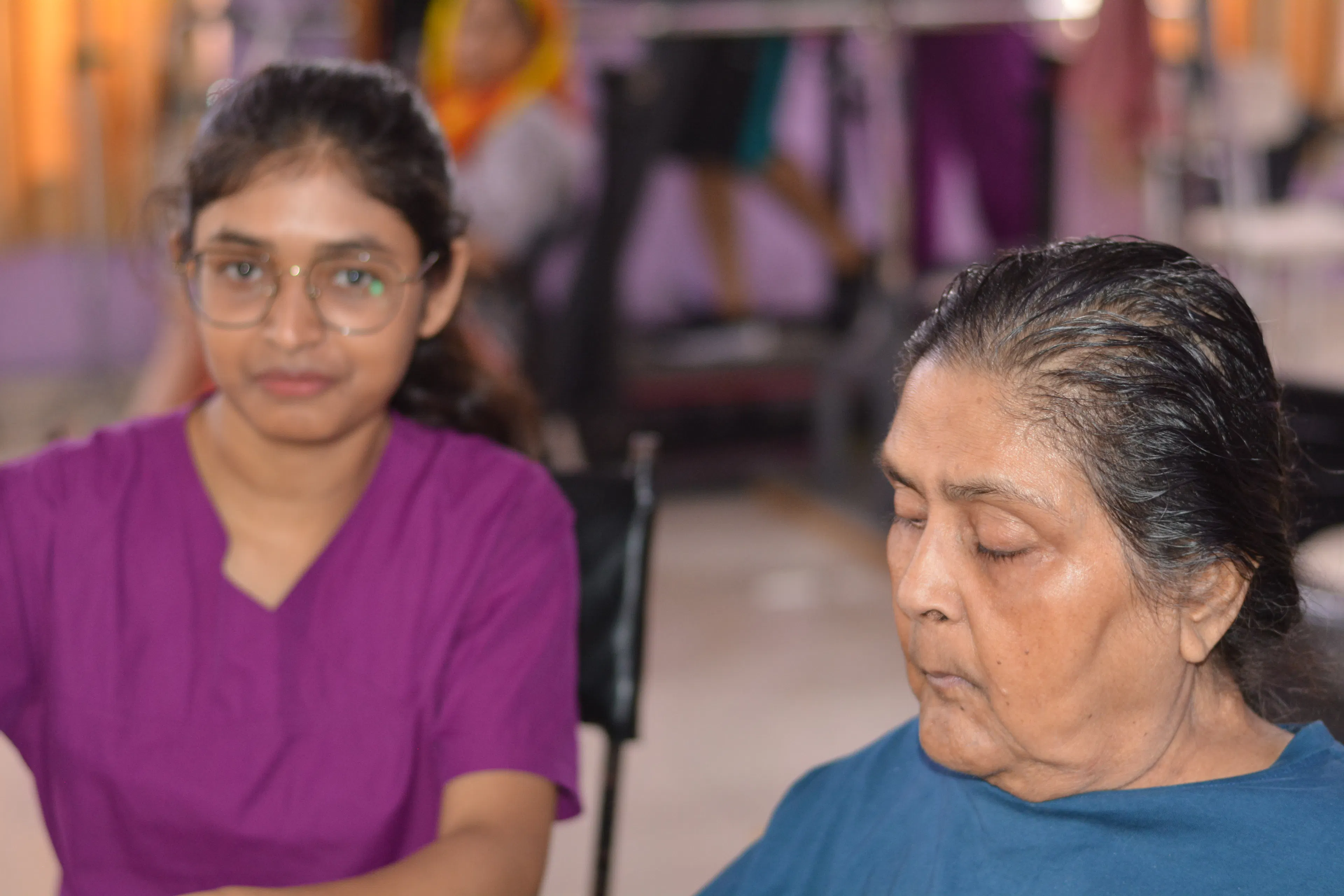
The first session is usually calm and relaxed. The therapist wants to understand two things:
Read more: Speech Therapy in Kolkata: Addressing Post-Operative Vocal Challenges
Depending on the case, the therapist may:
This is not an exam. It’s simply a way to map where you are right now, so the rehabilitation plan isn’t a guess.
Once the therapist understands the problem, the next part is about clear goals.
Examples:
These goals are discussed with you and your family. That way, everyone knows what we are working towards, and progress becomes visible, not vague.
Know more: Cost of Speech Therapy in Kolkata Compared to Other Cities
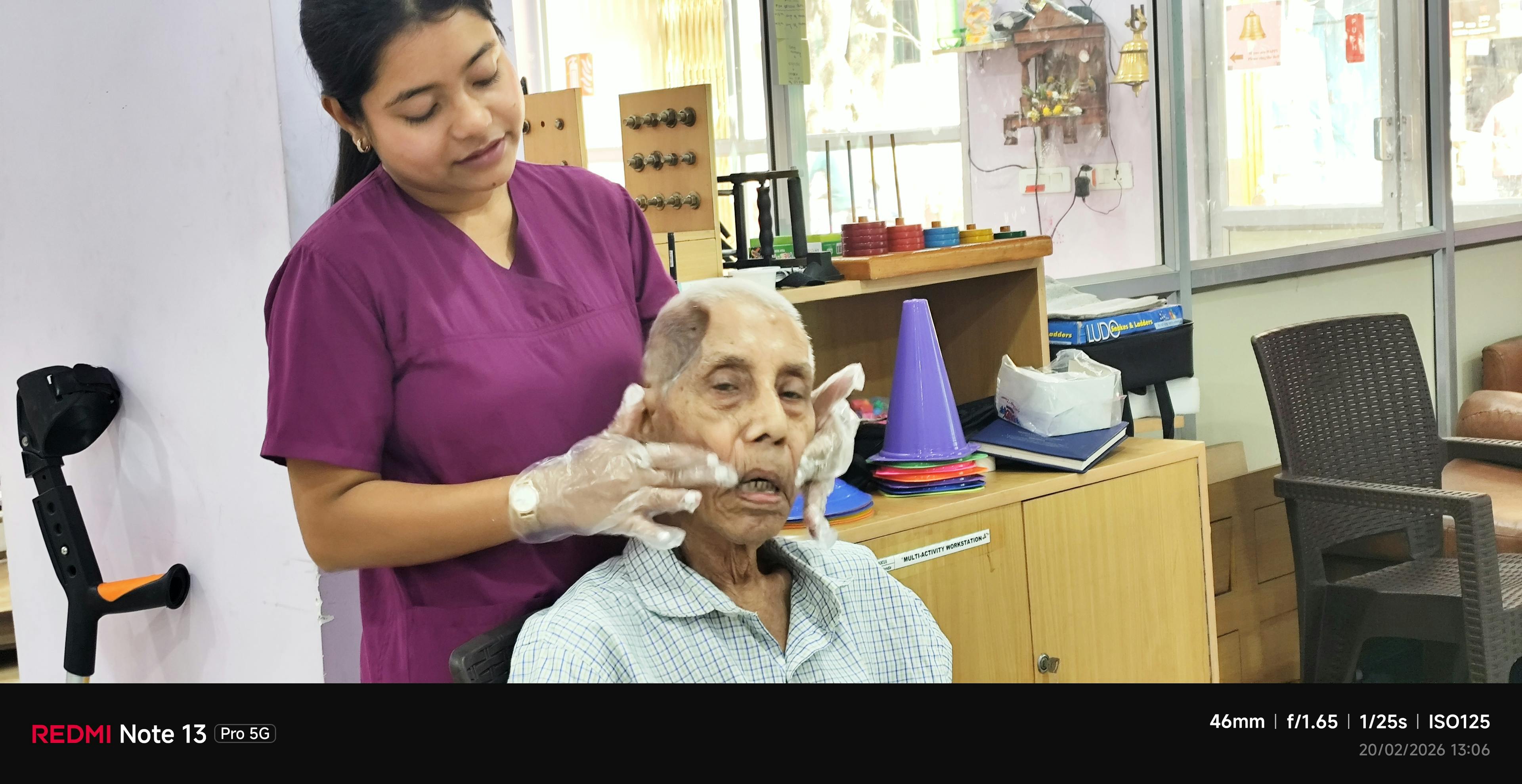
Every therapist has a slightly different style, but most sessions follow a simple rhythm.
A few minutes of:
This prepares the muscles and mind, just like warming up before a walk.
This part depends on your specific problem:
This is where it feels less like “therapy” and more like regular life:
At the end, the therapist gives a few short exercises for home.
These don’t need special tools often they can be done during meals, walks, or family time. This is where long-term progress really builds up.
For many families at Rehabana, the story starts with a stroke or head injury. The person survives the medical emergency, but now:
In these cases, speech therapy focuses on:
At Rehabana, this is always part of a larger neuro rehabilitation plan, along with physiotherapy and occupational therapy.
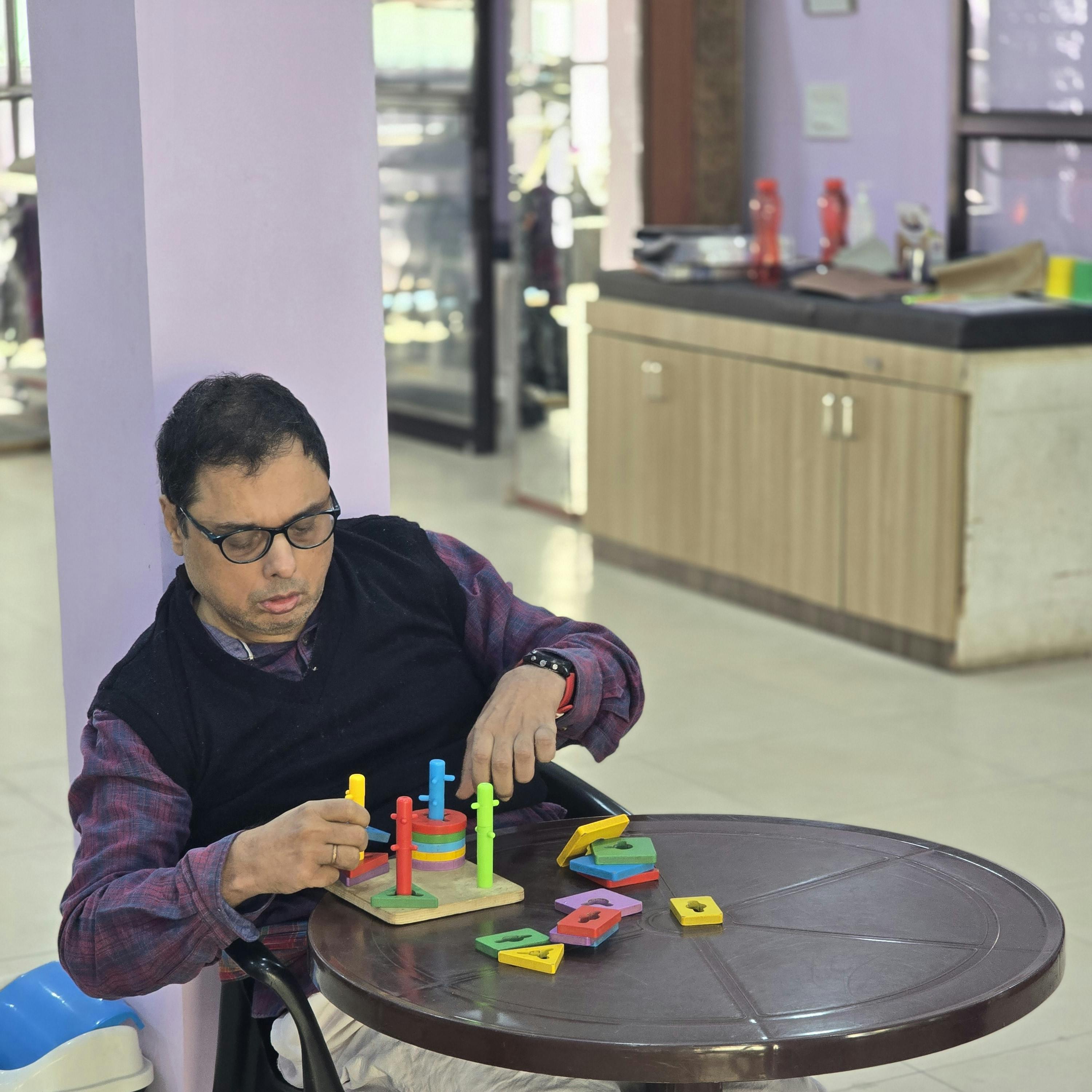
In children, therapy looks and feels very different from adult sessions. It’s more play, less “clinic.”
You might think about speech therapy for a child if:
Parents are a big part of this. Therapists often show parents small things to do at home during meals, playtime or bedtime so the child gets practice without feeling they are “studying” all the time.
Recommended: Speech Therapy’s Role in Autism: 7 Ways It Enhances Communication in Kolkata
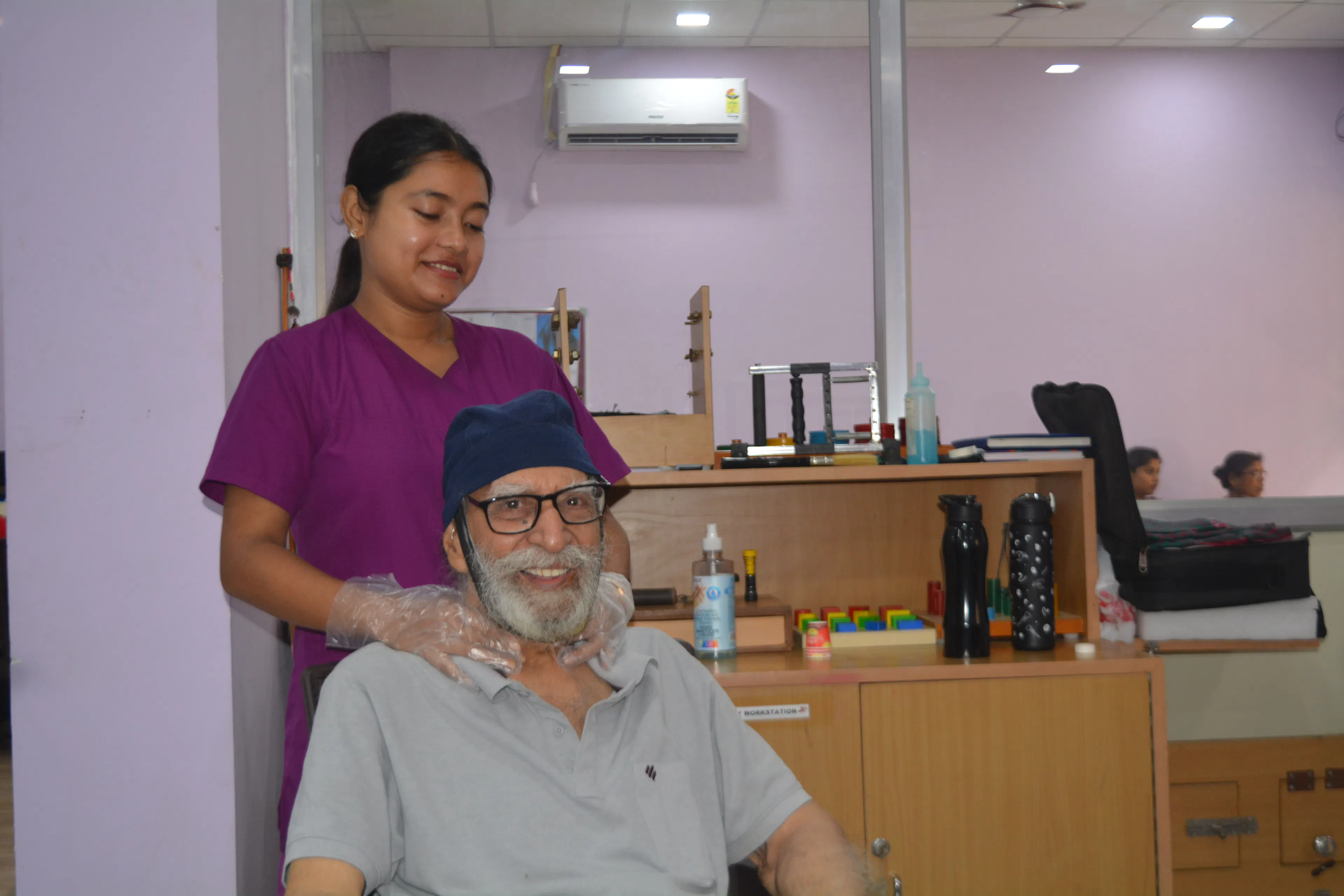
This is one of the most common questions. The honest answer is: it depends.
It depends on:
Some people feel a difference in a few weeks. Others, especially after serious brain events, may need months or ongoing support.
The important thing is not speed; it is steady, meaningful change in daily life being understood better, feeling safer while eating, feeling more confident to talk.
Speech therapy is not something that happens only inside the therapy room. Family support can change the whole journey.
You can help by:
When the family becomes a part of the rehab journey, people feel hopeful instead of helpless.
No. Adults and older people need it too especially after stroke, brain injury, surgery or neurological conditions.
Recovery in speech and language is often slow. Tiny steps matter. Stopping too early can waste the progress that is just beginning.
They might still be struggling with understanding, longer conversations, or swallowing. Therapy also looks at safety, confidence and quality of communication, not just the number of words.
At Rehabana – Neuro Rehab Center, Kolkata:
Our aim is not “perfect speech”.
Our aim is meaningful communication and safer swallowing, so life feels more like “life” again.
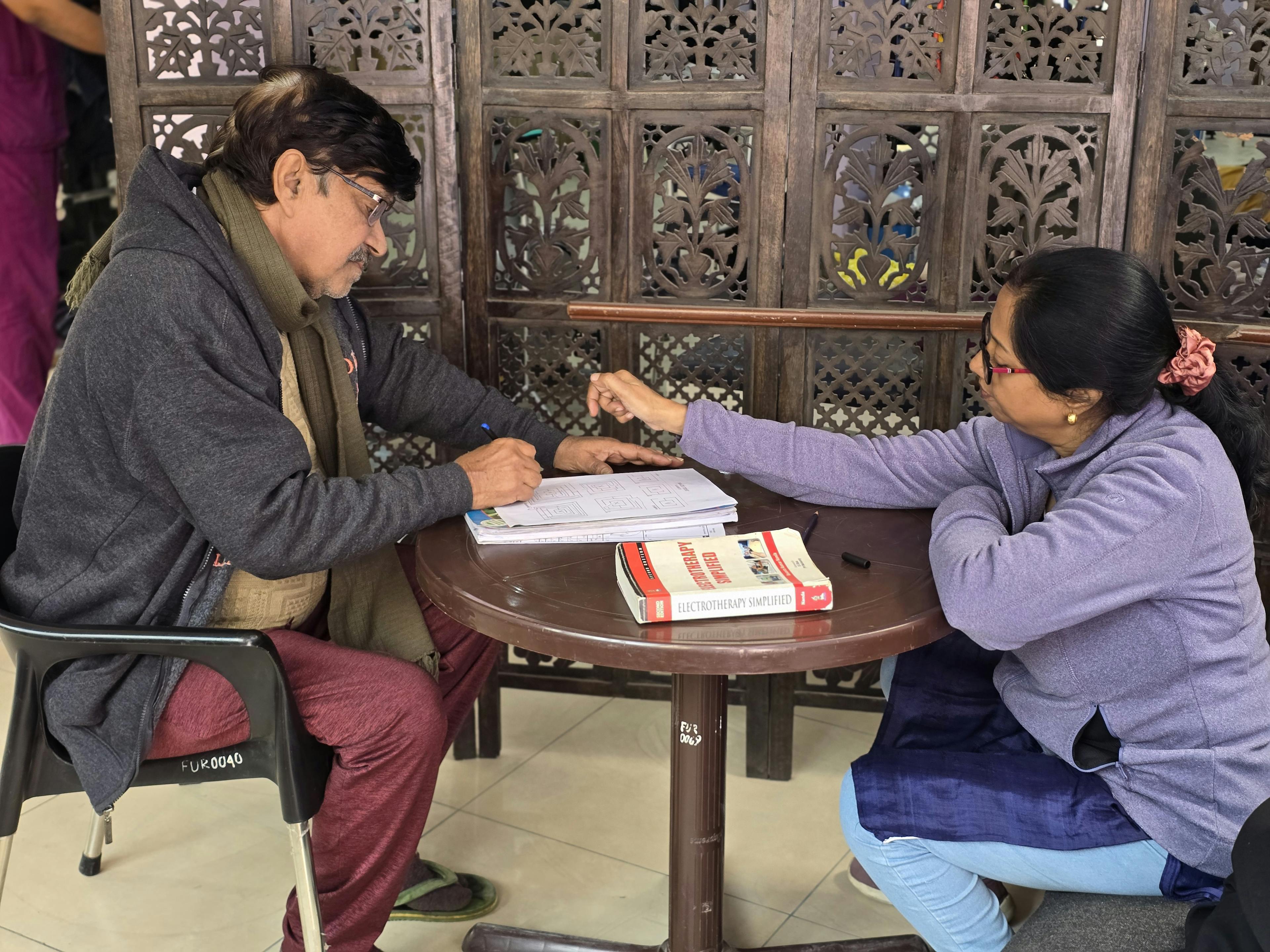
At Rehabana, therapy is personalised, compassionate, and part of a complete rehabilitation approach.
Knowledge That Guides Recovery
Get expert neuro rehabilitation tips from the doctors at Rehabana, Kolkata — simple guidance on stroke recovery, spinal cord injury rehab, Parkinson’s care, and enhancing quality of life after neurological conditions.
Occupational Therapy for Traumatic Brain Injuries Helps Recovery. Discover how occupational therapy helps traumatic brain injury recovery.
Read More
How Speech Therapy Helps Patients with Parkinson’s Disease: Learn how speech therapy can help with slur, speech and swallowing difficulties.
Read More
Speech therapy and language therapy improve communication skills. Speech-language pathologists can help with speech and language, and swallowing.
Read More