


Occupational Therapy for Traumatic Brain Injuries Helps Recovery
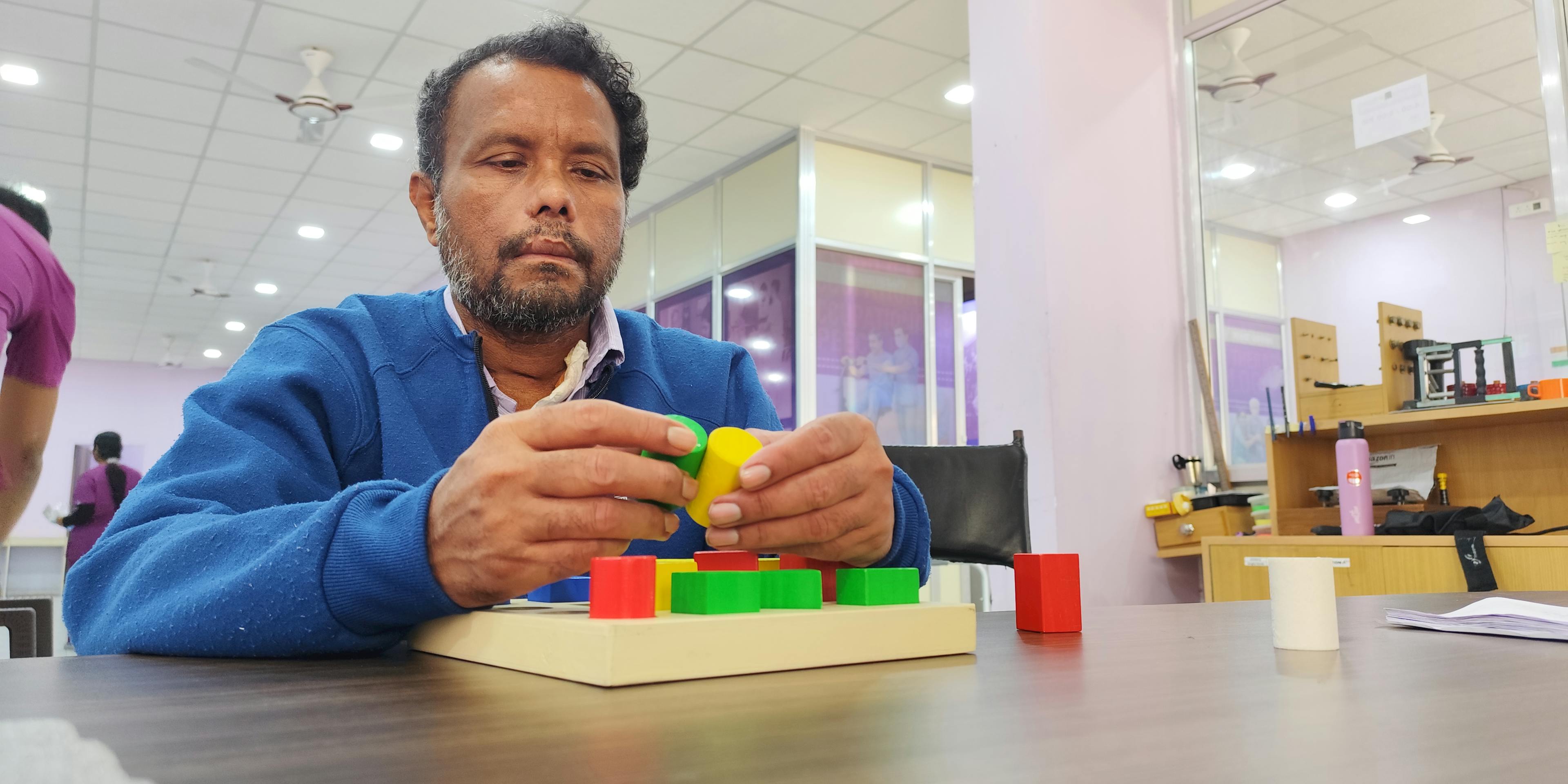
Occupational Therapy for Traumatic Brain Injuries Helps Recovery. Discover how occupational therapy helps traumatic brain injury recovery.
Read MoreSometimes healing doesn’t begin in a clinic room. It begins under open sky, among plants, fresh air, and natural light. Garden Therapy at Rehabana uses the calming power of nature to improve emotional balance, physical recovery, and mental clarity.
Reduces Stress & Anxiety
Supports Neuro Rehabilitation
Encourages Movement & Social Interaction
Improves Emotional Wellbeing Naturally

Where Nature Becomes Therapy
Garden Therapy, also known as horticultural therapy, is a structured therapeutic approach that uses gardening activities and natural surroundings to improve physical, emotional, and psychological health.
It is not just “spending time in a garden.”
It is a guided therapeutic process where patients engage in simple gardening tasks - touching soil, planting seeds, watering plants, observing growth - under professional supervision.
Nature has a calming effect on the nervous system. Being around greenery reduces stress hormones, improves mood, and increases focus. For neurological patients recovering from stroke, spinal cord injury, Parkinson’s, or brain injury, this environment also gently encourages movement, coordination, and balance.
At Rehabana, Garden Therapy is part of our holistic rehabilitation philosophy. We believe healing happens not only through machines and medicine - but also through meaningful experiences.

Growth That Mirrors Recovery
Watching a plant grow from a seed reminds us that progress takes time.
Some days show visible growth. Some days don’t. But growth is still happening.
Garden Therapy builds patience, resilience, and hope. It reduces stress hormones and improves emotional stability. For caregivers too, spending time in a therapeutic garden space offers relief from daily stress.
This is one of the innovative steps adopted at REHABANA which combines occupational therapy and psychotherapy. Patients are encouraged to adopt a tub in our balcony garden, develop the soil, plant a sapling and nurture it during her stay at REHABANA. It makes for good mobility of fingers and hand along with the pleasure and satisfaction of making some positive change. This we realise helps every patient to return to meaningful functional lifestyle
Sometimes, healing happens quietly - under open sky.

Natural Healing for Modern Stress
In today’s fast-paced life in Kolkata, many people feel mentally drained and emotionally disconnected. Screens dominate our time. Stress builds quietly.
Nature restores balance.
Research shows that exposure to greenery improves emotional wellbeing, builds resilience, and reduces symptoms of anxiety and low mood. For patients in neuro rehabilitation, outdoor therapeutic activities stimulate multiple senses - sight, smell, touch - which activates brain pathways in a gentle and encouraging way.
Garden Therapy can help:
Patient Stories
Hear directly from patients and families who have experienced meaningful recovery at Rehabana. Their stories reflect our commitment to personalized care, consistent progress, and compassionate support throughout the rehabilitation journey.
Your Recovery Starts With the Right Care

Our treatments follow evidence-based protocols delivered by certified rehabilitation professionals.

Specialized care for stroke, paralysis, spinal injuries, and chronic pain recovery.

Continuous care and emergency assistance whenever you need us.

Therapeutic Nature for All Ages
Garden Therapy at Rehabana is a gentle and effective way to support emotional, mental, and physical recovery. It is especially beneficial for individuals who feel isolated, demotivated, or emotionally withdrawn during their rehabilitation journey. Nature helps re-engage the senses, uplift mood, and provide a calming environment.
Garden Therapy Supports:
Simple Activities, Powerful Impact
Guided gardening activities designed to improve mood, coordination, focus, and emotional balance.

Patients are introduced to the garden space and activities in a calm, structured manner.
Planting seeds, watering plants, trimming leaves, or arranging pots - activities are adapted to physical ability.


Touching soil, smelling flowers, observing colors - these stimulate brain and emotional centers.
Patients share their experience. Therapists gently connect activities with emotional growth and resilience.
Beyond Traditional Therapy
For patients recovering from neurological injury, repetitive indoor therapy can sometimes feel tiring or mechanical.
Garden Therapy changes that experience.
Natural environments reduce muscle tension and mental fatigue. Gentle gardening tasks improve fine motor skills, grip strength, and coordination. Standing and walking in garden pathways improve balance training in a relaxed way.
Emotionally, patients feel less like “patients” and more like participants in life.
That shift in mindset is powerful.
When mood improves, motivation improves. When motivation improves, rehabilitation participation increases.
Garden Therapy supports both body and mind - which is essential for long-term recovery.
Where Nature Meets Real Rehabilitation
At Rehabana, Garden Therapy isn’t an “extra activity.” It’s a meaningful part of recovery. We use nature intentionally - alongside physiotherapy and psychotherapy - to support both emotional wellbeing and neurological rehabilitation in a calm, supervised setting.
Anyone can water a plant. But in our sessions, every activity has a reason behind it. A simple act like planting or trimming is used to improve coordination, balance, attention, or emotional regulation. Our therapists gently guide patients so the experience supports both behavioural and physical progress.

We don’t treat Garden Therapy as separate from treatment. If someone is already undergoing physiotherapy or psychotherapy, we align the garden sessions with those goals. For example, a patient working on hand grip strength may do potting activities. Someone dealing with low mood may benefit from structured sensory engagement outdoors.

Sessions are guided by trained therapists and mental health professionals based in Kolkata who understand neurological conditions and emotional challenges. Safety always comes first. Activities are adapted to physical ability - no pressure, no comparison, no rush.
Rehabilitation can sometimes feel repetitive. Being outdoors changes the emotional experience. Fresh air, natural light, and greenery reduce stress levels naturally. Patients often feel calmer and more open. That shift in mood supports overall recovery more than people expect.
Not everyone finds it easy to talk. In a garden setting, conversations happen more naturally. While arranging plants or touching soil, emotions surface gently. It becomes a safe space without feeling like a formal counselling room.

Garden Therapy isn’t about dramatic overnight change. It’s about steady emotional balance. Over weeks, patients become more engaged, more confident, and more motivated in their overall rehabilitation journey.
Reconnect with Nature
Let recovery feel less clinical and more meaningful. Discover how Garden Therapy can support emotional balance and physical rehabilitation.
Our Features
Our features are designed to help you achieve your goals.

Helping individuals regain independence by improving daily living skills, motor coordination, and functional abilities.

Restoring movement, strength, and physical function through targeted exercises and evidence-based rehabilitation techniques.

Speech therapy helps improve communication, clarity, and safe swallowing for patients with speech or language difficulties.
FAQs
Get answers to common questions about Garden Therapy, its benefits, safety, and how it supports recovery for patients and caregivers.
Garden Therapy uses nature-based activities, such as planting, trimming, and sensory engagement, to support emotional, mental, and physical recovery. It benefits stroke and brain injury patients, individuals with Parkinson’s, spinal cord injuries, children needing sensory engagement, elderly individuals, people with anxiety, and caregivers seeking emotional relief.
Knowledge That Guides Recovery
Get expert neuro rehabilitation tips from the doctors at Rehabana, Kolkata — simple guidance on stroke recovery, spinal cord injury rehab, Parkinson’s care, and enhancing quality of life after neurological conditions.
Occupational Therapy for Traumatic Brain Injuries Helps Recovery. Discover how occupational therapy helps traumatic brain injury recovery.
Read More
How Speech Therapy Helps Patients with Parkinson’s Disease: Learn how speech therapy can help with slur, speech and swallowing difficulties.
Read More
Speech therapy and language therapy improve communication skills. Speech-language pathologists can help with speech and language, and swallowing.
Read More