Occupational Therapy for Traumatic Brain Injuries Helps Recovery
Occupational Therapy for Traumatic Brain Injuries Helps Recovery. Discover how occupational therapy helps traumatic brain injury recovery.
Read MoreRehabilitation in India is slowly changing. From being almost invisible, it’s now becoming the bridge between survival and living fully. Let’s talk about what the future looks like.
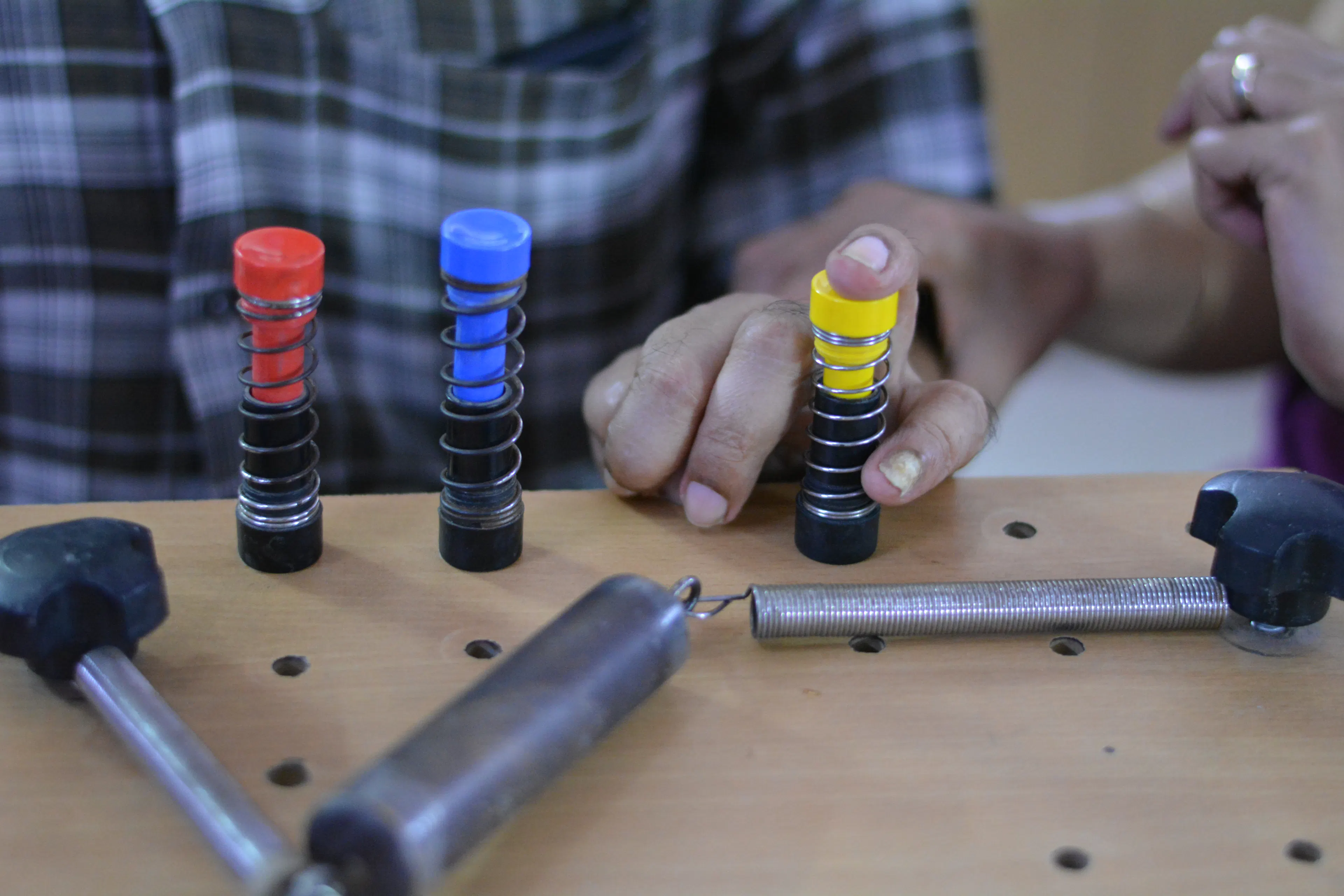
Let me share a story.
A 28-year-old man meets with a road accident. The hospital doctors work day and night, and finally, they save his life. His parents are relieved, he is alive.
But when he comes home, reality hits. He cannot walk without help. He cannot go back to work. His parents wonder, “Now what? How do we bring life back to normal?”
This is where rehabilitation services should begin.
But in India’s rehabilitation landscape, for many years, rehabilitation was hardly known. Families thought once the hospital treatment was done, recovery would happen naturally. In most cases, it didn’t.
Now things are changing. Step by step, rehabilitation in India is being integrated into the health system. Families are learning that rehabilitation is not extra, it’s essential. It is the missing piece between surviving and living again.
The future of rehabilitation in India is filled with hope more rehabilitation centers, better technology, trained rehabilitation professionals, and awareness among families. Let’s explore this future together.
India has one of the largest numbers of people with disabilities and patients who need comprehensive rehabilitation. Why? Because:
The World Health Organization and the International Classification of Functioning, Disability and Health (ICF) say 1 in 3 people could benefit from rehabilitation. For India, that’s millions of disabled people with rehabilitation needs.
So the question is not “Do we need rehabilitation?” The real question is: “How do we make access to quality rehabilitation services easy, affordable, and available for every family?”
Must Read: Core Components of Rehabilitation -What Most People Get Wrong
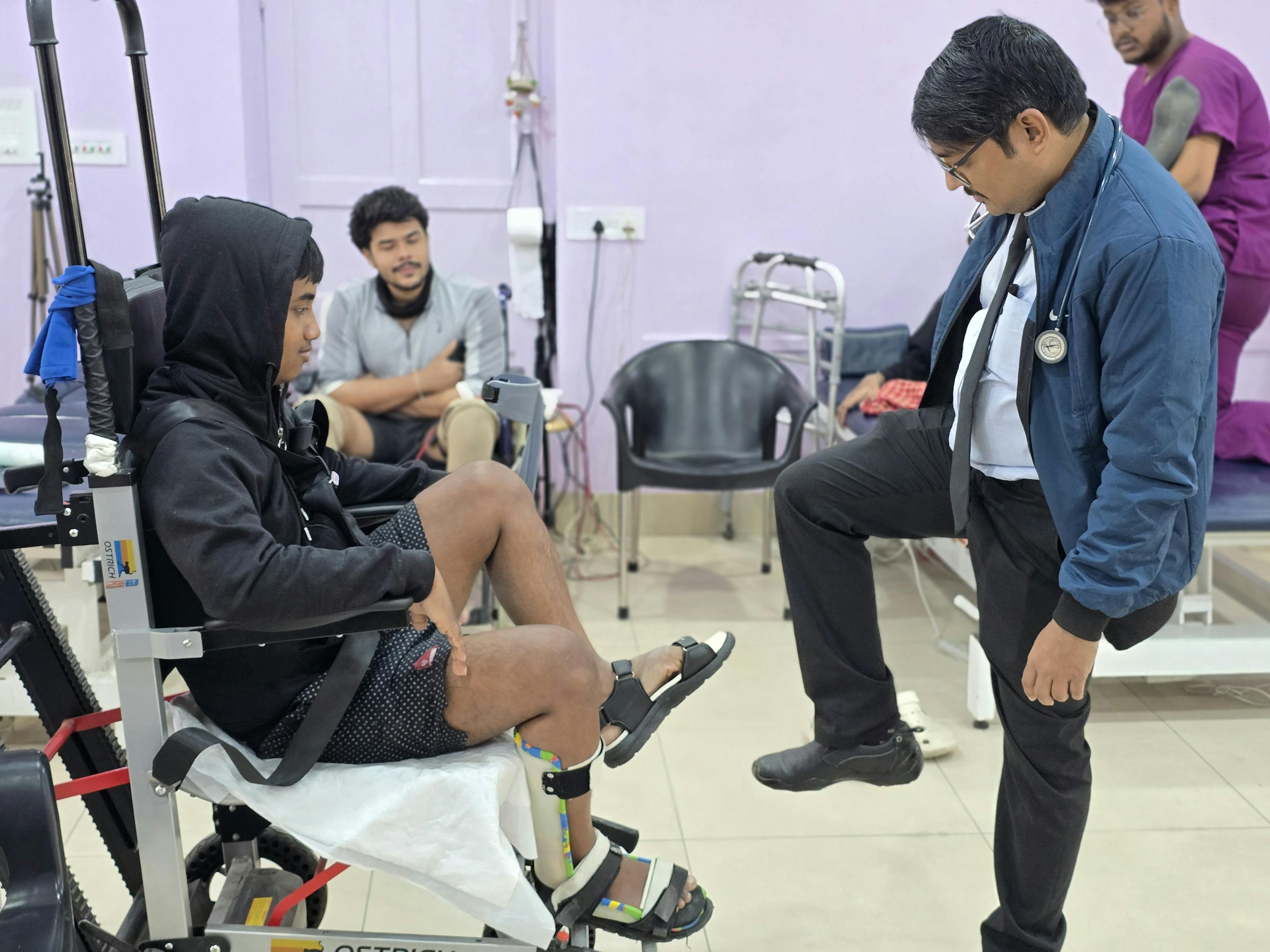
Before we dream about the future, let’s face the truth of today’s rehabilitation sector:
These issues and challenges highlight why India must expand and integrate rehabilitation within public health, primary health care, and community level service delivery.
Recommended: Challenges of Rehabilitation in India
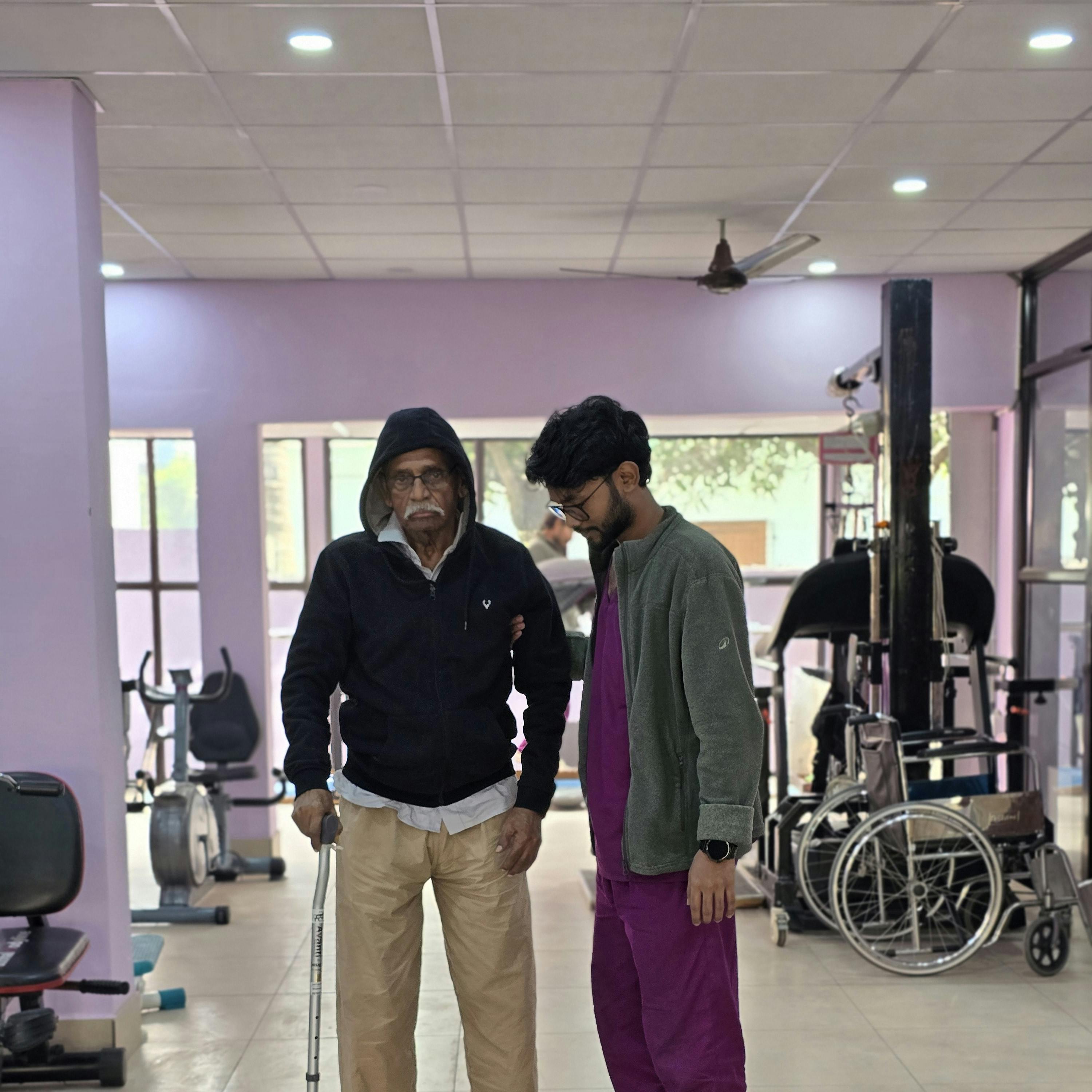
Now let’s look ahead at what’s coming. The future looks brighter, because change is already starting across the rehabilitation landscape.
Slowly, more people are learning that hospital treatment is not the end, it’s the beginning. Families will know that rehab is needed to bring life back to normal.
Even doctors will start referring patients to rehabilitation setups the moment life saving treatment is done. Early rehabilitation interventions will become standard.
Today, most hospitals have only small rehab units. But in the future, India will see more dedicated rehabilitation centers in kolkata, like Rehabana, where everything is designed for recovery.
These centers will offer:
This will improve rehabilitation outcomes and overall patient outcomes.
The rehabilitation sector will adopt advanced tools:
Technology will make rehabilitation interventions faster, motivating, and measurable.
Right now, most services are in big cities. The future will bring community-based rehabilitation, mobile rehab vans, and regional rehabilitation centers.
This will bridge the gap between urban and rural areas, improving equitable access to quality rehabilitation services.
India doesn’t have enough rehabilitation specialists today. But training will expand:
This workforce expansion will strengthen rehabilitation in India
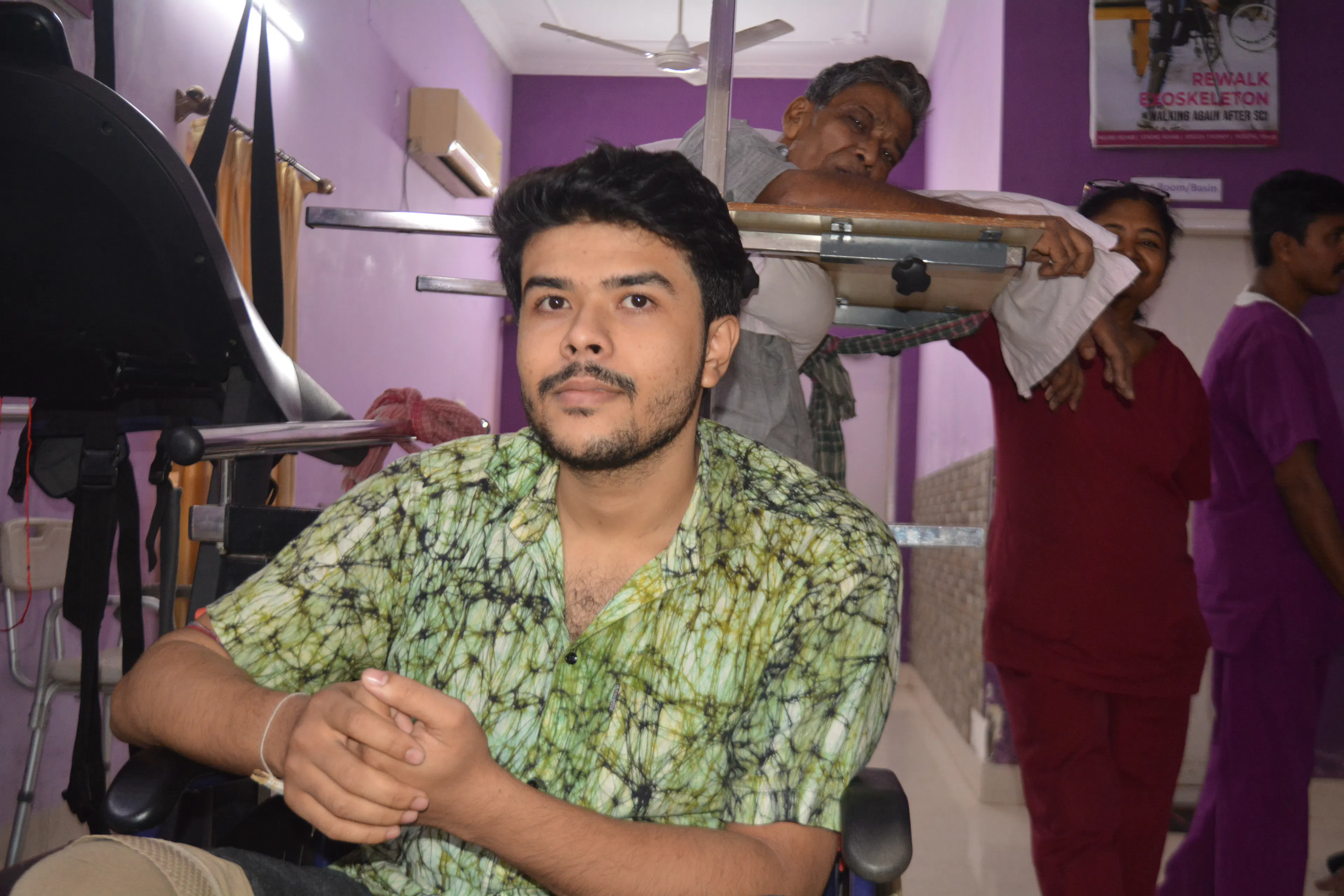
Money is a barrier today. In the future, Government of India policies, the Ministry of Social Justice and Empowerment, and insurance companies will cover disability and rehabilitation services.
This will reduce unmet rehabilitation needs and ease the financial burden for families.
Rehabilitation will not just be physical it will integrate mental health services and counseling. Support services like caregiver training, vocational rehabilitation, and peer groups will empower patients and families.
This approach will ensure comprehensive services for people with disabilities and their families.
Two groups will shape the future:
This ensures that rehabilitation outcomes improve across age groups.
Rehabilitation methods will expand beyond traditional physiotherapy. Animal-assisted therapy, yoga, music, and art will be integrated into care for better rehabilitation outcomes.
The covid-19 pandemic showed the value of digital care. Tele-rehabilitation will expand, enabling rehabilitation services at the community level and even inside homes.
This will especially benefit low- and middle-income countries and rural India, where access to rehabilitation services remains difficult.
When these changes happen:
The future is not just a dream, it is already starting. Rehabana – Neuro Rehabilitation Centre in Kolkata is an example.
We are delivering rehabilitative care that aligns with tomorrow’s vision:
We integrate rehabilitation methods with innovation to ensure better rehabilitation outcomes for all.
The future of rehabilitation in India is filled with hope. Yes, issues and challenges remain awareness gaps, shortage of rehabilitation professionals, financial barriers, and rural access.
But with expansion of rehabilitation, more rehabilitation centres, stronger policy from the Government of India, and integration of rehabilitation into primary health care, change is coming.
Because survival is not enough. Every person deserves the chance to live with dignity, independence, and joy.
At Rehabana, we say: “Neuro Rehab means Rehabana.” And we are proud to be part of building this future today.
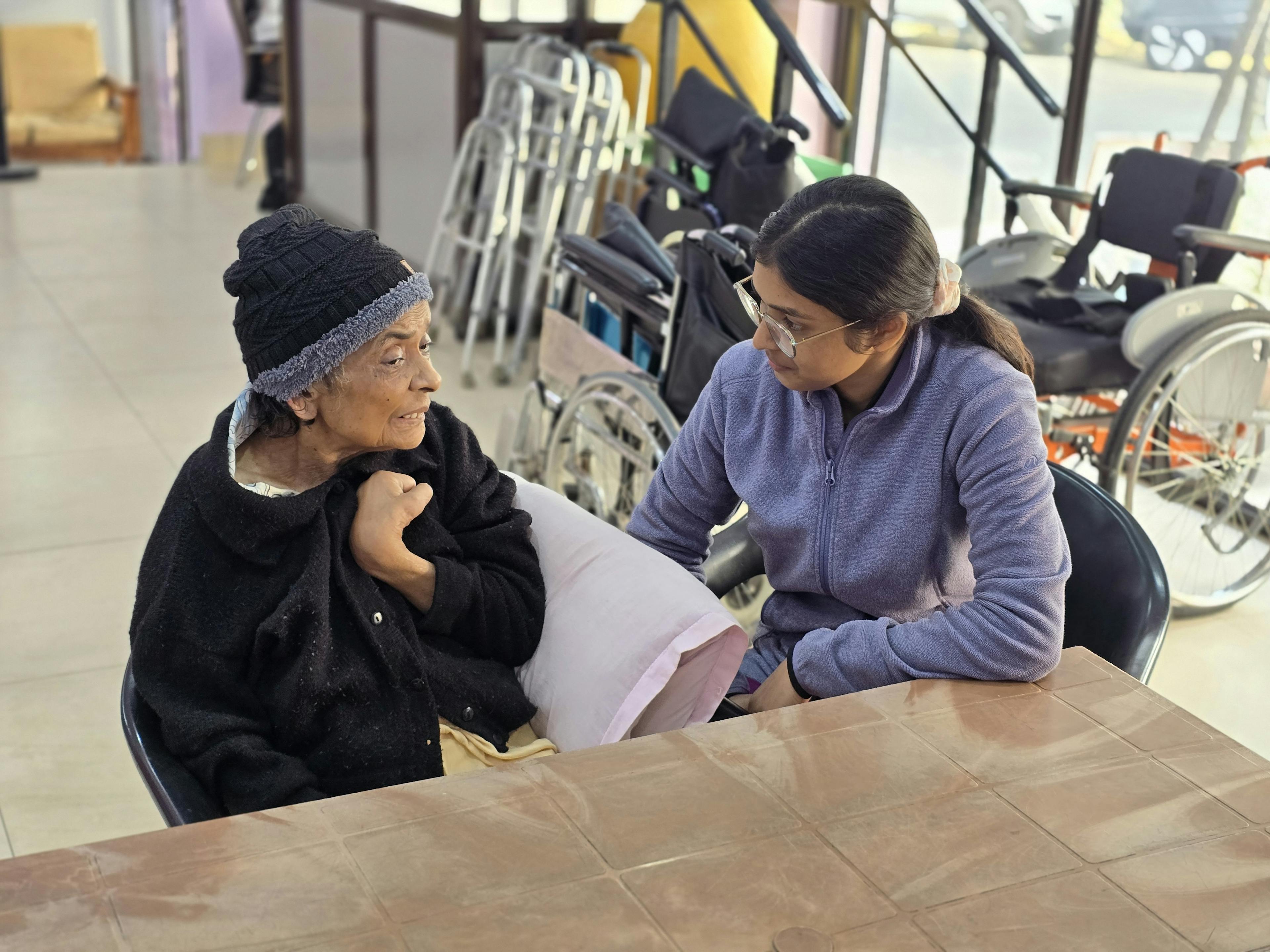
Recovery is changing in India. At Rehabana, we bring tomorrow’s rehabilitation to families today with doctors, technology, and a caring team. Don’t wait for the future. Begin now.
Knowledge That Guides Recovery
Get expert neuro rehabilitation tips from the doctors at Rehabana, Kolkata — simple guidance on stroke recovery, spinal cord injury rehab, Parkinson’s care, and enhancing quality of life after neurological conditions.
Occupational Therapy for Traumatic Brain Injuries Helps Recovery. Discover how occupational therapy helps traumatic brain injury recovery.
Read More
How Speech Therapy Helps Patients with Parkinson’s Disease: Learn how speech therapy can help with slur, speech and swallowing difficulties.
Read More
Speech therapy and language therapy improve communication skills. Speech-language pathologists can help with speech and language, and swallowing.
Read More