Occupational Therapy for Traumatic Brain Injuries Helps Recovery
Occupational Therapy for Traumatic Brain Injuries Helps Recovery. Discover how occupational therapy helps traumatic brain injury recovery.
Read MoreIn India, millions survive strokes, accidents, or illnesses, but many never get the right rehabilitation services. Let’s talk about the everyday struggles that stop patients from living fully again.
Picture this for a moment.
A 56-year-old father suffers a stroke. In the hospital, doctors rush to save him. Medicines, injections, emergency care, the family sits in fear, waiting. After days of treatment, the doctor finally says, “He’s stable now. You can take him home soon.”
The family is overjoyed. He is alive. But when they bring him home, reality sets in.
He cannot move his right hand. He struggles to form words. His wife helps him eat. His son supports him to sit up. Suddenly, the man who was independent yesterday needs help for even the smallest things.
The hospital treatment saved his life. But now comes the harder question: “How do we get his life back?”
That’s where rehabilitation care should come in. Rehabilitation interventions could help him stand again, speak again, live independently again. But in India, too often, this step is skipped. Families either don’t know about rehabilitation centres, can’t access them, or cannot afford them. Patients stay at home, waiting, dependent, slowly losing confidence and hope.
This is the painful reality of the challenges of disability and rehabilitation in India. Let’s explore them not in medical terms, but in the real ways families and patients feel them every single day.
India is a country of over a billion people. With so many people, illnesses and injuries are common, such as stroke, spinal cord injuries, road accidents, neurological disorders, cancer, old age conditions, and even intellectual disability.
According to the World Health Organization (WHO), 2.4 billion people worldwide could benefit from rehabilitation. If we look at India alone, the number is huge, tens of millions of people who need rehabilitation support after hospital treatment.
But here’s the truth: most families don’t realize, treatment is only the first step.
In India, rehabilitation in health systems is not yet seen as a necessity. But for patients and families, it is nothing less than life-changing. And yet, many issues and challenges keep people away from it.
Recommended: What Is Rehabilitation
Now let’s look at the barriers one by one through the eyes of patients and families.
This is the biggest challenge. Most people don’t even know what rehabilitation is.
Families think, “The hospital treatment is done. Now we just have to wait and hope.” They don’t realize that active rehab can speed recovery and bring back independence.
For example, a stroke rehabilitation survivor may leave the hospital still unable to walk. Without physiotherapy and speech therapy, they remain dependent for years. Awareness is missing not only among families, but sometimes even among doctors who don’t always guide patients toward rehabilitation centers.
Even when families know about rehab, they often delay it.
They say, “Let’s give it time. Maybe he will recover naturally.” But every week lost makes recovery harder. Muscles get stiff, depression sets in, hope fades.
Early rehabilitation interventions are like planting seeds at the right season. If you miss the time, the growth is slow. In India, many patients miss this critical early window simply because no one told them otherwise.
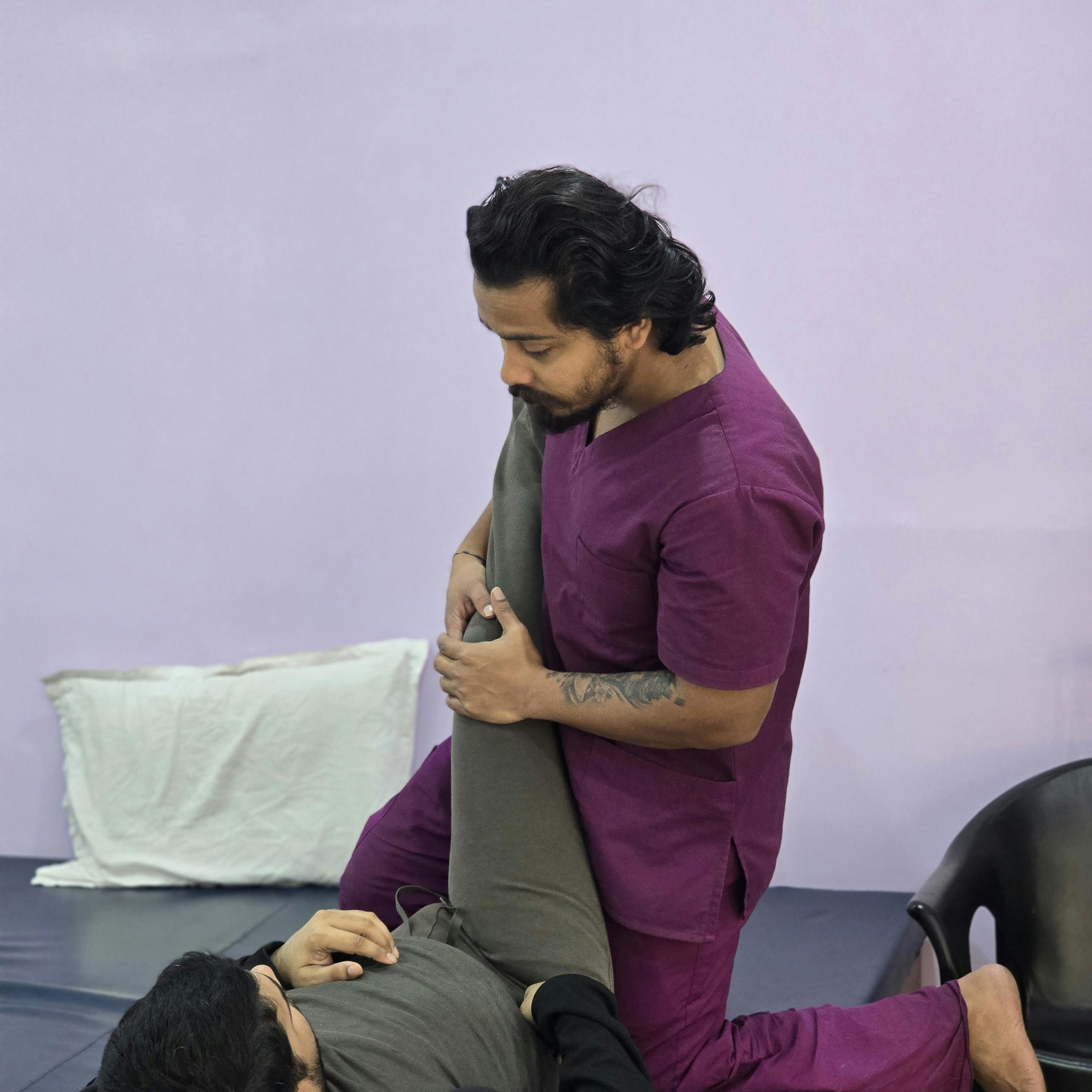
Know more: Rehabilitation vs. Therapy: What’s the Difference & Why It Matters
There are many myths around rehabilitation in India. Families often believe:
The truth? Rehabilitation is much more than physiotherapy. It includes occupational therapy, speech therapy, counseling, assistive devices, and family support. And no, it doesn’t always promise a full cure but it promises the best possible recovery for every individual.
This is another huge barrier.
Most big hospitals in metros may have small rehab units, but dedicated rehabilitation centres in kolkata are very few in India. Eastern India especially has almost none.
In smaller towns and villages, the situation is worse. Families may have to travel hours, or even give up entirely.
Think about it: how many families can travel every day for weeks, with an elderly patient in a wheelchair? Limited availability of rehabilitation services in India means many patients never even get a chance.
In many hospitals, rehab is tied to in-patient care. This makes it expensive. For middle-class or low- and middle-income families, continuing rehab in a hospital setting is almost impossible.
Many families start therapy but stop after a few sessions because they cannot keep paying. Patients then lose progress.
This is why affordable, specialized rehabilitation centers in India like Rehabana are so important. They bring advanced care at reasonable costs.
Rehabilitation is not just one therapist. It needs a team doctors in Physical Medicine & Rehabilitation, physiotherapists, occupational therapists, speech therapists, psychologists, and rehab nurses.
But in India, there is a huge shortage of rehabilitation professionals. Very few medical colleges focus on rehab medicine. Many physiotherapists or therapists are not specially trained for neuro or complex rehab.
This shortage means families who want proper rehab often cannot find the right rehabilitation specialists nearby.
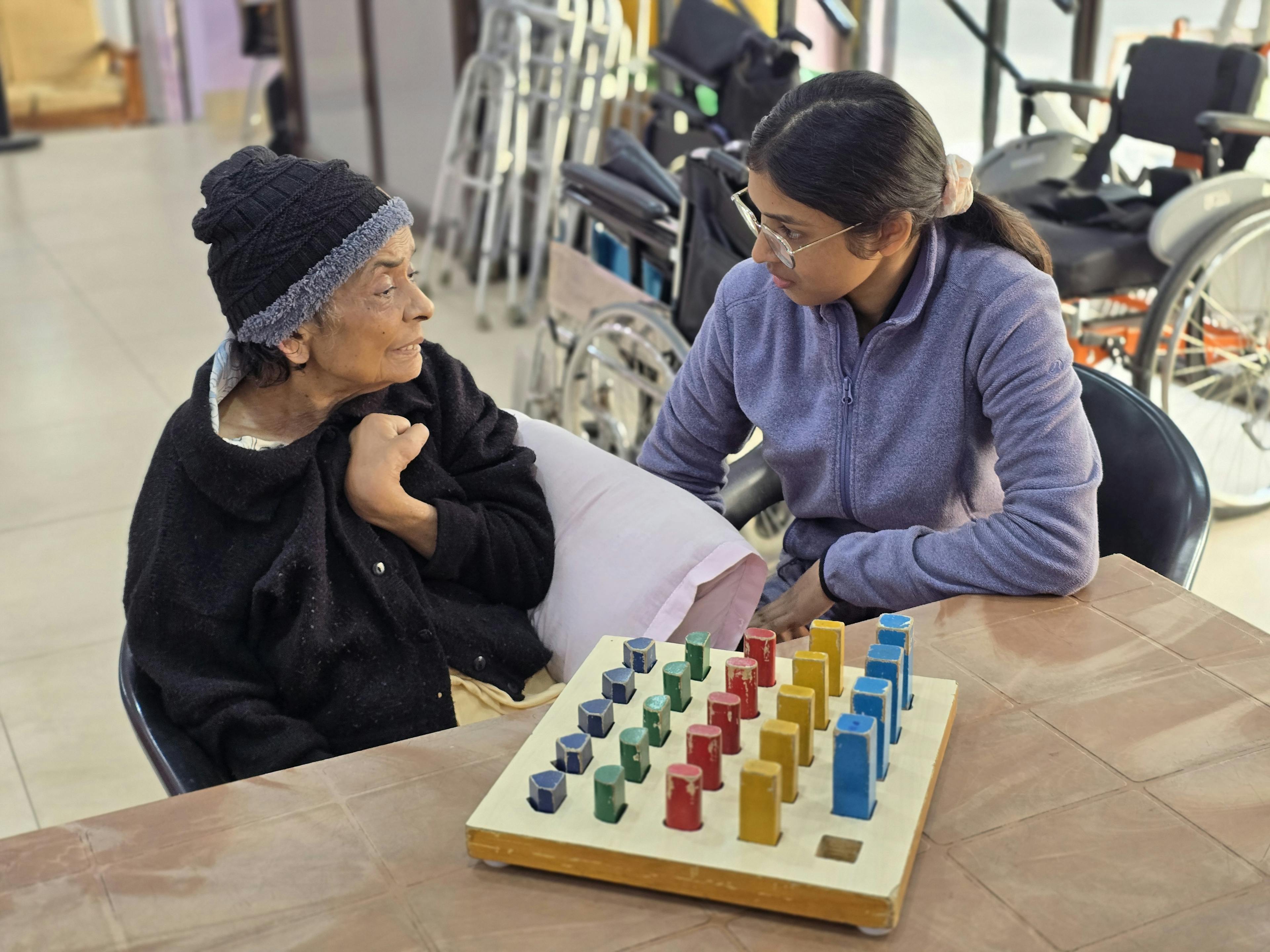
Know more: Role of Rehabilitation Center: Why It Speeds Up Healing More Than You Think
In India, families are everything. Sons, daughters, spouses, even grandchildren step in as caregivers. This love is beautiful - but it is also exhausting.
Rehabilitation training is meant to reduce this burden by teaching safe techniques, supporting caregivers emotionally, and helping families manage better. But without structured rehab, families carry a load too heavy to bear alone.
Disability in individuals still carries stigma in India. Families may avoid taking patients outside, worried about what neighbors will say. Patients themselves may feel ashamed.
A grandmother with Parkinson’s may stop attending weddings because of her tremors. A young man in a wheelchair may feel he has lost his worth.
This emotional burden can be as damaging as the illness itself. Without counseling and community-based rehabilitation, patients lose not only ability but also confidence.
In India, most health insurance pays for hospital stays, operations, or medicines but not rehabilitation care.
That means months of therapy, devices, and counseling all have to be paid by the family. For many, it is just not possible.
Until insurance covers rehabilitation needs, this will remain a major barrier.
Even in cities, many rehab centers are not fully accessible. Stairs, narrow hallways, no lifts patients in wheelchairs find it hard to even enter.
In villages, bad roads and lack of transport make it almost impossible to travel for therapy. Families want rehabilitation in primary health care, but simply cannot reach it.
Rehab services are mostly in big cities. But most of India lives in villages and small towns.
This means the majority of patients never even see a rehabilitation center. Urban families may manage somehow, but rural families are left behind.
Government of India policies focus on saving lives, not always on life after. Emergency care and hospital treatment get priority. Rehabilitation in health systems is rarely given equal importance.
This means fewer funds, fewer training programs, and very few public disability and rehabilitation services. Patients and families are left to manage on their own.
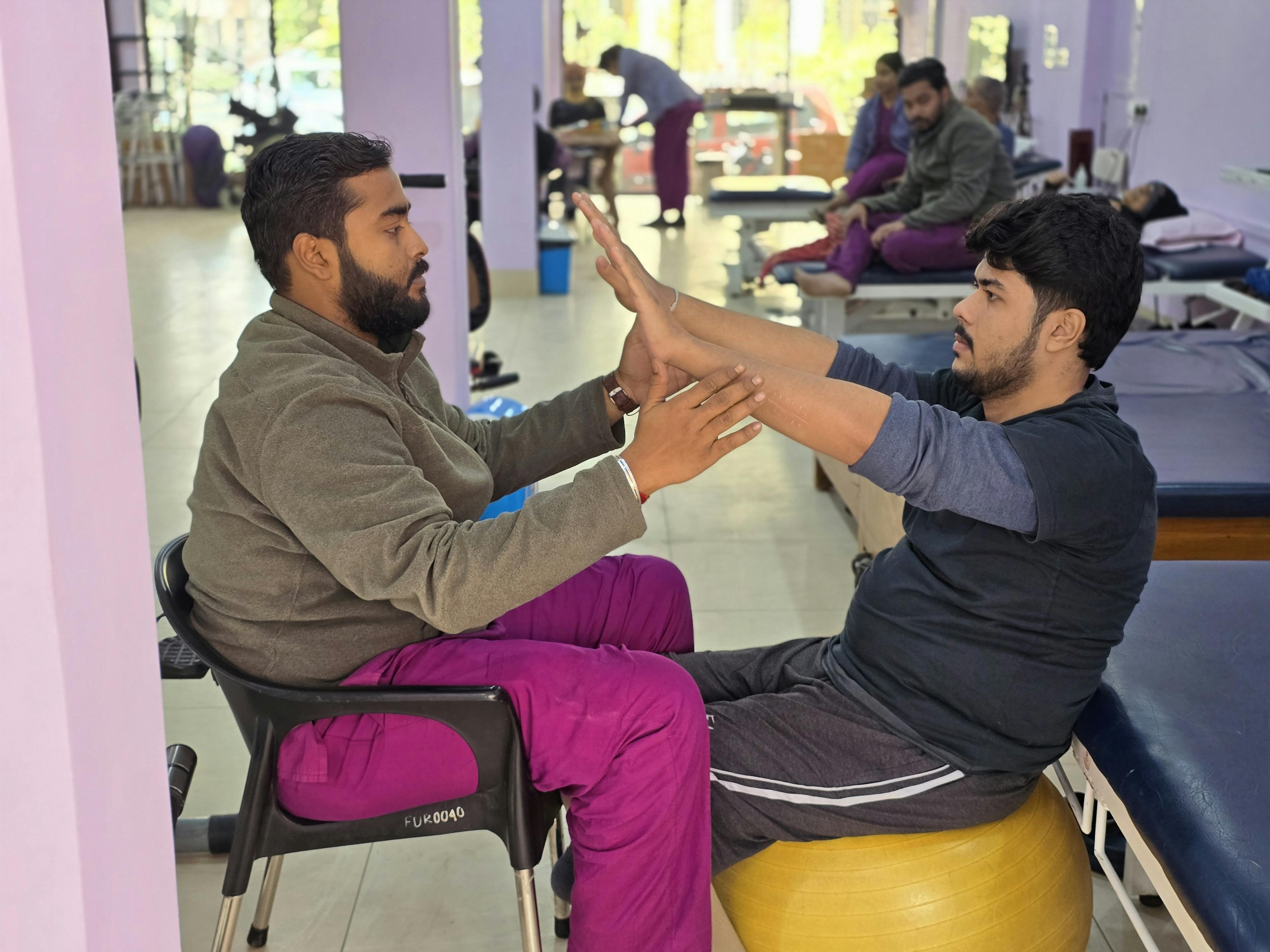
Must read: The Future of Rehabilitation Services in India: What You Must Know
These challenges and barriers are not just “system problems.” They affect real people.
The result? Patients lose not just health, but also confidence, independence, and dignity. Families lose peace of mind.
At Rehabana – Neuro Rehabilitation Centre in Kolkata, we see these struggles every day. And we are working to break these barriers.
Here’s how we help:
We want families to know: you are not alone in this. Rehabilitation services can bring back hope, independence, and smiles.
Recommended: Key Differences Between Physiotherapy and Neurotherapy
The challenges of rehabilitation in India are many, lack of awareness, late starts, myths, shortage of centers and experts, high costs, lack of insurance, stigma, and government neglect.
But while the challenges are real, so is the solution. Dedicated centers like Rehabana are proving that rehabilitation in India can be accessible, affordable, and life-changing.
Because at the end of the day, survival is not enough. Every person deserves the chance to walk again, smile again, speak again, and live with dignity.
✨ At Rehabana, we say: “Neuro Rehab means Rehabana.”
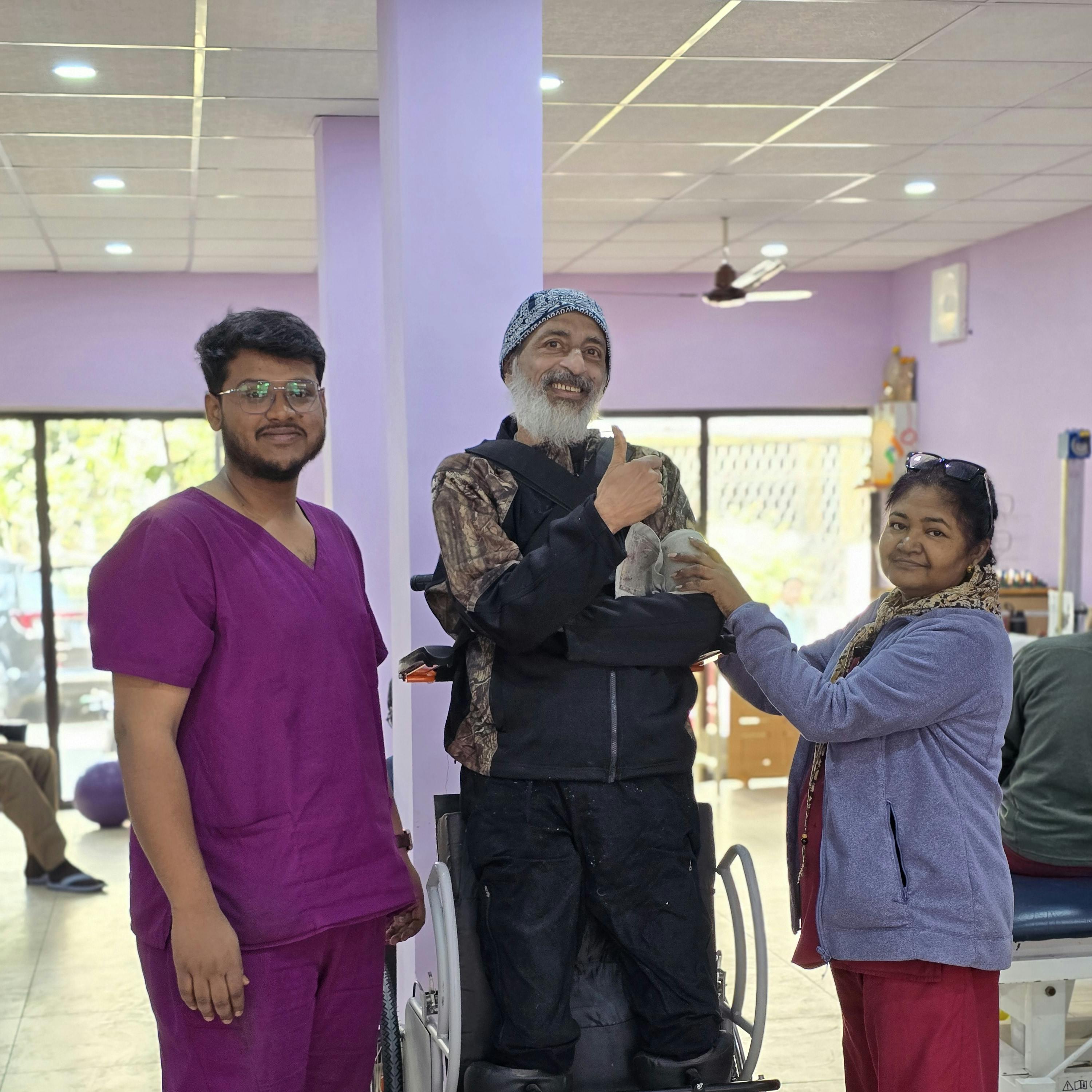
Recovery is possible. At Rehabana, we break down the barriers that keep families away from rehabilitation services in India. With caring doctors, therapists, and advanced technology, we help you move from survival to living fully again.
Knowledge That Guides Recovery
Get expert neuro rehabilitation tips from the doctors at Rehabana, Kolkata — simple guidance on stroke recovery, spinal cord injury rehab, Parkinson’s care, and enhancing quality of life after neurological conditions.
Occupational Therapy for Traumatic Brain Injuries Helps Recovery. Discover how occupational therapy helps traumatic brain injury recovery.
Read More
How Speech Therapy Helps Patients with Parkinson’s Disease: Learn how speech therapy can help with slur, speech and swallowing difficulties.
Read More
Speech therapy and language therapy improve communication skills. Speech-language pathologists can help with speech and language, and swallowing.
Read More